
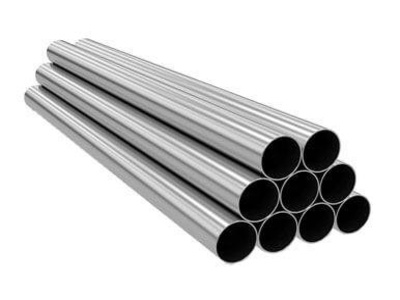
SS 310 Seamless Pipe: Properties, Applications & Benefits
When it comes to industrial piping, SS 310 seamless pipe is a material that engineers and project managers often rely on for its durability, heat resistance, and corrosion protection. Made from high-grade Stainless Steel 310, this pipe variant has carved out a strong presence across a range of high-performance applications.
In this blog post, we’ll explore everything you need to know about Stainless Steel 310 seamless pipes—from their chemical and mechanical properties to their real-world applications and advantages. Whether you are in manufacturing, construction, oil & gas, or power generation, this guide will help you understand why SS 310 seamless pipe might be the perfect choice for your next project.
What is SS 310 Seamless Pipe?
SS 310 Seamless Pipe refers to a type of stainless steel pipe made without any welding or joints. This seamless construction provides greater strength under pressure and improved resistance to corrosion and heat.
The Stainless Steel 310 alloy is a high-chromium (Cr) and high-nickel (Ni) grade, designed primarily for high-temperature applications. Thanks to its excellent oxidation resistance and structural integrity at elevated temperatures, SS 310 pipes are frequently used in furnace components, heat exchangers, kilns, and other demanding industrial systems.
Key Properties of Stainless Steel 310 Seamless Pipe
Understanding the properties of Stainless Steel 310 seamless pipe is essential when evaluating its suitability for a particular application. Let’s break down the core characteristics:
1. Chemical Composition
The strength and resistance of SS 310 seamless pipe come from its rich blend of elements. Here’s a quick look at its typical composition:
| Element | Percentage (%) |
|---|---|
| Chromium (Cr) | 24.0 – 26.0 |
| Nickel (Ni) | 19.0 – 22.0 |
| Carbon (C) | ≤ 0.25 |
| Manganese (Mn) | ≤ 2.00 |
| Silicon (Si) | ≤ 1.50 |
| Phosphorus (P) | ≤ 0.045 |
| Sulfur (S) | ≤ 0.030 |
| Iron (Fe) | Balance |
This high chromium and nickel content gives SS 310 superior resistance to oxidation and sulfidation.
2. Mechanical Properties
| Property | Value |
|---|---|
| Tensile Strength | ≥ 515 MPa |
| Yield Strength | ≥ 205 MPa |
| Elongation | ≥ 40% |
| Hardness (Brinell) | ≤ 217 HB |
These values make Stainless Steel 310 seamless pipes highly durable under extreme conditions—offering both strength and ductility.
3. Temperature Resistance
One of the standout features of SS 310 is its ability to withstand temperatures up to 1150°C in continuous service and up to 1035°C in intermittent service.
This makes SS 310 ideal for heat-intensive applications where other stainless steels might fail.
4. Corrosion Resistance
While SS 310 isn’t the most corrosion-resistant stainless steel (compared to 316, for example), it still performs remarkably well in moderately corrosive environments—especially at high temperatures.
It resists:
- Oxidation
- Sulfidation
- Carbide precipitation
- Thermal cycling
Manufacturing Process of SS 310 Seamless Pipes
Seamless pipes are crafted through a meticulous process to ensure there are no joints or welds. Here’s how Stainless Steel 310 seamless pipes are typically made:
- Billet Preparation – A round solid steel billet is heated to a high temperature.
- Piercing – The billet is pierced to form a hollow tube.
- Elongation – The hollow tube is elongated using rotary or extrusion methods.
- Sizing – The pipe is sized for precise internal and external diameters.
- Heat Treatment – Pipes are annealed to relieve internal stress and improve mechanical properties.
- Pickling & Polishing – The surface is cleaned and finished to meet quality standards.
- Inspection & Testing – Non-destructive tests ensure there are no surface or internal defects.
This seamless process enhances the structural integrity and leak-proof nature of the pipe.
Applications of SS 310 Seamless Pipe
Thanks to its robust mechanical properties and heat resistance, Stainless Steel 310 seamless pipe finds use across numerous industries:
1. Power Generation
In thermal and nuclear plants, SS 310 pipes are used in superheater and reheater tubes, where they are exposed to extreme heat.
2. Chemical Processing
Used in furnace tubes, heat exchangers, and reactors, these pipes handle corrosive chemicals at elevated temperatures.
3. Petrochemical & Refining
SS 310 seamless pipes perform reliably in steam reformers, catalytic cracking units, and flare stacks due to their resistance to oxidation and high-pressure environments.
4. Cement and Steel Plants
SS 310 pipes are used in kilns, preheaters, and burners, where extreme thermal conditions are present.
5. Food and Pharmaceutical Industry
Although not always the first choice in this industry due to its high carbon content, it’s used where thermal sterilization is a priority.
6. Aerospace and Aviation
Used in exhaust systems and turbine casings where temperature stability and structural strength are vital.
Benefits of Using SS 310 Seamless Pipes
1. High Temperature Performance
The ability to withstand up to 1150°C makes SS 310 a top-tier material for heat-intensive applications.
2. Excellent Mechanical Strength
Even under thermal stress, Stainless Steel 310 seamless pipes maintain their shape and integrity, reducing the need for replacements or repairs.
3. Superior Oxidation and Sulfidation Resistance
These pipes can survive harsh oxidizing environments, such as flue gas and furnace atmospheres.
4. Leak-Proof and High-Pressure Tolerance
Because there are no welded joints, seamless pipes are inherently stronger under pressure—making them suitable for fluid and gas transport in sensitive environments.
5. Low Maintenance and Long Life
Thanks to their corrosion resistance and strength, SS 310 pipes offer long operational life with minimal maintenance, lowering the total cost of ownership.
6. Fabrication and Weldability
Despite its strength, SS 310 can still be welded and fabricated easily using standard shop practices, making it versatile for various structural designs.
Comparing SS 310 Seamless Pipe with Other Stainless Steels
Let’s briefly compare SS 310 seamless pipe with other commonly used stainless steel grades:
| Property | SS 304 | SS 316 | SS 310 |
|---|---|---|---|
| Max Temp (°C) | ~870 | ~925 | ~1150 |
| Ni Content | 8–10.5% | 10–14% | 19–22% |
| Cr Content | 18–20% | 16–18% | 24–26% |
| Corrosion Resistance | Good | Excellent | Very Good (at high temp) |
| Cost | Low | Moderate | Higher |
| Ideal Use | General Purpose | Marine & Chem. | High-Heat & Furnaces |
SS 310 is your go-to choice when temperature performance is more important than general corrosion resistance.
How to Choose the Right SS 310 Seamless Pipe
When selecting the right SS 310 pipe for your application, consider the following:
- Temperature range of your application
- Operating pressure
- Corrosive elements in the environment
- Required pipe size and thickness
- Compliance with ASTM standards (ASTM A312 is common for SS seamless pipes)
- Finish and fabrication needs
Consulting with a certified supplier or manufacturer can ensure you get the pipe that meets both your technical and budgetary requirements.
Conclusion
SS 310 seamless pipe is not just a product—it’s a solution for industries facing high heat, corrosive environments, and structural stress. With its superior temperature resistance, mechanical strength, and durability, it’s a top choice for sectors ranging from power generation to chemical processing and beyond.
While Stainless Steel 310 seamless pipes may come at a higher initial cost compared to other grades, their long-term performance, reduced maintenance, and unmatched reliability make them a smart investment.