
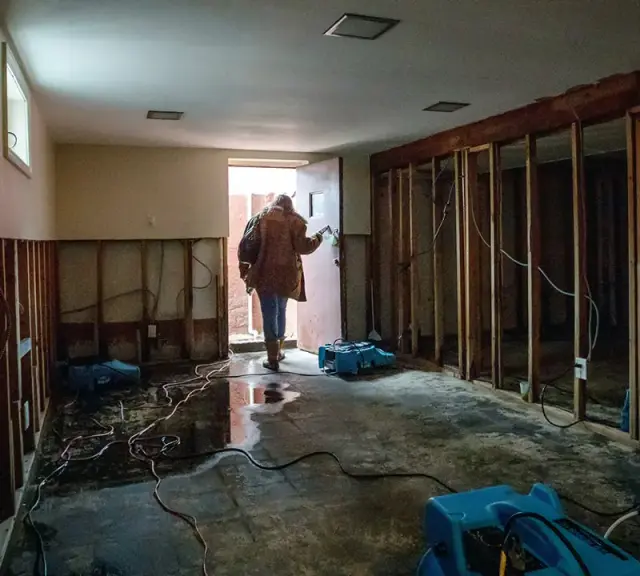
Can You Handle Emergency Flood Cleanup on Your Own?
Floods can occur without warning, leaving homes and businesses in disarray. Whether caused by storms, plumbing failures, or natural disasters, floodwaters can quickly cause structural damage, electrical hazards, and microbial growth. The question many people ask in these situations is: Can you handle emergency flood cleanup on your own?
The short answer is yes, to some extent. However, there are critical factors to consider before diving into the cleanup. Emergency flood cleanup is not only about removing water—it’s also about ensuring safety, restoring property, and preventing further damage. Understanding the severity of the flood, the type of water involved (clean, gray, or black), and the materials affected is essential. In some cases, calling in professionals who offer emergency spill response services may be the safest and most effective option.
How Do You Assess the Damage After a Flood?
The first step in any emergency flood cleanup is assessing the damage. Walk through your property, but only if it is safe to do so. Avoid entering areas with standing water, especially if electrical outlets or wiring may be submerged. Take note of:
- The source and type of floodwater
- The depth and spread of water
- The materials and belongings affected
- Visible signs of structural damage or mold
Document everything with photographs and videos. This not only helps you plan your cleanup process but is also vital for insurance claims. Once you’ve completed this assessment, you can better decide if a DIY approach is sufficient or if emergency spill response services are required.
What Tools and Supplies Are Needed for Effective Flood Cleanup?
If you choose to proceed with emergency flood cleanup on your own, you’ll need proper tools and protective gear. Having the right equipment can make the process safer and more efficient. Some essentials include:
- Wet/dry vacuum or water pumps
- Buckets, mops, and heavy-duty garbage bags
- Industrial fans and dehumidifiers
- Cleaning agents like bleach or mold control solutions
- Protective gloves, boots, goggles, and N95 masks
- Plastic sheeting and tape for sealing off affected areas
Time is of the essence. The longer water sits, the more damage it causes. Aim to begin the cleanup process within 24 to 48 hours of the flood event.
How Do You Safely Remove Water and Dry Out the Area?
The water removal process is the most immediate concern in emergency flood cleanup. Start by extracting as much standing water as possible. Use pumps for large volumes and a wet/dry vacuum for smaller areas. Once the bulk of the water is gone, set up fans and dehumidifiers to speed up drying.
Drying out the area thoroughly can take several days. Keep doors and windows open (weather permitting) to improve ventilation. Monitor humidity levels, especially in basements or enclosed spaces. Lingering moisture can lead to mold growth within 48 hours, posing health risks.
How Can You Prevent Mold and Mildew Growth?
One of the biggest threats during emergency flood cleanup is mold. Even after visible water is removed, moisture remains in walls, flooring, and furniture. Mold spores thrive in humid environments and can spread quickly.
To prevent mold:
- Remove and discard any porous items (like carpets, insulation, or upholstered furniture) that have been soaked.
- Clean hard surfaces with a mold-killing solution.
- Use a moisture meter to check hidden areas.
- Continue running dehumidifiers until the area is completely dry.
If mold is already present, or if you’re unsure how to deal with it safely, it’s best to call emergency spill response services that specialize in biohazard and mold remediation.
Are There Hidden Dangers in DIY Flood Cleanup?
Handling emergency flood cleanup on your own comes with risks. Some of the hidden dangers include:
- Contaminated Water: Floodwater often contains bacteria, sewage, and chemicals.
- Electrical Hazards: Water and electricity are a deadly mix. Turn off power at the main breaker before entering flooded areas.
- Structural Damage: Weakened floors, walls, and ceilings can collapse without warning.
- Airborne Contaminants: Mold spores and chemical fumes can harm your respiratory health.
Without the proper knowledge and gear, these hazards can turn a DIY cleanup into a health and safety nightmare. Professional emergency spill response services are trained to handle such situations with appropriate safety protocols and equipment.
When Should You Call Professional Emergency Spill Response Services?
While minor floods from a broken appliance or a small plumbing leak might be manageable on your own, major flooding incidents require expert intervention. You should call in emergency spill response services if:
- The water damage covers a large area or multiple rooms.
- The water contains sewage or other contaminants.
- Mold has already developed or is suspected.
- Structural integrity is compromised.
- You need help navigating insurance claims and documentation.
Professionals not only bring in high-powered equipment but also ensure comprehensive disinfection and restoration. Their experience helps prevent long-term damage and health hazards that might not be immediately visible.
What Is the Role of Insurance in Emergency Flood Cleanup?
Before throwing away damaged items or tearing out drywall, review your homeowner’s insurance policy. Some policies cover flood damage, especially if it’s caused by a burst pipe or malfunctioning appliance. Natural flood damage may require separate flood insurance.
Contact your insurance provider as soon as possible. Provide them with documentation (photos, videos, inventory lists) and inquire about their process for claim submission. Insurance companies often prefer certified cleanup services, so if you’re considering emergency spill response services, make sure they are licensed and recognized by your insurer.
Can Emergency Flood Cleanup Be Prevented in the Future?
While natural disasters can’t be stopped, you can take steps to reduce the risk and impact of future flooding. Some effective prevention tips include:
- Install a sump pump and backup battery in your basement.
- Seal foundation cracks and waterproof your walls.
- Elevate electrical systems and appliances above flood level.
- Ensure proper grading and drainage around your property.
- Regularly inspect plumbing and roofing systems for wear and leaks.
By taking preventive measures, you not only protect your property but also minimize the likelihood of needing emergency flood cleanup or emergency spill response services in the future.
Conclusion: Is DIY Flood Cleanup Worth the Risk?
Handling emergency flood cleanup on your own is possible, but it depends on the situation’s severity and your ability to manage the risks involved. Small-scale water issues may be resolved with the right tools, knowledge, and quick action. However, if the situation is complex, hazardous, or widespread, calling in emergency spill response services ensures thorough, safe, and effective cleanup.
Your safety and health should always come first. Don’t hesitate to seek professional help when needed. Whether you tackle the job yourself or hire experts, responding quickly and decisively is key to minimizing damage and protecting your property.