
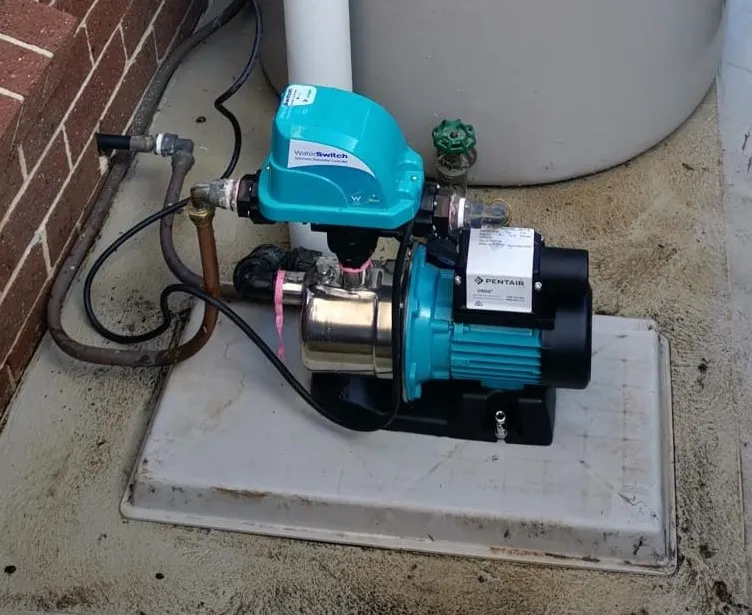
Best Tips for Improving the Efficiency of Your Water Tank Pumps System
Water tank pump systems are the workhorses behind many essential applications, providing water for domestic, agricultural, and industrial uses. Whether you rely on a pump system for your home, farm, or business, ensuring its efficiency is crucial for saving energy, reducing operational costs, and extending the system’s lifespan. In this article, we’ll explore ten valuable tips to help you enhance the efficiency of your water tank pump system.
Best Tips for Improving Water Tank Pumps System
Regular Maintenance
Regular maintenance is the backbone of an efficient water tank pumps system. Establish a routine maintenance schedule that includes periodic inspections, cleaning, lubrication, and the prompt replacement of worn or damaged components. Schedule routine checks for signs of wear, inspect for leaks, and lubricate moving parts as needed. Addressing minor issues promptly can prevent more significant problems down the line. This proactive approach can prevent major issues and extend the system’s lifespan.
Proper Sizing
Choosing the correct pump size is fundamental to system efficiency. An undersized pump may struggle to meet demand, while an oversized pump consumes more energy than necessary. Consult with a professional to determine the appropriate pump size based on factors such as flow rate, head pressure, and the size of your distribution system.
Control System Optimization
Implement a control system that regulates the pump’s operation in response to demand. Variable frequency drives (VFDs) and pressure switches can maintain consistent pressure levels in your distribution system, reducing the frequency of pump starts and stops. This not only conserves energy but also extends the pump’s lifespan.
Install Check Valves
Incorporating check valves in your pump system prevents water from flowing back into the well or water source when the pump is not in operation. This not only maintains prime but also reduces the workload on the pump, enhancing overall efficiency.
Install Filtration Systems
Filtration systems can prevent debris and contaminants from entering the pump, reducing the risk of damage and maintaining optimal pump performance. Regularly clean or replace filters to ensure continuous efficiency.
Energy-Efficient Pump Technology
Consider upgrading to energy-efficient pump technology, such as high-efficiency motors and pumps. These systems are designed to consume less energy while delivering the same performance. When replacing your pump or motor, opt for models with high Energy Efficiency Ratings (EER) or those certified with the ENERGY STAR label.
Pressure Tank Adjustment
Pressure tanks are integral to water tank pump system. Properly adjusting the pressure tank prevents rapid cycling of the pump and minimizes power consumption. Consult the manufacturer’s recommendations for the correct pressure settings to ensure optimal system efficiency.
Prevent Air Leaks
Air leaks in the suction line can disrupt the pump’s performance and reduce overall efficiency. Regularly inspect all connections, valves, and seals for air leaks and address them promptly. Air in the system can lead to cavitation, a damaging phenomenon that can decrease efficiency and cause long-term damage to the pump.
Optimize Pumping Schedule
If your water demand varies throughout the day, consider optimizing your pumping schedule. Programmable controllers can help schedule pump operation during periods of lower electricity costs or when water demand is at its peak, ensuring efficient water supply without unnecessary energy consumption.
Water Quality Testing
The quality of the water source significantly impacts the efficiency and longevity of your pump system. Corrosive or abrasive water can lead to premature wear and tear on pump components. Regularly test and monitor the quality of your water source. If the water is not suitable for the pump system, consider implementing pre-filtration or water treatment methods.
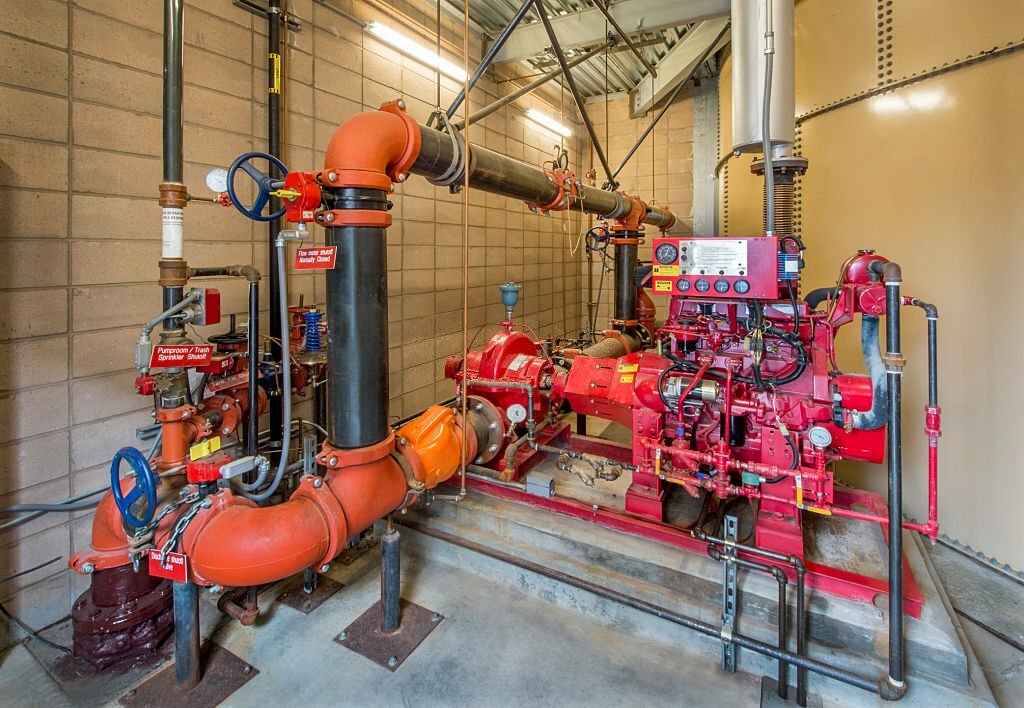
Control System Calibration
An optimally calibrated control system is essential to ensure that your pump operates efficiently. Consult with a professional to ensure that your control system is correctly calibrated to match your system’s specific requirements.
Rainwater Harvesting and Dual Systems
Consider integrating rainwater harvesting systems with your pump setup. This allows for the use of alternative water sources, reducing reliance on the pump and decreasing energy consumption.
Use Energy-Efficient Motors: If you’re replacing or upgrading your pump system, consider investing in energy-efficient motors. These motors are designed to operate more efficiently, resulting in lower energy consumption and reduced operating costs over the long term.
In-Person Consultations
Invite a professional to your location for an in-person consultation and assessment of your pump system. This provides an opportunity to discuss your unique needs and expectations and allows the professional to evaluate the work involved. Pay attention to their communication skills and professionalism during this meeting.
Get Everything in Writing
A reputable pump service provider should provide a written contract that includes all the details discussed, such as the scope of work, timeline, payment schedule, and any other agreements. Review the contract carefully before signing and keep a copy for your records.