
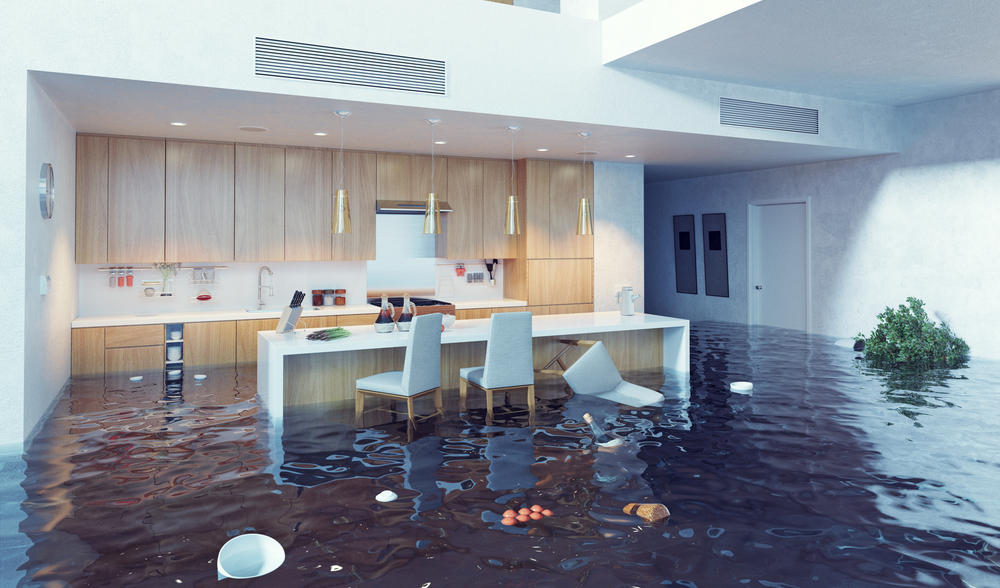
Do You Need a Professional for Water Mitigation, or Can You DIY?
Water mitigation refers to the process of reducing or preventing the amount of water damage after a flood, leak, or burst pipe. It’s the crucial first step before any restoration work begins. Without immediate action, water can seep into walls, flooring, and furniture, leading to structural damage, mold growth, and expensive repairs.
Floods, whether caused by storms, appliance failures, or plumbing issues, can wreak havoc on a property. That’s why water mitigation isn’t just about drying surfaces—it involves assessing the situation, extracting water, dehumidifying, sanitizing, and preparing the area for restoration.
But here’s the common dilemma: Should you attempt to do it yourself or hire flood damage companies for professional help?
Can You Handle Water Mitigation on Your Own?
The short answer is—sometimes. If the water damage is minimal, such as a small leak or a minor appliance overflow on a tile floor, DIY water mitigation may be sufficient. You can use shop vacuums, fans, and dehumidifiers to remove water and moisture. Quick action within the first 24-48 hours is crucial to prevent further damage and mold growth.
DIY water mitigation may work if:
- The water is clean (Category 1) and not contaminated
- The affected area is small and easy to access
- You have the right tools such as wet vacs and dehumidifiers
- There’s no structural damage involved
- You can dry the area completely within 48 hours
However, don’t let the simplicity of a situation fool you. What appears manageable on the surface may hide water trapped behind walls, under floorboards, or inside cabinets.
When Should You Call a Professional for Water Mitigation?
Professionals are trained and equipped to handle the complexities of water damage—especially in moderate to severe cases. If you’re dealing with a large-scale flood, water from unsanitary sources (Category 2 or 3), or suspect mold growth, hiring flood damage companies is a smart and safe decision.
Signs you need professional water mitigation:
- Water has been standing for more than 24 hours
- The flood involved sewage, river water, or other contaminants
- Mold is visible or you notice a musty smell
- Structural components like drywall, insulation, or subfloors are saturated
- You don’t have access to industrial-grade drying equipment
Professionals assess the severity of the damage using moisture meters and thermal imaging. They also follow industry protocols, such as those set by the IICRC (Institute of Inspection Cleaning and Restoration Certification), to ensure the job is done thoroughly and safely.
How Do Flood Damage Companies Perform Water Mitigation?
When you hire a flood damage company, you’re not just getting people with buckets and mops. These companies have highly trained technicians who follow a multi-step process:
- Inspection & Damage Assessment: They determine the water category, affected materials, and potential hazards.
- Water Extraction: High-powered vacuums and pumps remove standing water quickly.
- Drying & Dehumidification: Air movers and commercial dehumidifiers are used to eliminate lingering moisture.
- Sanitization & Odor Removal: The area is disinfected to kill bacteria and remove foul smells.
- Monitoring & Final Checks: Moisture levels are continually monitored until everything is dry.
Some flood damage companies also offer reconstruction services if structural repairs are needed.
What Are the Risks of DIY Water Mitigation?
Taking the DIY route might seem cost-effective at first, but it could lead to bigger problems down the line. If you fail to remove moisture completely, your property may suffer from:
- Mold growth: Mold can begin developing in as little as 24 hours.
- Warped floors and ceilings: Trapped water warps wooden structures.
- Electrical hazards: Water may reach wiring and pose serious safety risks.
- Reduced property value: Improperly repaired water damage can show up during inspections when selling your home.
In the end, trying to save money with DIY might result in higher costs if you have to bring in professionals later to fix lingering damage.
How Much Do Water Mitigation Services Cost?
Costs vary depending on the extent of the damage, the type of water involved, and the area affected. On average, water mitigation services can range from $1,000 to $4,000, but severe cases involving contaminated water or mold remediation may go much higher.
Keep in mind that many home insurance policies cover water mitigation if the damage is sudden and accidental. It’s worth consulting your insurer before making any decisions.
Are There Benefits to Hiring Professionals Even for Small Jobs?
Absolutely. Even in cases where DIY seems possible, hiring professionals ensures peace of mind. Many flood damage companies offer free inspections and can tell you whether professional service is needed or not.
Advantages of hiring a professional:
- Fast response and 24/7 emergency service
- Insurance claim assistance
- Industry-standard drying and documentation
- Long-term protection from mold and structural issues
By involving experts, you reduce the risk of incomplete drying and hidden damage that may surface months later.
Should You Always Trust Online Tutorials for DIY?
Many homeowners rely on YouTube or blog posts for DIY instructions. While these resources can be helpful, they often lack the depth needed for complex scenarios. Not every water damage situation is the same. Copying a tutorial without understanding your specific circumstances can be risky.
Instead of depending solely on online advice, consult local flood damage companies for a professional opinion. Many offer consultations at no cost or obligation.
How to Choose the Right Water Mitigation Service?
If you decide to hire professionals, choosing the right company is crucial. Here’s what to look for:
- Certified technicians: Ensure they’re IICRC certified.
- 24/7 availability: Floods can happen anytime—response time matters.
- Experience: Choose companies with a solid reputation and years in business.
- Transparency: Look for clear estimates and communication throughout the process.
- Positive reviews: Check online ratings and customer feedback.
Reliable companies will walk you through the process, explain the costs, and help file insurance claims if applicable.
Final Verdict: DIY or Professional?
In summary, DIY water mitigation may be appropriate for small, clean water spills with minimal risk. But in most cases—especially involving extensive damage or contaminated water—hiring flood damage companies is the safer, more effective choice.
The stakes are high when it comes to water intrusion. Acting quickly and wisely can save your property, your health, and your wallet. If you’re ever in doubt, don’t hesitate to bring in the professionals. Water damage is one area where cutting corners can cost you far more in the end.