
From Lab to Field: The Evolution of VO2 Max Testing
VO2 max, the maximum rate at which the body can consume oxygen during intense exercise, has long been a gold standard for measuring cardiovascular fitness and athletic performance. Historically confined to laboratory settings, VO2 max testing has undergone significant evolution, transitioning from complex clinical protocols to more accessible and portable methods used in the field. This shift has opened new avenues for athletes, coaches, and fitness enthusiasts to monitor performance and optimize training strategies.
The Origins of VO2 Max Testing
The concept of VO2 max has roots in the early 20th century, with pioneering work by scientists like Archibald Hill, who linked oxygen consumption to athletic performance. In the 1920s, Hill introduced the idea of a maximal oxygen uptake limit, laying the foundation for VO2 max testing. His research demonstrated that endurance performance was directly related to an individual’s ability to uptake and utilize oxygen during prolonged exercise.
Classic Laboratory VO2 Max Testing
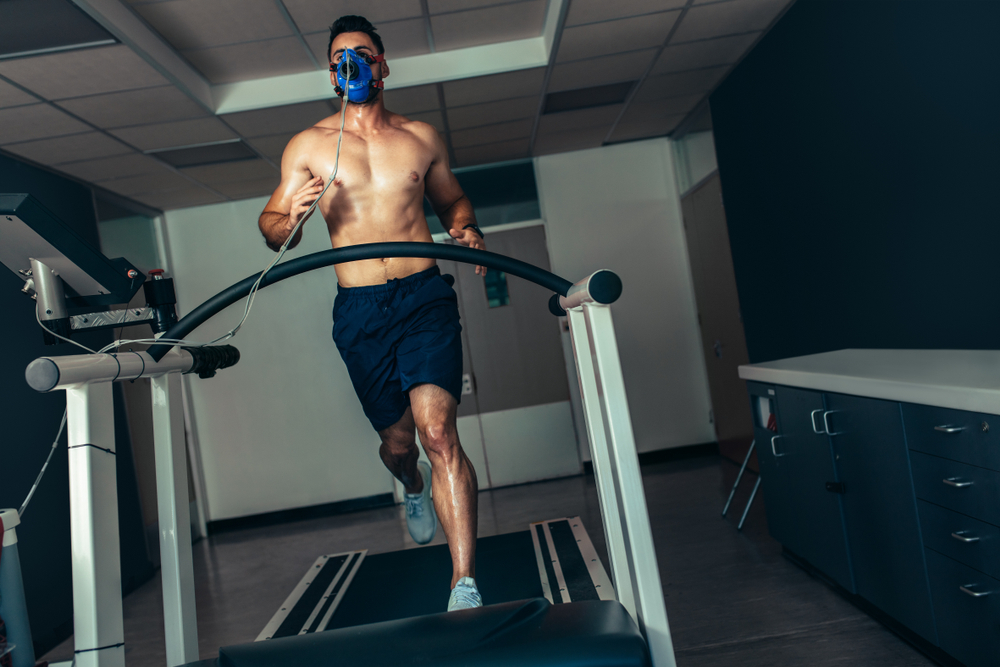
Traditional VO2 max testing in the lab is an exhaustive process that requires precise equipment and trained technicians. During a typical test, participants wear a face mask connected to a metabolic analyzer that measures the volume of oxygen inhaled and carbon dioxide exhaled. As the intensity of exercise increases, the participant reaches a point where their oxygen consumption plateaus, even though exercise intensity continues to rise. This point is their VO2 max.
Bringing VO2 Max to the Field
As sports science advanced, so did the need for VO2 max testing to move beyond the lab. Athletes required more frequent and accessible testing methods to optimize their training, and coaches needed tools to track performance in real-world conditions.
Submaximal Field Tests
One of the earliest adaptations of VO2 max testing for the field came in the form of submaximal tests. These tests estimate VO2 max by measuring heart rate response to a controlled, moderate-intensity exercise, such as running or cycling. Examples include the Cooper Test, where participants run as far as possible in 12 minutes, or the Astrand-Ryhming Cycle Ergometer Test, which estimates VO2 max based on heart rate during a six-minute cycling session.
Wearable Technology and Portable Devices
The real breakthrough in VO2 max testing came with the advent of wearable technology and portable metabolic analyzers. Devices such as GPS watches and heart rate monitors now offer estimates of VO2 max based on performance data gathered during regular training sessions. Brands like Garmin and Polar have integrated algorithms into their devices that calculate VO2 max using data from speed, distance, and heart rate during runs or cycles.
Machine Learning and Predictive Models
Machine learning and AI-driven predictive models have also played a role in the evolution of VO2 max testing. Algorithms now use large data sets from previous athletes’ performance to make more accurate VO2 max predictions based on submaximal effort or even routine workouts. By analyzing performance metrics over time, AI can make individualized predictions about an athlete’s VO2 max, allowing for continuous monitoring without the need for intense, exhaustive tests.These technologies enable long-term tracking of VO2 max trends, helping athletes fine-tune their training to improve endurance, speed, and overall performance. The integration of these models with wearable devices makes VO2 max monitoring more precise, even during casual training sessions.
The Future of VO2 Max Testing
The future of VO2 max testing looks promising, with advancements in technology poised to make the testing process even more seamless and accurate. Some potential future developments include.These platforms will likely combine VO2 max data with other performance metrics to provide more personalized training recommendations.Further miniaturization of metabolic analyzers and advancements in biosensing technologies could enable real-time monitoring of VO2 max during training or competition, offering instant feedback and adjustments.
Conclusion
VO2 max testing has come a long way from its origins in the lab to its modern-day applications in the field. With advancements in wearable technology, portable analyzers, and machine learning, athletes can now monitor their VO2 max with greater ease and frequency, allowing for more informed and targeted training strategies.