https://fuelpumpexpress.com

Can MicroLogix 1400 Send Email Alerts via Embedded Logic?

Introduction

The Allen-Bradley MicroLogix 1400 (1766-L32BWA) PLC is a versatile controller designed for small to medium automation systems. Known for its affordability and flexibility, it comes with a built-in Ethernet port that supports advanced communication functions beyond standard control. As industries move toward smarter automation, real-time alerts and remote notifications have become essential for minimizing downtime and improving responsiveness. Email alerts, in particular, allow maintenance teams and operators to receive immediate updates about system events directly on their devices. This blog explores how the MicroLogix 1400 enables email alerts through its embedded logic and why this feature is valuable for industrial operations.

Email Capability Overview

The MicroLogix 1400’s embedded Ethernet port is one of its most powerful features, enabling connectivity through multiple functions such as a built-in web server, Modbus TCP/IP, and SMTP support. Among these, the integrated email client capability stands out because it transforms the PLC into an automated communication tool. By configuring SMTP settings, the controller can send outbound emails to designated recipients whenever predefined events occur. In other words, the PLC itself acts like a small email server, pushing out updates without requiring extra hardware. Email alerts are especially useful in scenarios such as critical alarms, unexpected faults, or scheduled system updates. This functionality gives operators visibility into processes even when they are away from the plant floor.

How Email Alerts Work

The process of sending email alerts in the MicroLogix 1400 is straightforward but highly effective. At the heart of the system is ladder logic programming, which defines the conditions that should trigger an alert. When a specific event occurs—such as a temperature exceeding safe limits, a motor overload, or a system downtime—the logic executes instructions that call the built-in SMTP client. The SMTP client then generates an outbound email message that includes details like the recipient’s address, subject line, and a custom message body. Once sent, these messages arrive in the operator’s inbox just like any standard email. This seamless flow from ladder logic trigger to email delivery ensures that alarms or warnings are communicated instantly, helping teams take timely corrective actions.

Setup and Programming Steps

Configuring the MicroLogix 1400 for email alerts requires a combination of hardware setup and programming. First, enable the SMTP client within the Ethernet configuration settings of the PLC. Next, enter the network and server details, including the SMTP server address, port number, and authentication parameters if required by the email provider. Once the communication layer is in place, add recipient email addresses that should receive notifications. In RSLogix 500 software, develop ladder logic routines that monitor process conditions, and use MSG instructions or system commands to generate email messages when an alarm is detected. After programming, it’s essential to test the setup thoroughly to confirm emails are being delivered accurately. For additional reliability, secure connections such as VPNs or firewalls should be used to safeguard communication and prevent unauthorized access. With these steps, the MicroLogix 1400 can reliably deliver real-time email alerts.

Practical Benefits of Email Alerts

Adding email alerts to the MicroLogix 1400 brings several advantages to automation systems. The most obvious benefit is faster maintenance response times, as teams can act on alarms as soon as they are notified. This capability also helps reduce downtime and related costs, since issues can be addressed before they escalate into major failures. Another advantage is improved safety and compliance, as email logs create an automatic record of alarms and system activity that can be reviewed later. Finally, accessibility is a major strength—alerts can be received anywhere with internet access, whether on a desktop computer, tablet, or smartphone. Together, these benefits make email alerts an effective way to extend the value of the MicroLogix 1400.

Limitations and Considerations

While email alerts are a valuable tool, there are some limitations to consider. One of the biggest concerns is security—if the SMTP client is exposed without protection, it could create risks of unauthorized access. Additionally, the formatting and customization of the email messages are somewhat limited compared to advanced HMI or SCADA systems. The feature also depends heavily on a stable network connection; if the Ethernet link fails, emails may not be sent. Finally, for more complex data reporting or integration, larger controllers such as CompactLogix or ControlLogix may be a better fit. Keeping these considerations in mind ensures you set realistic expectations when using this feature.

Conclusion

In summary, the Allen-Bradley MicroLogix 1400 is fully capable of sending email alerts via its embedded logic, thanks to its built-in Ethernet port and SMTP support. This feature adds significant value to small and mid-sized automation systems by enabling real-time notifications for alarms and process events. The benefits are clear: quicker response times, reduced downtime, and greater operational visibility. However, proper configuration, secure practices, and thorough testing are critical to achieving reliable results. For plants looking to enhance remote monitoring without heavy investment in additional hardware, the MicroLogix 1400 provides a practical and cost-effective solution.

FAQs

Q1. Does MicroLogix 1400 have built-in email functionality?

Yes, it has an SMTP client via its Ethernet port, allowing it to send email alerts.

Q2. What do I need to set up email alerts on MicroLogix 1400?

You’ll need RSLogix 500 software, SMTP server details, recipient addresses, and basic ladder logic programming.

Q3. Are MicroLogix 1400 email alerts secure?

They work reliably, but you should use firewalls, VPNs, and restricted networks to avoid unauthorized access.

Reach Us

Asteam Techno Solutions Pvt. Ltd. is AVEVA (Formerly Wonderware) Registered System Integrator providing sale/service/support and executing the HMI/SCADA, Historian/MES Solutions to End-user & OEM/System Integrator community for their diverse needs.

Leading single-source supplier & solution provider for industrial automation hardware and software solutions needed.

Preferred wholesale supplier, stockiest & exporter of Programmable Logic Controller (PLC), Drive (VFD), HMI, Panel PC, SCADA, Profibus Connector, Cable, and many more automation products.

We serve OEM, Pharmaceuticals, Chemicals, Petrochemicals, oil & gas, Panel manufacturers along with our process equipment. Also, we deliver services to Food processing OEM, electrical industries & mechanical industries with our special purpose process components.


What Krikya’s New Platform Tells Us About the Future of Localized Betting

In South Asia’s fast-moving digital betting scene, one shift is becoming impossible to ignore: localization. No longer a fringe feature or afterthought, it has become the core battleground for user attention. Platforms that once relied on global design templates and one-size-fits-all logic are now racing to build interfaces that speak to regional habits, languages, and cultural rhythms.

Recent platform updates by Krikya are a timely case in point. From payment flows to personalized layouts, the changes point to a wider trend in digital gaming, where the edge lies not in scale, but in specificity. This piece explores what that shift looks like on the ground, and what it signals for the future of online betting in a region defined by diversity and digital momentum.

Localized UX: Language, Layout, and Familiarity

What makes a platform feel local is rarely just language, it’s the entire experience, from the way menus are structured to the familiarity of symbols and the comfort of known payment icons. Krikya’s platform update reveals how careful UX design can transform a generic interface into something that resonates with regional users. The shift toward hyper-local design isn’t just cosmetic. It builds trust, reduces friction, and helps users feel like the platform understands them, not just technically, but culturally.

Language That Meets the User Where They Are

Krikya’s interface now supports several South Asian languages, not only in static translations but in dynamic content like offers, notifications, and help centers. This multilingual support goes beyond accessibility, it builds rapport. In regions where English isn’t the default for mobile use, this linguistic adaptability helps platforms reduce bounce rates and deepen engagement. It’s not just about understanding the words. It’s about being addressed in a voice that feels familiar.

Design That Reflects Local Visual Norms

Beyond language, trust is also visual. Krikya’s color palettes, icons, and layout choices echo familiar regional patterns. Buttons are bold, navigation is simplified, and elements like match cards or betting slips mimic popular apps users already trust. By aligning with these existing design norms, the platform lowers the learning curve. In contrast, many global-first platforms feel sterile or alien, often losing users in the first few clicks.

Games That Match Regional Tastes

Localization also extends to content. Regional favorites, like cricket leagues, Teen Patti, or Andar Bahar, are given prominence, not buried in generic casino menus. They prioritize culturally resonant games, integrating them into home screens and rotating promos based on local sports calendars. It’s a subtle but strategic move. Where some platforms push global games with little context, Krikya leans into familiarity and it pays off in user retention.

Payments That Speak the Local Language

In the digital betting world, trust doesn’t begin with gameplay, it often starts with the first deposit. For South Asian users, that trust is built when platforms reflect the financial tools they already use daily. Their recent push toward deeper integration with local payment systems is more than a convenience upgrade. It’s a strategic move to eliminate friction, build confidence, and align with the real-world financial habits of its user base.

Wallets and Mobile Money at the Core

Rather than relying solely on cards or international gateways, they embeded mobile-first payment options directly into its platform. Popular systems like bKash, Nagad, and Rocket in Bangladesh or UPI in India are not just accepted; they’re streamlined. By anchoring the user journey in familiar financial ecosystems, platforms create fewer drop-off points and lower the barrier for first-time users to start engaging with real money.

Banking on Familiarity and Speed

Direct integrations with regional banks, including fast withdrawal options and localized prompts, reinforce a sense of reliability. Krikya’s platform allows users to complete transactions in their native currency, with interface prompts reflecting local banking terminology. This avoids confusion and aligns closely with users’ offline financial behavior. Compared to platforms with only global e-wallets or USD-based flows, this local approach feels accessible and trustworthy.

Smooth Onboarding as a Competitive Edge

The platform’s onboarding is structured to minimize hesitation. Users can register, deposit, and start betting within minutes, often without needing a credit card. Auto-filled forms, mobile OTP verification, and simple wallet linkages create a seamless funnel from curiosity to conversion. In a crowded market, reducing the effort it takes to get started is key. Platforms that understand this and design accordingly, gain a serious retention advantage.

Content That Connects: Cricket, Casino, and Culture

One of the clearest signs of localization done right is how a platform aligns its content with cultural rhythms. On Krikya online casino Bangladesh, this is evident in the prominence of cricket tournaments like the Asia Cup, IPL, or BPL, where betting markets are timed to match regional interest. But the platform doesn’t stop at sport. Traditional card games like Teen Patti and Andar Bahar are given equal visibility, alongside event-specific promos that reference local holidays, national team matches, or even regional superstition trends.

This strategy goes beyond entertainment. By curating content that mirrors users’ offline passions and daily conversations, Krikya creates a sense of cultural relevance. It positions the platform not as a foreign tool, but as a natural extension of local digital life. From bonus structures to leaderboard timings, everything feels like it’s designed with the user’s world in mind. And in a space where engagement depends on familiarity, that kind of relevance is a serious competitive edge.

The Tech Behind Local

Localization isn’t just a front-end feature, it’s powered by deep backend architecture designed for flexibility and speed. Platforms like Krikya rely on content delivery networks (CDNs), dynamic caching, and modular design systems to ensure that users across South Asia get fast-loading, regionally tailored experiences. This infrastructure allows the platform to serve different layouts, languages, or promotions based on where the user is connecting from, without compromising performance. It also enables high uptime during peak betting periods, like major cricket tournaments.

Beyond speed, the tech stack plays a key role in personalization. By analyzing user data such as device type, language preference, and transaction history, Krikya segments audiences in real time. This allows the platform to auto-switch languages, prioritize region-specific games, and serve curated home screens, so a user in Dhaka sees something different from someone in Colombo. These micro-adjustments create a seamless sense of relevance and familiarity, making the platform feel instinctively local from the first click.

The Strategic Edge: Why Local Wins

In South Asia’s betting ecosystem, platforms that localize aren’t just adapting, they’re outperforming. Here’s why:

  • User Trust – Interfaces in local languages, familiar payment options, and culturally relevant content create a sense of legitimacy and ease, encouraging users to engage with confidence.
  • Regulatory Agility – Localized platforms are more flexible in responding to shifting legal frameworks across jurisdictions, helping them stay operational even in uncertain environments.
  • Higher Retention Rates – Tailored onboarding flows and region-specific features reduce friction, making users more likely to stick around after their first visit.
  • Better Marketing Performance – Promotions tied to regional events, holidays, or sports calendars consistently outperform generic campaigns in both reach and conversion.
  • Stronger Brand Loyalty – By mirroring local digital behaviors and cultural nuances, platforms like Krikya build deeper, longer-lasting relationships with their user base.

Risks and Limits of Over-Localization

While localization offers clear advantages, it’s not without risks. Over-customizing for narrow user groups can lead to a fragmented user experience that feels inconsistent or confusing across markets. There’s also the danger of over-promising cultural relevance, using local symbols or language without genuine understanding can feel performative or alienating. Perhaps most critically, personalization should never blur into manipulation. When platforms push engagement through hyper-targeted content or behavioral nudges, they must be transparent about how user data is used and where the ethical line is drawn.

The Future of Betting is Personal, Regional, and Fast

Krikya’s recent platform evolution underscores a broader truth in South Asia’s digital betting space: localization is no longer a differentiator, it’s the default expectation. Platforms that embrace regional language, culture, and behavior are not just ticking UX boxes, they’re aligning with how users actually live and interact online. From payment flows to game curation, the most successful products are those that feel native from the first tap.

As the market matures, the next phase of iGaming will likely be shaped by deeper cultural fluency and smarter, more ethical personalization. Speed will remain important, but so will relevance and trust. Platforms that can deliver real-time, region-specific experiences without overstepping user autonomy will stand out. For developers, regulators, and media alike, the challenge ahead lies in balancing innovation with accountability, ensuring that as betting gets faster and more local, it also gets more transparent and user-centered.

How Humanized AI is Empowering Content Writers

The rise of artificial intelligence in content creation has been nothing short of revolutionary. AI tools are now capable of generating articles, blog posts, social media updates, and more within seconds. However, one of the biggest challenges with AI-generated content is its lack of human touch—it often feels mechanical and lacks the depth and nuance of human writing. This is where humanized AI comes into play, bridging the gap between automation and creativity.

By implementing humanize AI techniques, content writers can leverage AI-generated content while ensuring that it remains engaging, relatable, and reader-friendly. In this article, we will explore how humanized AI is transforming content writing and why it is essential for writers in the digital age.

The Role of Humanized AI in Content Creation

1. Enhancing Readability and Engagement

AI-generated content can sometimes be too formal, technical, or repetitive. Humanized AI writing ensures that the text feels more natural and engaging by:

  • Adjusting tone and style to match the target audience.
  • Incorporating conversational elements to make content feel more personal.
  • Using storytelling techniques to create compelling narratives.

By humanizing AI content, writers can produce high-quality articles that maintain reader interest and encourage engagement.

2. Improving AI-Generated Content for SEO

Search engines prioritize content that is informative, engaging, and valuable to readers. AI-generated text often lacks the necessary optimization strategies required for effective search engine rankings. With AI to humanize content, writers can:

  • Enhance keyword integration without making it seem forced.
  • Improve sentence structure and flow for better readability.
  • Add emotional appeal to make content more relatable.

Using humanize text AI techniques, writers can optimize AI-generated content for both readers and search engines.

3. Personalizing Content for Different Audiences

AI is excellent at generating content quickly, but it often lacks the ability to tailor messages to specific audiences. Humanized AI helps content writers fine-tune AI-generated text to:

  • Match the tone and style preferred by their audience.
  • Address cultural differences and linguistic nuances.
  • Ensure content is emotionally engaging and thought-provoking.

By incorporating AI to humanize content, writers can create customized messaging that resonates with diverse readers.

How to Humanize AI-Generated Content

1. Refining AI Content with a Personal Touch

To humanize AI text, content writers should:

  • Edit AI-generated content to remove robotic phrasing.
  • Add personal anecdotes or experiences to create a human connection.
  • Inject humor, emotion, or storytelling elements where appropriate.

These strategies help make AI-generated content feel more authentic and engaging.

2. Utilizing AI as a Writing Assistant

Rather than replacing writers, AI serves as a powerful assistant that streamlines the writing process. Content creators can use AI to humanize their work by:

  • Generating rough drafts and refining them for human appeal.
  • Automating repetitive tasks such as research and data analysis.
  • Enhancing productivity while maintaining creative control over content.

With the right approach, AI can help writers produce content more efficiently while maintaining quality and originality.

3. Ensuring Ethical AI Usage in Writing

Ethical concerns arise when AI-generated content is published without proper human oversight. To maintain credibility and authenticity, content writers should:

  • Disclose AI usage when appropriate.
  • Avoid excessive automation that removes human creativity.
  • Use AI detector humanize tools to refine AI-generated text for a more natural feel.

These best practices ensure that AI remains a supportive tool rather than a replacement for human creativity.

The Future of Humanized AI in Content Writing

As AI technology advances, humanized AI will play an even greater role in content creation. Future developments may include:

  • AI models with enhanced emotional intelligence that understand tone and sentiment better.
  • More advanced AI humanizer tools that seamlessly refine AI-generated content.
  • Stronger AI-human collaboration, where AI assists writers without compromising creativity and originality.

The integration of humanized AI writing in content creation is set to redefine how writers work, making AI a valuable ally rather than a competitor.

Conclusion

Humanized AI is transforming content writing by making AI-generated content more engaging, natural, and reader-friendly. Writers who embrace humanized AI content can enhance their efficiency, improve content quality, and maintain authenticity in their work. By leveraging AI as a tool for creativity and refinement, content writers can stay ahead in the ever-evolving digital landscape.


How to Hire the Right SEO Agency in 5 Easy Steps

Finding the right SEO agency can be a daunting task. With countless options available, how can you be sure you’re making the right choice for your business? SEO is crucial for online success, and the agency you choose will play a big role in your company’s growth. If you’re looking for the best SEO company in UK, it’s essential to follow a clear process to ensure you make the right decision.

Step 1: Identify Your SEO Goals

Before searching for an SEO agency, take a moment to define what you want to achieve with SEO. SEO is a broad field that can target different goals such as increasing website traffic, improving search rankings, or enhancing brand awareness. The right agency will tailor their approach to suit your specific goals.

For example, are you aiming for more local traffic, or are you focusing on national or international markets? Do you need to boost conversions, or are you more concerned with gaining visibility in search results? If you clearly define your objectives, you’ll be able to communicate them effectively to potential agencies, making it easier to choose the one that aligns with your business goals.

Think about key performance indicators (KPIs) such as:

  • Organic traffic growth
  • Keyword rankings
  • Conversion rates
  • Bounce rates
  • Return on investment (ROI)

By having a clear vision of what you want to achieve, you’ll set yourself up for a successful partnership with your chosen SEO agency.

Step 2: Research Potential Agencies

Once you’ve defined your SEO goals, the next step is to research potential agencies. The market is filled with SEO firms, so you’ll need to narrow down your options based on experience, industry expertise, and their approach to SEO. Here’s how you can approach your research:

  1. Check Their Reputation: Start by reviewing the agency’s online presence. Look for case studies, testimonials, and reviews from previous clients. An agency with a strong reputation and a portfolio of successful projects is likely to deliver results.
  2. Evaluate Their Website and SEO: Take a close look at the agency’s own website. Is it optimized for search engines? Does it appear on the first page of search results for relevant keywords? If they can’t rank their own site, they may not be able to help you rank yours.
  3. Ask for Case Studies or Results: A credible SEO agency should be willing to show you examples of their past work. Case studies can give you an idea of how they approach SEO, the strategies they use, and the results they achieve. Look for agencies that have worked with businesses in your industry or with similar goals.
  4. Assess Their Communication: Pay attention to how they communicate. Do they respond quickly? Are they transparent about their strategies? Good communication is key to a successful partnership. You need an agency that listens to your needs and keeps you updated regularly.

Step 3: Evaluate Their Expertise and Strategy

Not all SEO agencies are created equal. Some may specialize in certain aspects of SEO, such as technical SEO, content marketing, or tech-support, while others may offer a more comprehensive approach. When choosing an agency, ensure they have the skills and knowledge needed to meet your goals.

Here’s what you should evaluate:

  • Technical SEO Skills: Make sure the agency has strong technical SEO knowledge. This includes optimizing your website’s structure, improving page load speed, and ensuring mobile-friendliness. A well-optimized website is essential for better search rankings.
  • On-Page SEO: Check if the agency focuses on optimizing the content and structure of your website. This includes keyword optimization, meta tags, internal linking, and creating high-quality content that satisfies both users and search engines.
  • Off-Page SEO: Look for agencies that implement off-page strategies, such as link building. Building high-quality backlinks can significantly improve your website’s authority and rankings.
  • Content Marketing: Content plays a critical role in SEO. Make sure the agency knows how to create high-quality, engaging content that drives traffic and ranks well in search engines.
  • Local SEO Expertise: If your business targets local customers, look for an agency that has experience with local SEO. They should know how to optimize your Google My Business listing and generate local citations that help improve your visibility in local search results.
  • Data-Driven Strategy: The best SEO agencies base their strategies on data and analytics. They should regularly monitor key metrics, run tests, and adjust tactics as needed. SEO is a long-term investment, and a good agency will make informed decisions based on measurable data.

Step 4: Ask About Reporting and Transparency

Transparency is crucial when hiring an SEO agency. You need to know what’s going on with your SEO efforts and how your investment is paying off. A reliable agency should offer detailed reporting and be open about their strategies.

Here are some questions to ask during your evaluation:

  • What metrics do you track? An agency should be tracking a variety of important metrics such as traffic growth, keyword rankings, bounce rates, and conversions. The more data they can provide, the better.
  • How often do you report results? Regular reporting helps you stay informed on progress. Ask if the agency provides weekly or monthly reports, and make sure the reports are easy to understand.
  • How do you measure success? Ask the agency how they define success. Are they focused on increasing organic traffic, improving conversion rates, or boosting rankings for specific keywords? Their answer should align with your goals.
  • What is your communication process like? Will you be able to reach out to the agency whenever you have questions or concerns? Good communication and ongoing transparency are essential for a positive working relationship.

Step 5: Consider the Cost and Value

While budget should never be the only factor in your decision, it’s important to consider the cost of hiring an SEO agency. SEO is an ongoing process, so you should expect to invest time and money into your SEO strategy. The key is to find an agency that offers good value for your investment.

Here are some things to keep in mind when evaluating cost:

  • Understand the Pricing Model: SEO agencies typically offer different pricing models, such as hourly rates, project-based fees, or monthly retainers. Be sure you understand how the agency charges and what services are included in the price.
  • Look for Transparency in Pricing: Avoid agencies that offer “cheap” SEO services without clearly explaining what’s included. In many cases, low-cost services can result in subpar results. A reputable agency will give you a clear breakdown of costs and expected deliverables.
  • Consider Long-Term Value: SEO is a long-term investment. You may not see immediate results, but over time, good SEO will provide substantial returns. Consider the long-term value an agency can offer rather than just focusing on the upfront cost.
  • Compare Multiple Agencies: Don’t settle for the first SEO agency you find. Get quotes from multiple agencies and compare their services, expertise, and pricing. This will help you make an informed decision and ensure you’re getting the best value.

Conclusion

Hiring the right SEO agency is a crucial step in growing your online presence and driving more traffic to your website. By following these five simple steps—defining your goals, researching potential agencies, evaluating expertise, assessing reporting practices, and considering cost—you can confidently select an agency that will meet your needs and help you achieve your SEO objectives.

Remember, SEO is not a one-size-fits-all service. Different businesses have different needs, so take the time to find an agency that can craft a tailored strategy that aligns with your goals. With the right agency by your side, your business can start seeing significant improvements in search rankings, traffic, and conversions.

Penetration Testing: Enhancing Cybersecurity for Technology Companies in Australia

For top information technology companies in Australia, safeguarding systems from potential breaches is essential. One of the most effective ways to achieve this is through penetration testing. This article delves into the importance of penetration testing and how technology companies in Australia can use it to bolster their security frameworks.

What is Penetration Testing?

Penetration testing, often known as ethical hacking, is a controlled cybersecurity assessment performed by experts to evaluate an organization’s security infrastructure. It exposes vulnerabilities in networks, applications, and systems before malicious actors can exploit them. For technology companies Australia, penetration testing is a vital strategy to maintain strong defenses against cyber threats.

Why Penetration Testing is Crucial for Australian Tech Firms

As cyberattacks become more complex, technology companies in Australia must take a proactive stance on cybersecurity. Below are key reasons why penetration testing is indispensable:

1. Identifying System Vulnerabilities

By simulating real-world cyberattacks, penetration testing uncovers security flaws within IT systems. Addressing these weaknesses in time helps prevent unauthorized access and data breaches.

2. Ensuring Compliance with Regulations

Australian businesses must adhere to data protection laws, such as the Australian Privacy Act and the Notifiable Data Breaches (NDB) scheme. Routine penetration testing helps organizations comply with these regulations, mitigating legal risks.

3. Safeguarding Business Reputation

A single security breach can damage a company’s credibility. Top information technology companies in Australia must ensure data integrity and maintain client trust. Regular security assessments protect sensitive data and reinforce customer confidence.

4. Minimizing Financial Risks

Cyber incidents can lead to significant financial repercussions, including regulatory fines, legal fees, and revenue loss. Investing in penetration testing reduces these risks by detecting security gaps before they can be exploited.

5. Strengthening Incident Response

Penetration testing serves as a valuable tool for refining an organization’s incident response strategy. By identifying potential threats, IT teams can develop swift and effective countermeasures to minimize damage.

Different Types of Penetration Testing

For technology companies Australia, various forms of penetration testing are available to address distinct security needs:

1. Network Penetration Testing

This assessment identifies weaknesses in internal and external networks, scrutinizing firewalls, routers, and connected devices.

2. Web Application Penetration Testing

Web applications are frequent targets of cybercriminals. Testing helps uncover vulnerabilities such as SQL injection, cross-site scripting (XSS), and authentication flaws.

3. Wireless Security Testing

This method evaluates security weaknesses in Wi-Fi networks, ensuring that wireless communication remains protected from unauthorized access.

4. Social Engineering Assessments

Cybercriminals often exploit human error through phishing and impersonation tactics. Social engineering penetration tests evaluate employee awareness and resilience to such threats.

5. Cloud Security Testing

With businesses increasingly adopting cloud-based solutions, penetration testing ensures the security of cloud infrastructures and services.

How Technology Companies in Australia Can Implement Penetration Testing

1. Partner with a Trusted Cybersecurity Provider

Choosing an experienced cybersecurity firm is essential for conducting thorough penetration testing. Look for specialists with knowledge of technology companies in australia data protection laws and industry best practices.

2. Define Testing Objectives

Organizations should outline specific objectives, such as evaluating the security of web applications, networks, or employee cybersecurity awareness.

3. Conduct Regular Security Assessments

Given the ever-changing nature of cyber threats, penetration testing should be an ongoing process rather than a one-time exercise. Routine testing keeps security protocols updated.

4. Evaluate and Address Security Findings

Post-assessment, security teams must analyze test results and take immediate action to patch vulnerabilities and enhance system resilience.

5. Promote Cybersecurity Awareness Among Employees

Human error remains one of the weakest links in cybersecurity. Educating employees about phishing scams, password security, and safe online practices strengthens organizational security.

Conclusion

As the threat landscape evolves, top information technology companies in Australia must prioritize cybersecurity to protect confidential data and maintain their reputation. Penetration testing is a critical approach to identifying vulnerabilities, ensuring regulatory compliance, and securing business operations. By adopting regular penetration testing, technology companies Australia can reinforce their cybersecurity posture and stay ahead of emerging threats.

Investing in penetration testing today ensures that Australian tech companies are equipped to handle future cybersecurity challenges with confidence.

10 Reasons to Hire Offshore .NET Developers for Your Next Project

In the dynamic world of software development, partnering with an offshore .NET developer has become a popular choice for businesses looking to streamline operations, reduce costs, and access global talent. This approach not only ensures high-quality results but also allows organisations to stay competitive in a fast-paced digital landscape. Whether you’re developing a web application or upgrading legacy systems, offshore developers bring unparalleled expertise and flexibility to your projects.


1. Access to Global Talent Pool

Hiring offshore .NET developers gives you access to a diverse pool of highly skilled professionals worldwide. These developers are proficient in the latest .NET frameworks and tools, ensuring your project benefits from global best practices and cutting-edge expertise.


2. Cost-Effective Solution

Offshore development significantly reduces costs without compromising quality. By leveraging developers from regions with lower labour costs, businesses can allocate resources efficiently while focusing on core operations.


3. Scalability and Flexibility

Offshore .NET teams can be easily scaled up or down depending on your project requirements. Whether you need additional support during peak phases or a lean team for maintenance, offshore developers offer the flexibility to adapt quickly.


4. Faster Time-to-Market

With dedicated offshore .NET developers, your project timelines are optimised. These teams often work in different time zones, enabling round-the-clock development cycles and faster delivery.


5. Focus on Core Business Activities

By outsourcing .NET development, your in-house team can concentrate on strategic initiatives and business growth while the offshore team handles technical aspects. This division of labour ensures higher productivity and focus.


6. Access to Latest Technologies

Offshore .NET developers stay updated with the latest trends, tools, and frameworks. Their expertise ensures your project incorporates advanced technologies, enhancing performance and scalability.


7. Enhanced Quality and Reliability

Offshore teams are experienced in delivering diverse projects and adhere to global quality standards. Their rigorous testing processes and structured workflows ensure robust and reliable software solutions.


8. Reduced Infrastructure Costs

Outsourcing to offshore .NET developers eliminates the need for investing in additional office space, hardware, or software. This reduction in infrastructure costs makes offshore development a cost-efficient choice for businesses of all sizes.


9. Risk Mitigation with Diverse Expertise

Offshore developers often work with clients across various industries, giving them a unique ability to foresee challenges and implement best practices. This diverse expertise helps mitigate risks and ensures smooth project execution.


10. Long-Term Collaboration Opportunities

Building a relationship with an offshore development team can lead to long-term partnerships. These collaborations provide ongoing support for future projects and foster a trusted development ecosystem for your business.


Conclusion

Hiring offshore .NET developers offers businesses a strategic advantage by combining cost efficiency, scalability, and access to global expertise. From faster delivery to enhanced quality, offshore developers can transform your projects and help you stay ahead in the competitive digital landscape. If you’re seeking reliable solutions for your next project, partnering with an offshore .NET developer is a smart investment.


FAQs

1. What is an offshore .NET developer?
An offshore .NET developer is a professional skilled in .NET development who works remotely from a different geographical location, typically offering cost-effective and high-quality services.

2. How do offshore .NET developers ensure project quality?
Offshore developers follow global best practices, adhere to quality standards, and utilise rigorous testing methodologies to deliver reliable and robust software solutions.

3. Are offshore .NET developers suitable for small businesses?
Yes, offshore developers are ideal for small businesses as they provide cost-effective solutions, access to expertise, and flexibility in scaling resources.

4. What tools do offshore .NET developers commonly use?
Offshore .NET developers use tools like Visual Studio, .NET Core, Azure, and various third-party libraries to build and deploy high-performance applications.

5. How can I ensure effective communication with offshore developers?
Effective communication can be maintained through regular meetings, clear documentation, and the use of collaboration tools like Slack, Microsoft Teams, or Zoom.

Top 10 Skills Every Full Stack Developer Should Master in 2024

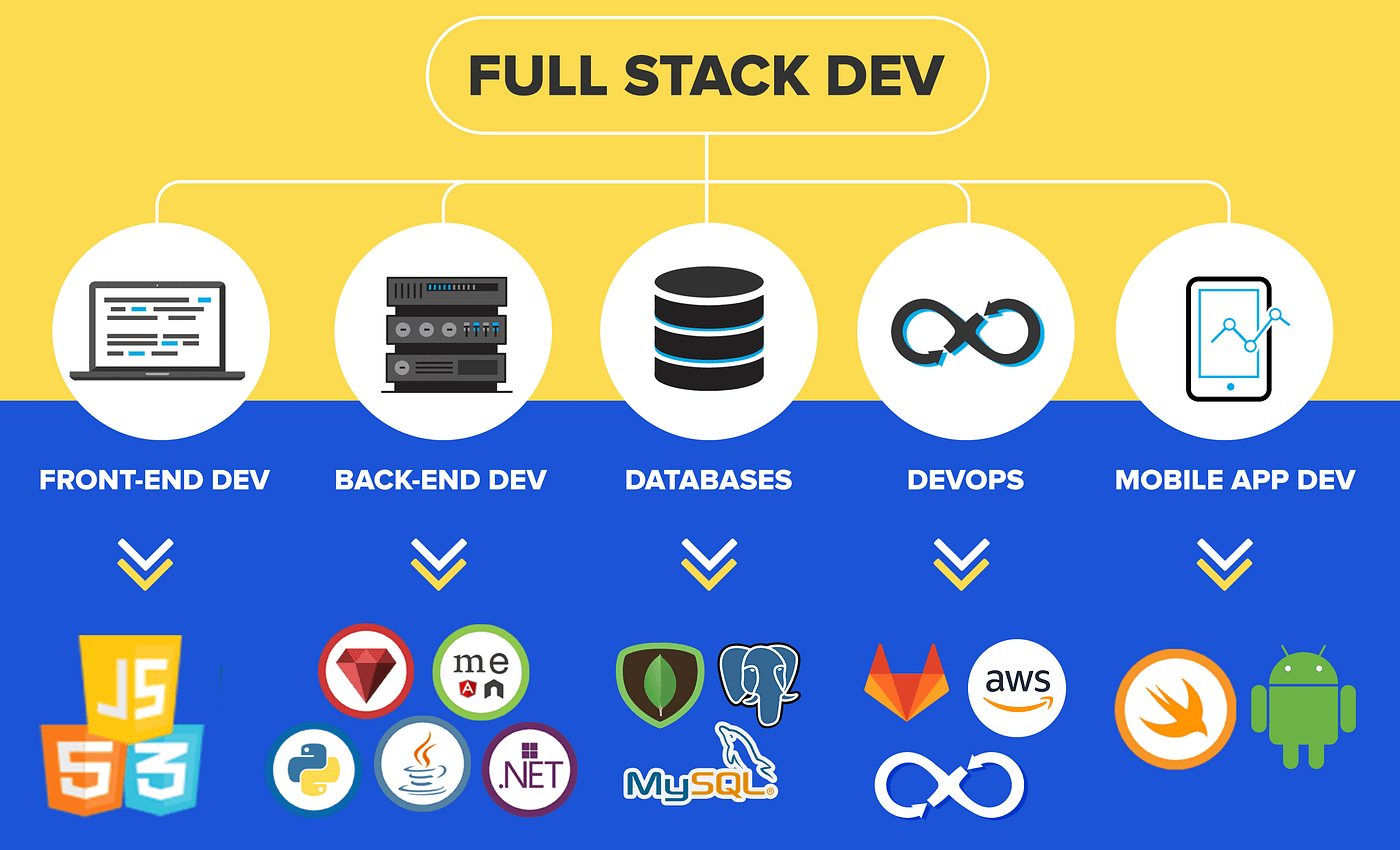
In the ever-evolving world of technology, Full Stack Development has become a highly sought-after skill set. Full Stack Developers are versatile professionals who manage both front-end and back-end development tasks, making them crucial to the success of any software project. As demand grows, businesses increasingly seek Full Stack Development Services to build seamless, efficient applications. In 2024, mastering the right skills will be critical for developers looking to stay ahead. Here are the top 10 skills every Full Stack Developer should master this year.

1. Proficiency in Front-End Technologies

Front-end development is all about creating the part of the website or application that users interact with directly. Mastery of HTML, CSS, and JavaScript is essential for any Full Stack Developer. Understanding frameworks like React, Angular, or Vue.js can also be a significant advantage, allowing developers to build responsive and interactive user interfaces more efficiently.

2. Back-End Programming Languages

A strong understanding of back-end programming languages is crucial for managing the server side of applications. Key languages include Node.js, Python, Java, Ruby, and PHP. Knowing how to build server-side logic, interact with databases, and ensure data flows smoothly between the server and the client is an essential skill for any Full Stack Developer.

3. Database Management and SQL

Handling databases is a core skill for Full Stack Developers. Proficiency in SQL (Structured Query Language) for relational databases like MySQL, PostgreSQL, or MariaDB is a must. Additionally, understanding NoSQL databases like MongoDB or Firebase can help manage data more flexibly, especially for projects requiring scalability and real-time data management.

4. Version Control/Git

Version control systems like Git are essential for tracking changes in code, collaborating with other developers, and managing project versions. Mastering Git commands and using platforms like GitHub or GitLab allows developers to work more efficiently and reduce the risk of conflicts in codebases, ensuring smooth teamwork and project progression.

5. API Development and RESTful Services

Full Stack Developers need to be adept at building and consuming APIs (Application Programming Interfaces) to allow different software systems to communicate. Understanding RESTful services and JSON (JavaScript Object Notation) is critical for integrating third-party services and enabling smooth data exchanges between different parts of an application.

6. Familiarity with DevOps Tools

DevOps practices bridge the gap between development and operations, making the deployment process smoother and more efficient. Familiarity with DevOps tools such as Docker, Kubernetes, Jenkins, and CI/CD pipelines can significantly enhance a Full Stack Developer’s ability to automate tasks, manage containerization, and maintain high availability of applications.

7. Understanding Cloud Computing Services

Cloud computing is an integral part of modern application development. Knowledge of cloud platforms such as AWS (Amazon Web Services), Google Cloud Platform, or Microsoft Azure allows Full Stack Developers to manage servers, databases, and networking in the cloud. Understanding how to deploy, monitor, and scale applications on these platforms is essential for handling today’s cloud-based software needs.

8. Cybersecurity Best Practices

Security is paramount in software development, and Full Stack Developers must be aware of cybersecurity best practices to protect applications from threats. This includes understanding authentication, encryption, data validation, and secure coding practices. Staying informed about the latest security vulnerabilities and integrating security measures from the start is crucial.

9. Responsive Web Design and Frameworks

With the growing use of mobile devices, responsive web design ensures that applications look and function well across various screen sizes and devices. Proficiency in CSS frameworks like Bootstrap or Tailwind CSS helps developers create adaptable, user-friendly designs quickly, enhancing the overall user experience.

10. Problem-Solving and Debugging Skills

At the core of Full Stack Development is problem-solving. Debugging and troubleshooting code is an inevitable part of the job, and being able to identify and resolve issues efficiently is invaluable. Familiarity with debugging tools and techniques, as well as a logical approach to problem-solving, helps developers keep projects on track and maintain code quality.

Conclusion

The role of a Full Stack Developer in 2024 requires a diverse skill set that spans multiple technologies and disciplines. Mastering front-end and back-end development, database management, version control, API integration, DevOps tools, and cloud computing is essential. As the demand for versatile developers continues to rise, keeping up with these skills will not only make you a valuable asset but also position you at the forefront of the software development industry. Investing in continuous learning and refining these skills will ensure you remain competitive in this rapidly evolving field.

FAQs

1. What is Full Stack Development?
Full Stack Development involves working on both the front-end (client side) and back-end (server side) of a web application, handling everything from user interface design to database management.

2. Why are Full Stack Development skills in high demand?
Businesses value Full Stack Developers for their versatility and ability to handle multiple aspects of the development process, making them more efficient and reducing the need for multiple specialists.

3. What is the most important skill for a Full Stack Developer?
While all skills are important, a strong understanding of both front-end and back-end technologies, along with problem-solving abilities, is crucial for success as a Full Stack Developer.

4. How can I improve my Full Stack Development skills?
Continuous learning through online courses, coding practice, contributing to open-source projects, and staying updated with the latest industry trends are excellent ways to enhance your skills.

5. Is knowledge of cloud platforms necessary for Full Stack Developers?
Yes, understanding cloud platforms like AWS, Google Cloud, or Azure is increasingly important as many applications are now hosted and managed in the cloud, requiring developers to be familiar with cloud services.