
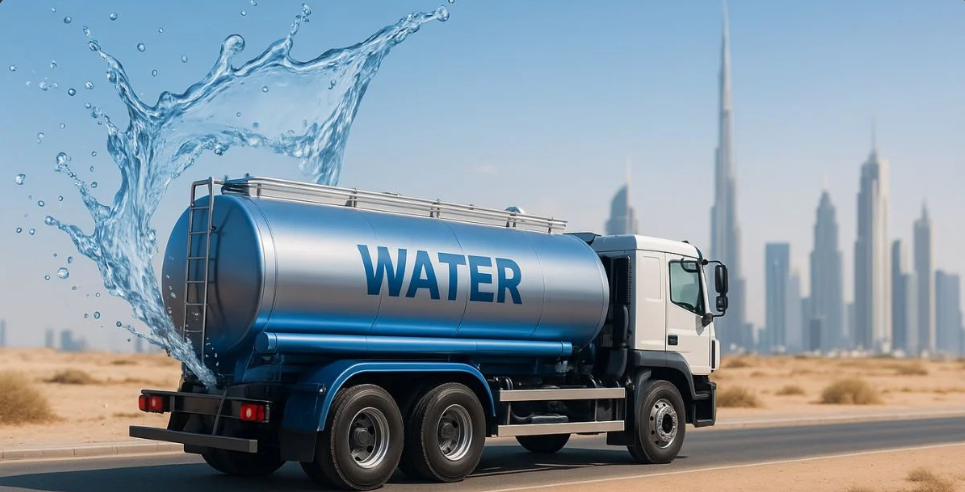
How Water Supply Tankers Are Solving Water Scarcity in Remote Communities
Water scarcity affects billions of people worldwide, with remote communities facing the greatest challenges in accessing clean, reliable water supplies. Innovative water supply tanker solutions are bridging the gap between water-rich and water-poor regions, providing life-sustaining resources to previously underserved populations while fostering community development and improving quality of life.
Addressing Geographic Barriers
Remote communities often face insurmountable geographic barriers to traditional water infrastructure development. Mountain villages, desert settlements, and isolated islands cannot feasibly connect to centralized water systems due to extreme terrain, vast distances, or prohibitive construction costs. Water supply tanker services overcome these obstacles by delivering water directly to communities regardless of their geographic isolation.
Modern water supply tanker vehicles are specifically designed to navigate challenging terrains that would be impossible for conventional water infrastructure. All-terrain water supply tanker units equipped with specialized suspension systems, reinforced chassis, and powerful engines can reach communities via unpaved roads, steep mountain paths, and harsh desert conditions. These capabilities ensure consistent water delivery even in the most remote locations.
Helicopter-transportable water supply tanker modules serve communities completely inaccessible by road transport. These specialized units can be airlifted to remote settlements, providing emergency water supplies during natural disasters or serving as permanent solutions for extremely isolated populations. This technology expands the reach of water supply tanker services to previously unreachable communities.
Emergency Response Capabilities
Natural disasters, drought conditions, and infrastructure failures can suddenly transform water-secure communities into water-scarce populations requiring immediate assistance. Water supply tanker fleets provide rapid response capabilities that can mobilize within hours of emergency declarations, delivering life-saving water supplies while permanent solutions are developed.
Disaster response water supply tanker operations coordinate with relief organizations to provide systematic water distribution in affected areas. These vehicles can navigate disaster-damaged infrastructure, ford flooded roads, and operate in areas where traditional water systems have failed. Mobile water treatment units integrated with water supply tanker systems can purify contaminated local water sources, extending available supplies during emergencies.
Strategic positioning of water supply tanker resources in disaster-prone regions enables rapid deployment when emergencies occur. Pre-positioned equipment and trained personnel ensure communities receive water assistance within critical timeframes, preventing dehydration and disease outbreaks during crisis situations.
Community Development Impact
Reliable water access through water supply tanker services catalyzes broader community development initiatives in remote areas. Consistent water availability enables agricultural development, small business creation, and improved sanitation practices that contribute to overall community prosperity. Schools and healthcare facilities can operate more effectively when served by dependable water supply tanker deliveries.
Economic opportunities emerge in communities with reliable water supply tanker services. Local entrepreneurs can establish water-dependent businesses, agricultural cooperatives can expand production, and tourism development becomes feasible when visitors are assured of adequate water supplies. These economic benefits create sustainable development pathways for previously isolated communities.
Educational outcomes improve significantly when students have access to clean water through water supply tanker services. Proper hydration enhances learning capacity, while available water for sanitation reduces disease-related absences. Some water supply tanker programs specifically target schools, ensuring educational continuity in remote areas.
Sustainable Service Models
Long-term sustainability of water supply tanker programs requires innovative financing and operational models that ensure continued service provision. Community-owned water supply tanker cooperatives enable local ownership and management of water distribution systems, creating sustainable service models that reduce dependence on external assistance.
Public-private partnerships leverage governmental resources with private sector efficiency to establish comprehensive water supply tanker programs. These partnerships often include capacity building components that train local personnel in vehicle maintenance, water quality testing, and distribution management, ensuring long-term program sustainability.
Microfinance programs enable communities to purchase or lease water supply tanker services, creating market-based solutions that ensure continued water access while building local economic capacity. These programs often include business training components that help communities develop sustainable water management practices.
Technology Integration for Remote Service
Advanced technologies enhance water supply tanker effectiveness in remote communities. Satellite communication systems enable real-time monitoring of water supply tanker operations, ensuring timely deliveries and rapid response to service interruptions. GPS tracking provides precise location data for efficient route planning and emergency response coordination.
Water quality monitoring systems integrated into water supply tanker units ensure delivered water meets health standards regardless of source or transport conditions. Remote communities often lack water testing capabilities, making onboard quality assurance systems critical for public health protection.
Mobile payment systems adapted for remote communities enable cashless transactions for water supply tanker services, improving financial transparency while accommodating communities with limited banking infrastructure. These systems often integrate with mobile phone networks, leveraging existing communication infrastructure.
Health and Social Benefits
Access to clean water through water supply tanker services dramatically improves public health outcomes in remote communities. Waterborne disease incidence decreases significantly when communities have reliable access to treated water, reducing healthcare costs and improving overall population health. Maternal and child health indicators show particular improvement with consistent water access.
Women and children, who traditionally bear responsibility for water collection in many cultures, benefit enormously from water supply tanker services. Time previously spent on long-distance water collection can be redirected toward education, income generation, and family care activities, creating positive social transformation.
Community cohesion often strengthens around shared water supply tanker services, as residents collaborate on distribution logistics, payment collection, and facility maintenance. These collaborative activities build social capital and community resilience.
Future Innovations and Scaling
Emerging technologies promise even greater effectiveness for water supply tanker solutions in remote communities. Autonomous water supply tanker vehicles could reduce operational costs while ensuring consistent service to isolated populations. Solar-powered water treatment systems integrated with delivery vehicles would provide complete water solutions independent of external power sources.
Scaling successful water supply tanker programs requires systematic approaches that can replicate effective models across multiple communities. Standardized equipment, training programs, and operational procedures enable rapid program expansion while maintaining service quality.
International cooperation and knowledge sharing accelerate the adoption of effective water supply tanker solutions worldwide. Technology transfer programs, financing mechanisms, and operational expertise sharing help expand access to these life-changing services across developing regions.
Water supply tanker solutions represent practical, immediate responses to water scarcity challenges facing remote communities globally, providing hope and tangible improvements to millions of underserved people.