
https://fuelpumpexpress.com

Why Sweet Water Suppliers Are Key to Sustainable Water Solutions

Water is an essential resource that sustains life, and ensuring its availability in a sustainable and reliable manner is one of the biggest challenges faced by communities around the world. As the demand for water increases due to urbanization, climate change, and population growth, many regions are struggling to provide a consistent supply of clean and safe water. Sweet water suppliers play a crucial role in bridging this gap by delivering high-quality, treated water directly to homes, businesses, and industries. In this post, we will explore why sweet water suppliers are key to sustainable water solutions and how their services contribute to long-term water security.

What Is a Sweet Water Supplier?

A sweet water supplier refers to a company or service that delivers clean, potable water that has been treated and filtered to meet health and safety standards. This water, often referred to as “sweet water,” is free from harmful contaminants such as bacteria, viruses, chemicals, and sediments, making it safe for drinking, cooking, and other essential needs. Sweet water suppliers typically use water sourced from regulated sources such as water treatment plants or wells, ensuring that it is purified and disinfected before distribution.

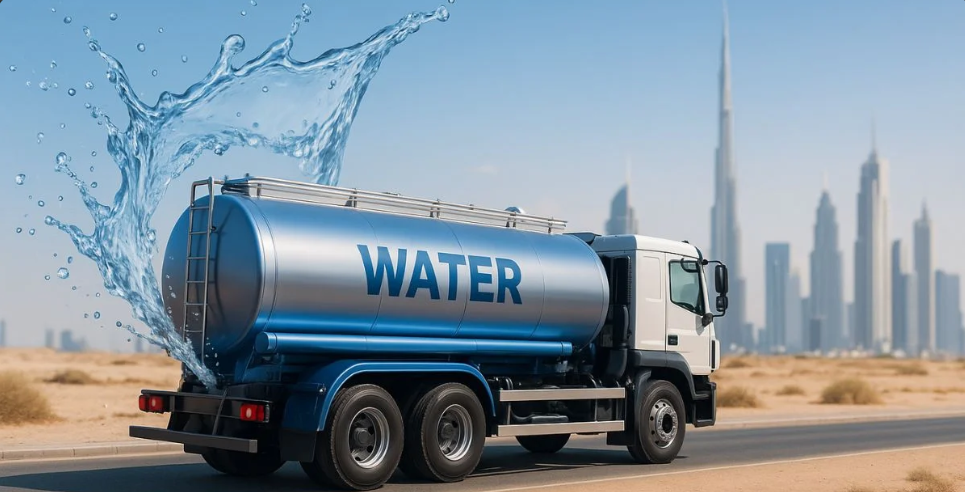
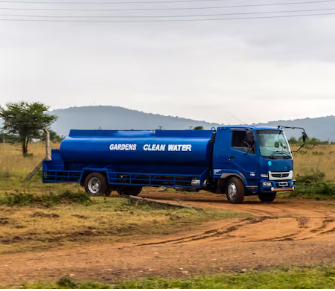
These suppliers use large tanker trucks to deliver water directly to areas where the local water supply is insufficient, unreliable, or contaminated. They offer a flexible and efficient solution for areas facing water shortages or poor-quality water, making them indispensable to communities that require consistent access to clean water.

The Growing Need for Sustainable Water Solutions

As the global population grows and the impacts of climate change become more pronounced, the demand for water is expected to rise sharply. At the same time, many water sources are being depleted or polluted, making it more difficult to maintain a steady supply of clean water. According to the United Nations, nearly 2 billion people around the world live in areas experiencing high water stress, and this number is only expected to increase.

In such a scenario, sustainable water management has become a critical priority. This involves not only ensuring that water is available to meet the needs of people, but also protecting water sources for future generations. This is where sweet water suppliers play a key role.

1. Providing Clean Water to Underserved Areas

One of the most important ways in which sweet water suppliers contribute to sustainable water solutions is by providing clean water to underserved and remote areas. In many parts of the world, local water infrastructure is outdated or insufficient, and communities struggle to access safe and reliable water sources. Sweet water suppliers step in to fill this gap, delivering clean, treated water directly to these communities.

Whether it’s a rural village, a construction site, or a disaster-stricken area, sweet water suppliers ensure that these locations have access to the water they need for daily life. By delivering clean water to areas that lack reliable access, these suppliers help improve public health and reduce the risk of waterborne diseases, which are often prevalent in areas with poor water quality.

2. Supporting Sustainable Water Use Practices

Sustainability is at the heart of modern water management, and sweet water suppliers are helping to promote more sustainable water use practices. Many suppliers use efficient transportation methods and modern technology to minimize water wastage during delivery. Tankers are designed to carry water without significant losses, ensuring that every drop is delivered where it is needed most.

Additionally, many sweet water suppliers are incorporating eco-friendly practices into their operations. For example, some use electric or hybrid vehicles for water delivery, reducing carbon emissions and contributing to environmental sustainability. By providing clean water in an energy-efficient manner, sweet water suppliers are aligning their services with broader sustainability goals.

3. Reducing Pressure on Local Water Resources

In areas facing water scarcity, relying on traditional water sources can place immense pressure on local water resources. Over-extraction from rivers, lakes, and groundwater can lead to depletion and environmental degradation. Sweet water suppliers help alleviate this pressure by sourcing water from regulated, sustainable sources such as treatment plants that meet strict environmental and health standards.

By diversifying the sources of water supply, sweet water suppliers reduce the dependence on local water sources that may be at risk of overuse. This helps preserve natural water resources for future generations and ensures that water remains available for both human consumption and ecosystem health.

4. Providing Flexibility in Water Distribution

One of the major challenges of water distribution systems is their lack of flexibility. Traditional systems often rely on large-scale infrastructure, which can be expensive to build and maintain. In contrast, sweet water suppliers offer a flexible, scalable solution that can be adjusted to meet changing demands.

For example, in areas with fluctuating water needs or seasonal shortages, sweet water suppliers can scale their operations up or down as needed. During periods of drought or water scarcity, they can increase the frequency and volume of deliveries to ensure that communities receive the water they need. Conversely, when water resources are more abundant, deliveries can be reduced. This adaptability allows sweet water suppliers to efficiently manage water distribution, making them a sustainable and responsive solution for water supply challenges.

5. Emergency Response and Disaster Relief

In times of natural disasters such as floods, earthquakes, or hurricanes, local water infrastructure is often damaged or rendered inoperable. In these situations, sweet water suppliers play a critical role in emergency relief efforts by delivering clean water to affected areas. Tankers can quickly provide large quantities of water to disaster-stricken communities, helping to prevent dehydration, sanitation issues, and the spread of waterborne diseases.

For example, during floods, the water supply may become contaminated by debris, chemicals, and sewage. Sweet water suppliers provide an emergency source of clean water, ensuring that those affected by the disaster have access to safe drinking water until local infrastructure can be repaired or restored.

6. Water for Agriculture and Industrial Use

Sustainable water management is not limited to residential needs. Agriculture and industry also rely on a consistent supply of clean water. Sweet water suppliers play a significant role in supporting both sectors by providing water for irrigation, cooling systems, and industrial processes.

In agriculture, sweet water suppliers can ensure that farmers have access to high-quality water for crop irrigation, even during periods of water scarcity. This helps maintain food security and agricultural productivity. Similarly, industries that rely on large quantities of water for manufacturing or processing benefit from the reliable supply of water that sweet water suppliers offer, reducing the risk of production delays or inefficiencies.

7. Promoting Public Health and Hygiene

The quality of water is closely tied to public health and hygiene. Poor water quality can lead to a wide range of health problems, including gastrointestinal diseases, skin conditions, and other waterborne illnesses. Sweet water suppliers ensure that the water delivered to communities is safe, clean, and free from harmful contaminants.

By maintaining high standards of water quality, sweet water suppliers help prevent the spread of diseases and improve overall public health. In doing so, they contribute to the well-being of communities and reduce the burden on healthcare systems, making them an integral part of sustainable water solutions.

Conclusion

Sweet water suppliers are essential to creating sustainable water solutions that address the growing global demand for clean, safe, and reliable water. Through their flexible, efficient, and environmentally conscious services, these suppliers help bridge the gap between water scarcity and the need for consistent water supply. Whether providing water to underserved communities, supporting agricultural and industrial operations, or responding to emergencies, sweet water suppliers play a key role in ensuring that water is available when and where it is needed most. Their contribution to sustainable water management practices is crucial for securing long-term water availability for all.
Why Sweet Water Suppliers Are Key to Sustainable Water Solutions

Water is an essential resource that sustains life, and ensuring its availability in a sustainable and reliable manner is one of the biggest challenges faced by communities around the world. As the demand for water increases due to urbanization, climate change, and population growth, many regions are struggling to provide a consistent supply of clean and safe water. Sweet water suppliers play a crucial role in bridging this gap by delivering high-quality, treated water directly to homes, businesses, and industries. In this post, we will explore why sweet water suppliers are key to sustainable water solutions and how their services contribute to long-term water security.

What Is a Sweet Water Supplier?

A sweet water supplier refers to a company or service that delivers clean, potable water that has been treated and filtered to meet health and safety standards. This water, often referred to as “sweet water,” is free from harmful contaminants such as bacteria, viruses, chemicals, and sediments, making it safe for drinking, cooking, and other essential needs. Sweet water suppliers typically use water sourced from regulated sources such as water treatment plants or wells, ensuring that it is purified and disinfected before distribution.

These suppliers use large tanker trucks to deliver water directly to areas where the local water supply is insufficient, unreliable, or contaminated. They offer a flexible and efficient solution for areas facing water shortages or poor-quality water, making them indispensable to communities that require consistent access to clean water.

The Growing Need for Sustainable Water Solutions

As the global population grows and the impacts of climate change become more pronounced, the demand for water is expected to rise sharply. At the same time, many water sources are being depleted or polluted, making it more difficult to maintain a steady supply of clean water. According to the United Nations, nearly 2 billion people around the world live in areas experiencing high water stress, and this number is only expected to increase.

In such a scenario, sustainable water management has become a critical priority. This involves not only ensuring that water is available to meet the needs of people, but also protecting water sources for future generations. This is where sweet water suppliers play a key role.

1. Providing Clean Water to Underserved Areas

One of the most important ways in which sweet water suppliers contribute to sustainable water solutions is by providing clean water to underserved and remote areas. In many parts of the world, local water infrastructure is outdated or insufficient, and communities struggle to access safe and reliable water sources. Sweet water suppliers step in to fill this gap, delivering clean, treated water directly to these communities.

Whether it’s a rural village, a construction site, or a disaster-stricken area, sweet water suppliers ensure that these locations have access to the water they need for daily life. By delivering clean water to areas that lack reliable access, these suppliers help improve public health and reduce the risk of waterborne diseases, which are often prevalent in areas with poor water quality.

2. Supporting Sustainable Water Use Practices

Sustainability is at the heart of modern water management, and sweet water suppliers are helping to promote more sustainable water use practices. Many suppliers use efficient transportation methods and modern technology to minimize water wastage during delivery. Tankers are designed to carry water without significant losses, ensuring that every drop is delivered where it is needed most.

Additionally, many sweet water suppliers are incorporating eco-friendly practices into their operations. For example, some use electric or hybrid vehicles for water delivery, reducing carbon emissions and contributing to environmental sustainability. By providing clean water in an energy-efficient manner, sweet water suppliers are aligning their services with broader sustainability goals.

3. Reducing Pressure on Local Water Resources

In areas facing water scarcity, relying on traditional water sources can place immense pressure on local water resources. Over-extraction from rivers, lakes, and groundwater can lead to depletion and environmental degradation. Sweet water suppliers help alleviate this pressure by sourcing water from regulated, sustainable sources such as treatment plants that meet strict environmental and health standards.

By diversifying the sources of water supply, sweet water suppliers reduce the dependence on local water sources that may be at risk of overuse. This helps preserve natural water resources for future generations and ensures that water remains available for both human consumption and ecosystem health.

4. Providing Flexibility in Water Distribution

One of the major challenges of water distribution systems is their lack of flexibility. Traditional systems often rely on large-scale infrastructure, which can be expensive to build and maintain. In contrast, sweet water suppliers offer a flexible, scalable solution that can be adjusted to meet changing demands.

For example, in areas with fluctuating water needs or seasonal shortages, sweet water suppliers can scale their operations up or down as needed. During periods of drought or water scarcity, they can increase the frequency and volume of deliveries to ensure that communities receive the water they need. Conversely, when water resources are more abundant, deliveries can be reduced. This adaptability allows sweet water suppliers to efficiently manage water distribution, making them a sustainable and responsive solution for water supply challenges.

5. Emergency Response and Disaster Relief

In times of natural disasters such as floods, earthquakes, or hurricanes, local water infrastructure is often damaged or rendered inoperable. In these situations, sweet water suppliers play a critical role in emergency relief efforts by delivering clean water to affected areas. Tankers can quickly provide large quantities of water to disaster-stricken communities, helping to prevent dehydration, sanitation issues, and the spread of waterborne diseases.

For example, during floods, the water supply may become contaminated by debris, chemicals, and sewage. Sweet water suppliers provide an emergency source of clean water, ensuring that those affected by the disaster have access to safe drinking water until local infrastructure can be repaired or restored.

6. Water for Agriculture and Industrial Use

Sustainable water management is not limited to residential needs. Agriculture and industry also rely on a consistent supply of clean water. Sweet water suppliers play a significant role in supporting both sectors by providing water for irrigation, cooling systems, and industrial processes.

In agriculture, sweet water suppliers can ensure that farmers have access to high-quality water for crop irrigation, even during periods of water scarcity. This helps maintain food security and agricultural productivity. Similarly, industries that rely on large quantities of water for manufacturing or processing benefit from the reliable supply of water that sweet water suppliers offer, reducing the risk of production delays or inefficiencies.

7. Promoting Public Health and Hygiene

The quality of water is closely tied to public health and hygiene. Poor water quality can lead to a wide range of health problems, including gastrointestinal diseases, skin conditions, and other waterborne illnesses. Sweet water suppliers ensure that the water delivered to communities is safe, clean, and free from harmful contaminants.

By maintaining high standards of water quality, sweet water suppliers help prevent the spread of diseases and improve overall public health. In doing so, they contribute to the well-being of communities and reduce the burden on healthcare systems, making them an integral part of sustainable water solutions.

Conclusion

Sweet water suppliers are essential to creating sustainable water solutions that address the growing global demand for clean, safe, and reliable water. Through their flexible, efficient, and environmentally conscious services, these suppliers help bridge the gap between water scarcity and the need for consistent water supply. Whether providing water to underserved communities, supporting agricultural and industrial operations, or responding to emergencies, sweet water suppliers play a key role in ensuring that water is available when and where it is needed most. Their contribution to sustainable water management practices is crucial for securing long-term water availability for all.

How Sweet Water Tanker Supply Can Help During Water Shortages

Water scarcity is becoming an increasing concern worldwide, particularly in areas facing unpredictable weather patterns, inadequate infrastructure, and population growth. Water shortages not only affect drinking water availability but also impact agriculture, industries, and even basic sanitation. One solution to this problem is sweet water tanker supply, which ensures a consistent and clean water supply when local water resources are depleted or unreliable. In this guest post, we’ll explore how sweet water tanker supply can play a crucial role in helping communities and businesses cope with water shortages.

What is Sweet Water Tanker Supply?

Sweet water tanker supply refers to the delivery of clean, potable water by tanker trucks. The term “sweet water” denotes water that is safe for consumption, free from impurities, and typically treated to meet health standards. Tanker supply services provide water for various purposes such as drinking, irrigation, sanitation, and industrial use, making it an essential solution during water shortages.

The Impact of Water Shortages

Water shortages can have a profound impact on daily life. In many parts of the world, water is either too scarce or too contaminated for safe use. This shortage can be exacerbated by natural factors such as droughts and floods, poor water management, or growing population demands. Common effects of water shortages include:

  1. Health Risks: Lack of clean water can lead to sanitation issues and the spread of waterborne diseases.
  2. Agricultural Losses: Farmers may struggle to irrigate crops, leading to poor harvests and food shortages.
  3. Economic Disruptions: Industries that rely on water for production, such as manufacturing or energy sectors, may face shutdowns or reduced capacity.
  4. Social Unrest: In extreme cases, water shortages can lead to tensions and conflict, particularly when resources become scarce.

In such cases, sweet water tanker supply becomes an invaluable resource, offering a temporary or long-term solution to ensure water availability.

How Sweet Water Tanker Supply Helps During Water Shortages

  1. Reliable Access to Clean Water

One of the most important benefits of sweet water tanker supply is that it provides reliable access to clean, drinkable water. In areas facing water shortages, especially during dry spells or droughts, local water sources may become contaminated, or supply systems may be overwhelmed. Water tankers equipped with clean, treated water deliver it directly to homes, businesses, and public places. This service ensures that communities still have access to potable water, even when regular water supplies are disrupted.

  1. Flexible and Immediate Solution

Unlike water supply systems that rely on large-scale infrastructure, sweet water tanker supply offers a more flexible solution that can be implemented quickly. Water tankers can reach remote or hard-to-access areas, delivering water directly to where it is needed most. Whether it’s for residential use, construction sites, or agricultural fields, the flexibility of tanker services allows them to address specific needs efficiently. When water shortages hit, tanker services can be mobilized almost immediately to meet demand.

  1. Support for Agriculture and Irrigation

Water shortages don’t only affect residential areas; agriculture can also suffer greatly. Farmers depend on a consistent supply of water to irrigate their crops, and a lack of it can lead to devastating consequences. During dry periods, sweet water tanker supply services can deliver water directly to farms and irrigation systems, helping ensure that crops receive the necessary moisture. This can significantly reduce the risk of crop failure and help sustain agricultural productivity during water shortages.

  1. Providing Water for Industries and Businesses

Industries, manufacturing plants, and businesses rely on water for their operations. During times of water shortages, businesses can experience operational disruptions, leading to loss of productivity. Sweet water tanker supply can help fill the gap by delivering water for industrial processes, cooling systems, and cleaning operations. By ensuring that businesses have the water they need, tanker supply services play a critical role in maintaining economic stability and preventing business shutdowns during periods of water scarcity.

  1. Water for Emergency Situations

In emergencies such as floods, earthquakes, or other natural disasters, regular water distribution systems may be damaged or destroyed. In these situations, sweet water tanker supply becomes a life-saving service. Tankers can deliver clean water to affected areas where the infrastructure has been compromised, ensuring that residents have access to safe drinking water. Emergency water deliveries are crucial for humanitarian aid, particularly in the aftermath of disasters, helping prevent waterborne diseases and providing relief to communities in crisis.

  1. Cost-Effective Water Supply

For areas with frequent water shortages or unreliable water infrastructure, setting up a full-scale water supply system can be prohibitively expensive and time-consuming. Sweet water tanker supply offers a cost-effective alternative. Tanker services can be used on a temporary or as-needed basis, allowing communities or businesses to pay only for the water they need. This model provides an affordable solution, especially for small communities or rural areas that may not have the resources to invest in large-scale water infrastructure.

  1. Sustainability in Water Usage

In addition to providing immediate relief during water shortages, sweet water tanker services can contribute to sustainable water use. By delivering water in a controlled and efficient manner, these services help ensure that water resources are used wisely. For example, tanker deliveries can be coordinated to avoid overuse in certain areas and prevent wastage. Additionally, modern tanker services are often equipped with eco-friendly technologies that reduce environmental impact, making the water supply process more sustainable.

How to Choose the Right Sweet Water Tanker Supply Service

If you’re considering using a sweet water tanker supply service during a water shortage, it’s important to choose a reliable provider. Here are some factors to consider:

  1. Quality of Water: Ensure the water provided is clean, safe, and meets health standards. It’s essential to verify that the tanker service sources its water from licensed, treated sources.
  2. Delivery Time and Flexibility: Choose a supplier that can deliver water promptly and accommodate your specific needs. Some services offer 24/7 availability, while others operate during business hours.
  3. Pricing: Compare prices between different water suppliers. Make sure the cost is reasonable and within your budget, especially if you need large quantities of water over an extended period.
  4. Customer Reviews and Reputation: Research customer reviews and testimonials to gauge the reliability of the water supplier. A reputable company will have positive feedback and a track record of delivering water on time and in good quality.
  5. Service Area: Ensure the supplier can deliver water to your location. Some companies may only serve specific regions, so it’s important to confirm that they operate in your area.

Conclusion

Sweet water tanker supply is a smart and effective solution during water shortages, providing reliable access to clean water for homes, businesses, and agriculture. Whether in emergency situations, droughts, or ongoing water scarcity, tanker services offer a flexible and cost-effective means of ensuring that essential water needs are met. By addressing water challenges head-on, sweet water tanker supply helps maintain public health, support industries, and sustain agricultural productivity during difficult times.