
https://fuelpumpexpress.com

2025 Precast Concrete Detailing Trends & Innovations

Introduction

Precast concrete has long been a vital component of modern construction, but in 2025, it’s poised to become even more essential. With growing industry challenges—such as tighter project timelines, rising material costs, and increased sustainability demands—contractors must embrace the latest innovations to maintain a competitive edge.

Precast concrete detailing plays a critical role in enhancing efficiency, cutting costs, and improving overall project quality. By staying ahead of key trends, contractors can bridge the gap between design and construction, ensuring flawless execution on every project.

Key Industry Drivers Shaping Precast Concrete in 2025

The precast concrete sector is evolving rapidly due to several crucial factors:

  1. Economic Pressures: Labor shortages and inflation drive the need for faster, more cost-effective construction methods.
  2. Sustainability Regulations: Green building certifications and stricter environmental mandates make eco-friendly practices essential.
  3. Technological Advancements: AI, automation, and digital twins are revolutionizing precast detailing, improving accuracy and efficiency.

Understanding these forces is vital for contractors looking to thrive in 2025.

Top Trends in Precast Concrete Detailing for 2025

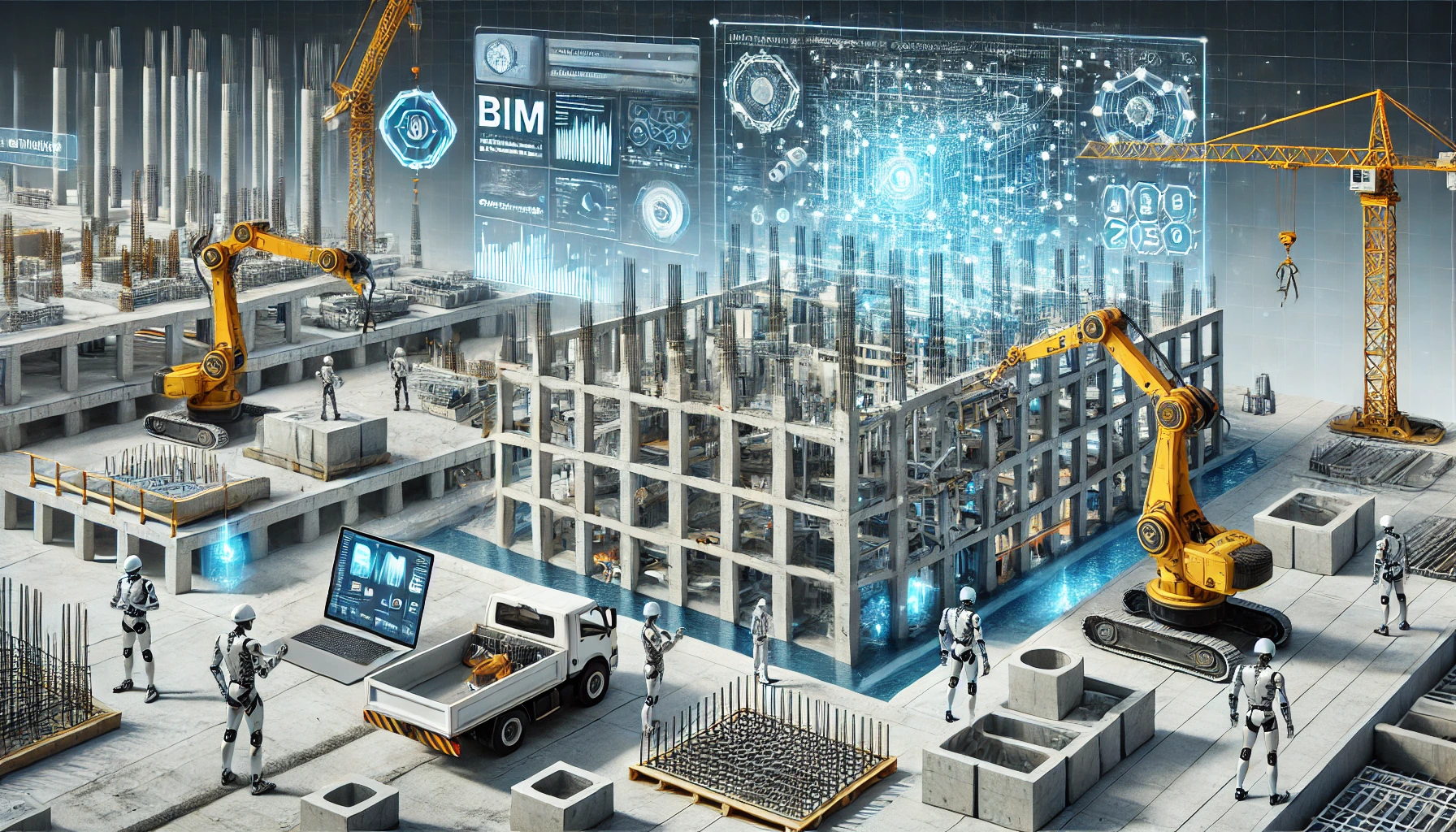
1. Advanced BIM Workflows for Seamless Collaboration

Building Information Modeling (BIM) is no longer optional—it’s a necessity. In 2025, contractors are leveraging BIM for precast projects at an unprecedented level.

Key Benefits:

  • Streamlined workflows from design to installation
  • Fewer errors and less rework
  • Improved collaboration among designers, engineers, and contractors

With BIM Level 3 technology, real-time collaboration is easier than ever. Studies show BIM adoption can improve project efficiency by up to 30%.

2. Sustainability-Driven Precast Designs

Sustainability is shaping the future of precast concrete. Contractors are implementing:

  • Low-carbon concrete mixes to reduce CO2 emissions
  • Optimized detailing techniques that minimize material waste
  • Reusable formwork solutions to improve efficiency

Case Study: Poundfield Precast’s ultra-low carbon concrete is a game-changer, showing how innovative materials can enhance sustainability without compromising performance.

3. Automation and AI-Powered Detailing

Manual detailing is becoming a thing of the past. AI and machine learning are transforming the way precast detailing is performed, reducing human error and accelerating workflows.

Top Automation Tools:

  • Tekla Structures: High-detail 3D modeling for fabrication-ready precast elements
  • Revit Precast Extensions: Automated panelization and reinforcement detailing
  • Trimble Connect: Cloud-based collaboration for real-time project tracking
  • SOFiSTiK Reinforcement Detailing: Automated reinforcement scheduling in Revit

Contractors leveraging these tools report 50% faster project delivery times.

4. Growth of Modular and Prefabricated Systems

Modular construction is reshaping the industry, and precast detailing is at its core. The ability to produce precision components off-site and assemble them on-site like LEGO blocks is increasing project speed by up to 50%.

Why it Matters:

  • Reduces on-site labor and costs
  • Enhances project predictability and quality
  • Minimizes construction waste

5. Digital Twins: The Future of Precast Lifecycle Management

A digital twin is a virtual replica of a physical structure that allows real-time monitoring and optimization.

Key Benefits:

  • Enhances predictive maintenance
  • Reduces installation surprises
  • Increases ROI by optimizing long-term performance

Example: Turner Construction’s Salesforce Tower project in San Francisco saved $15 million by using digital twin technology for logistics optimization and real-time monitoring.

Challenges Contractors Face in 2025

1. Talent Shortage in Digital Tools and BIM

The demand for professionals skilled in BIM and digital detailing is outpacing supply. Contractors must invest in:

  • Training programs
  • Upskilling initiatives
  • Partnerships with specialized firms

2. Navigating Stringent Regulations

Compliance with evolving safety and sustainability regulations is becoming more complex. Contractors need proactive compliance strategies and advanced tools for:

  • Automated clash detection (Navisworks Manage, Solibri Model Checker)
  • Digital documentation to meet certification requirements

3. High Initial Costs of New Technologies

While BIM, automation, and digital twins offer long-term benefits, their upfront costs can be a challenge.

Solutions:

  • Start small: Implement one technology at a time and measure ROI
  • Consider outsourcing: Specialized firms provide cost-effective precast detailing
  • Leverage government incentives: Many countries offer grants for tech adoption in construction

Data-Driven Insights: The Business Case for Modern Precast Detailing

Market Growth Projections

  • The global precast concrete market is expected to grow by $174.1 billion by 2025
  • North America and Asia-Pacific lead the expansion due to infrastructure investments

Cost-Benefit Analysis: Traditional vs. Modern Methods

AspectTraditional MethodsAdvanced Methods (BIM, Automation)
Setup TimeLongerReduced with automation
Error RateHighLower with clash detection
Project TimelineDelayed by reworkStreamlined with collaboration
Initial CostLowerHigher upfront investment
Long-term ROILimitedHigher due to efficiency gains
SustainabilityDifficult to meet standardsEasier with optimized designs
CollaborationManualCloud-based real-time updates

Conclusion: The Road Ahead for Precast Contractors

The future of precast concrete detailing is bright for contractors who embrace innovation. By staying ahead of trends in BIM, sustainability, automation, modular construction, and digital twins, contractors can improve efficiency, reduce costs, and enhance project quality.

Action Steps:

  1. Invest in advanced BIM tools for seamless collaboration.
  2. Prioritize sustainable detailing techniques.
  3. Automate repetitive detailing tasks to boost efficiency.
  4. Leverage modular construction for faster project delivery.
  5. Explore digital twins for real-time project optimization.

Contractors who adopt these strategies will be well-positioned to lead the precast concrete industry in 2025 and beyond.

Learn about Dual Power Supplies: Circuit Construction and Operation
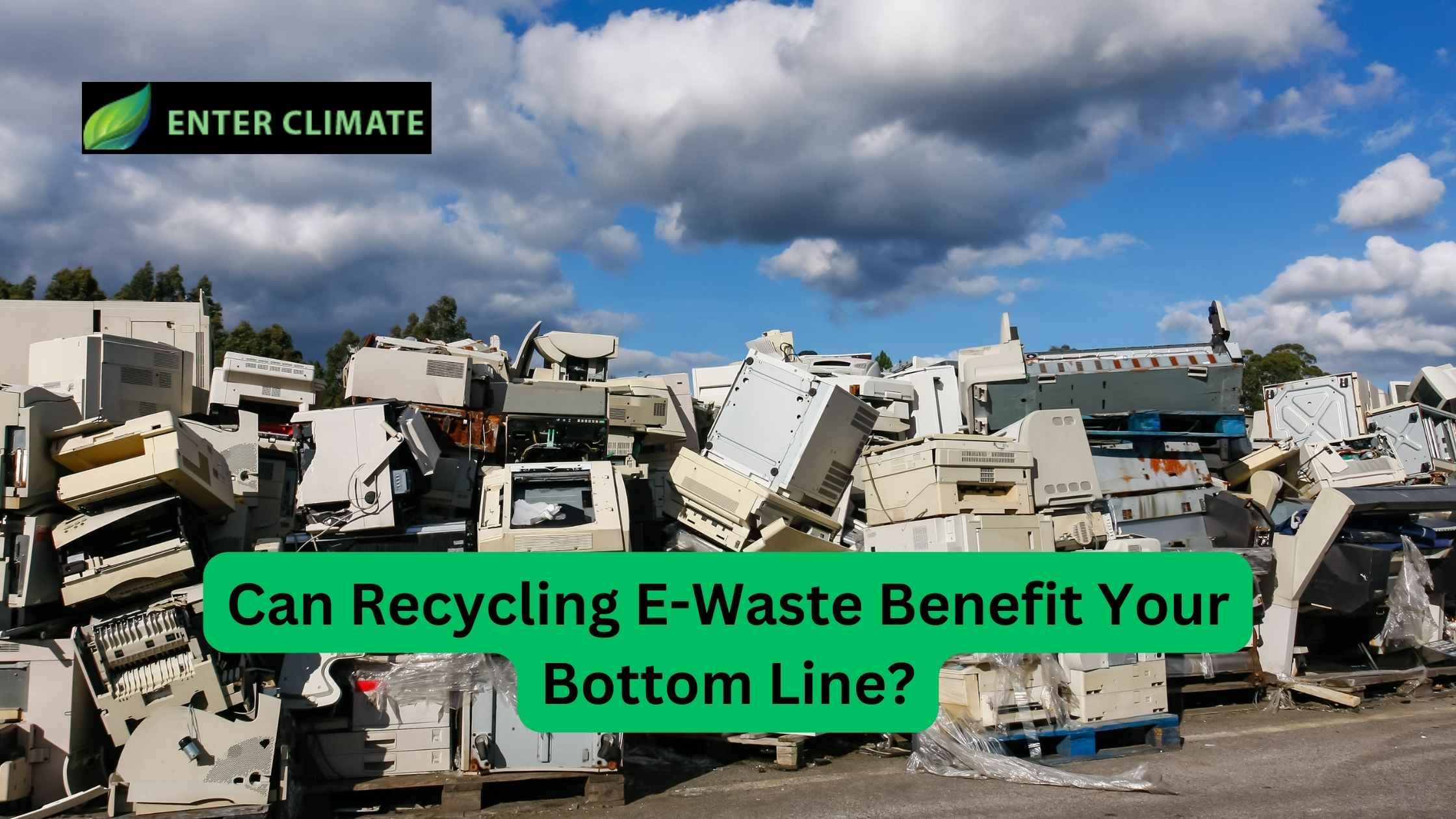
Can Recycling E-Waste Benefit Your Bottom Line?

With technology advancing rapidly and the lifecycle of electronic devices shortening, businesses are producing more e-waste than ever before. The term “e-waste” refers to discarded electronic devices such as old computers, phones, printers, and televisions. While many businesses treat e-waste as a nuisance, responsible e-waste management offers a unique opportunity to benefit your bottom line in several ways.

Recycling e-waste isn’t just about fulfilling regulatory requirements or being environmentally responsible. It’s also a strategic business move that can lead to cost savings, revenue generation, and enhanced brand reputation. In this blog, we will explore how e-waste recycling can actually benefit your business financially, operationally, and in terms of corporate responsibility.

1. Cost Savings Through E-Waste Recycling

One of the most direct ways e-waste management can benefit your bottom line is through cost savings. Businesses often overlook the financial advantages of recycling electronic waste. However, there are a number of cost-saving opportunities in the recycling process that can directly impact your company’s expenses.

Reducing Waste Disposal Costs

Traditional waste disposal can be expensive, especially when dealing with large quantities of electronic waste. Instead of paying hefty disposal fees, recycling e-waste allows businesses to reduce waste that would otherwise go to landfills. Many certified e-waste recycling facilities offer services at lower costs compared to standard waste removal services, often providing a more sustainable alternative that is both affordable and responsible.

Recovering Valuable Materials

E-waste contains valuable materials such as copper, gold, silver, and platinum, which can be recycled and sold. By sending your old electronics to certified recyclers, you can recover a portion of the material value, which helps offset the cost of recycling and disposal. Businesses can sell these materials to specialized metal recyclers or even receive payment from certified e-waste recycling companies. Over time, these small recoveries can add up, reducing overall expenses and contributing to your company’s profitability.

2. Enhancing Brand Reputation and Customer Loyalty

In today’s eco-conscious world, consumers are increasingly aware of the environmental impact of the companies they choose to support. By implementing a sustainable e-waste management program, your business can enhance its brand reputation, attract environmentally-conscious customers, and foster loyalty.

Demonstrating Corporate Responsibility

Recycling e-waste shows your customers, investors, and employees that your company cares about sustainability and is taking steps to minimize its environmental footprint. This can lead to positive press coverage, improved customer perception, and a stronger brand identity. Additionally, companies that prioritize sustainability are often seen as leaders in their industries, which can enhance long-term competitiveness and market positioning.

Attracting Environmentally-Conscious Consumers

Millennials and Gen Z consumers, in particular, prioritize sustainability when making purchasing decisions. Studies have shown that consumers are more likely to buy from companies with strong environmental practices. By recycling e-waste, your business aligns with these values and strengthens its appeal to a growing segment of eco-conscious shoppers.

3. Regulatory Compliance and Risk Mitigation

E-waste is subject to an increasing number of local, national, and international regulations aimed at protecting the environment and human health. Improper disposal of electronics can lead to serious legal consequences, including fines and reputational damage.

Meeting Legal Requirements

In many countries, businesses are required to comply with regulations surrounding the disposal of e-waste. For instance, the European Union has strict guidelines under the Waste Electrical and Electronic Equipment (WEEE) Directive, which mandates proper recycling and disposal of e-waste. Similarly, in the United States, the Resource Conservation and Recovery Act (RCRA) imposes regulations on hazardous waste, including certain types of e-waste.

By implementing responsible e-waste management practices, your business can ensure that it meets all legal obligations and avoids costly fines. Working with a certified e-waste recycler can ensure compliance and help you stay up to date with any changes in legislation.

Reducing Environmental and Legal Risks

Improper e-waste disposal can lead to environmental contamination and public health issues. Harmful substances such as lead, mercury, and cadmium, found in many electronic devices, can leach into the soil and water supply if not properly managed. Not only does this harm the environment, but it can also lead to potential legal action, especially if your company is found to be negligent in its disposal practices.

By prioritizing safe e-waste recycling, you mitigate these risks and protect your business from potential environmental damage or lawsuits. This proactive approach reduces your liability and demonstrates your commitment to ethical practices.

4. Supporting the Circular Economy

Another benefit of recycling e-waste is the opportunity to participate in the circular economy, which promotes the reuse and recycling of materials to minimize waste. E-waste contains valuable raw materials that can be recovered and used in new products, reducing the need for virgin resources.

Contributing to Resource Efficiency

By engaging in e-waste recycling, your business helps reduce the demand for mining and the extraction of precious materials. Mining for metals like gold, silver, and copper has significant environmental impacts, including habitat destruction, water pollution, and carbon emissions. Recycling e-waste helps conserve natural resources by allowing these materials to be reused in the production of new electronics, thus supporting a more resource-efficient economy.

Creating a Sustainable Supply Chain

By working with responsible e-waste recyclers, your business can contribute to a more sustainable supply chain. Many e-waste recycling companies are committed to sustainability and work to reduce waste, conserve resources, and limit environmental damage in their processes. Supporting these companies can enhance your supply chain’s overall sustainability and help improve your company’s environmental performance.

5. Attracting and Retaining Employees

Today’s workforce values sustainability and corporate responsibility. By implementing a responsible e-waste management program, your business can attract employees who are passionate about working for a company that aligns with their values.

Boosting Employee Engagement

Employees who feel that their employer is committed to sustainability are more likely to feel engaged and motivated in their work. A strong commitment to environmental practices fosters a positive company culture and can improve job satisfaction, which in turn enhances productivity and retention.

Enhancing Talent Recruitment

Top talent is increasingly looking to work for companies that prioritize ethical practices. By showcasing your company’s commitment to e-waste management and sustainability, you can attract employees who are eager to work for a company that values corporate social responsibility (CSR).

Why Enterclimate Is the Ideal Choice for E-Waste Management

When it comes to e-waste management, Enterclimate provides reliable, certified, and eco-friendly recycling services that benefit both your business and the environment. By partnering with Enterclimate, you ensure responsible disposal, data security, and compliance with regulations, all while contributing to a sustainable future.

Conclusion

Recycling e-waste offers numerous benefits for your business, from cost savings and regulatory compliance to enhancing brand reputation and supporting a circular economy. By implementing effective e-waste management practices, your business can reduce expenses, increase profitability, and improve its sustainability efforts.

Embracing e-waste recycling is not just an ethical responsibility; it’s a smart business move that can help your bottom line in more ways than one. With services like those offered by Enterclimate, you can be confident that your business is disposing of electronics responsibly while contributing to a greener future.

FAQs

1. How can recycling e-waste save my business money?
Recycling e-waste helps businesses recover valuable materials, such as gold, copper, and silver, which can offset the cost of recycling. Additionally, it reduces waste disposal fees and avoids legal fines associated with improper e-waste disposal.

2. How can I ensure my business is compliant with e-waste regulations?
Partnering with a certified e-waste recycler ensures that your business meets all local, national, and international regulations surrounding the disposal of electronics. Certified recyclers follow legal guidelines and ensure proper data destruction, protecting your business from penalties.

3. Can recycling e-waste help improve my company’s reputation?
Yes, responsible e-waste management shows customers, employees, and investors that your company cares about sustainability and corporate responsibility. This can enhance your brand image and attract environmentally-conscious consumers and employees.

Transform Investment Decisions with Structural BIM Insights

Structural Building Information Modeling (BIM) isn’t just a buzzword or tech fad. It’s a transformative tool reshaping how investments in construction and infrastructure projects are planned, executed, and managed. By providing deep insights into every aspect of a project, Structural BIM empowers stakeholders to make smarter, data-driven decisions.

If you’re here to learn how Structural BIM can revolutionize your next project—whether it’s a multi-story parking garage, a skyscraper, or a community library renovation—you’ve come to the right place. Let’s dive into the practical, long-term benefits that make Structural BIM a game-changer for investors.

What Is Structural BIM and Why Does It Matter?

At its core, Structural BIM combines advanced 3D modeling with integrated data analysis to create a detailed virtual representation of a building. But it goes far beyond aesthetics. BIM incorporates:

  • Material Strengths and Costs: How different materials perform over time.
  • Lifecycle Analysis: Predicting maintenance and operational costs for decades.
  • Environmental Impact: Quantifying carbon footprints and energy efficiency.

Imagine being able to simulate how every decision—from choosing materials to adjusting HVAC systems—affects your bottom line and environmental impact. Structural BIM gives you this superpower.

The Big Picture: Why Structural BIM Is Essential for Investors

Investments in construction projects are significant and often come with high stakes. The costs of materials, labor, and delays can quickly spiral out of control without careful planning. Structural BIM offers the clarity needed to mitigate these risks by providing:

  • Accurate Cost Projections: Eliminate surprises with detailed cost analyses.
  • Improved Sustainability: Design projects that meet modern environmental standards.
  • Reduced Risk: Identify and resolve potential issues before breaking ground.

Real-World Example: A Parking Garage Saved by BIM

Consider a client (we’ll call him Dave) who invested in a multi-story parking garage. The initial designs seemed cost-effective but relied on low-grade steel to cut upfront expenses. Halfway through construction, Dave faced skyrocketing maintenance projections.

When we ran the project through Structural BIM, we demonstrated how upgrading to a slightly pricier but more durable material would save millions over 30 years. Dave made the change, and today, the garage stands as a testament to the power of informed decision-making.

Material Selection: More Than Just a Budget Line

Choosing the right materials can make or break a project’s ROI. Structural BIM goes beyond basic price comparisons to evaluate:

  • Durability: How long will materials last under real-world conditions?
  • Maintenance Needs: What ongoing costs can you expect?
  • Energy Efficiency: How do materials impact heating, cooling, and insulation?
  • Recycling Potential: Can materials be reused or repurposed?

For example, deciding between reinforced concrete and steel isn’t just about upfront costs. BIM allows you to see how these materials affect long-term operational expenses and environmental impacts.

Long-Term ROI: Measuring Success Beyond Dollars

Today’s investors care about more than just financial returns. Structural BIM supports broader goals by:

  • Enhancing Sustainability: Quantify energy efficiency and carbon emissions.
  • Improving Community Impact: Design projects that integrate seamlessly into their environments.
  • Ensuring Future-Proofing: Build structures that remain functional and efficient for decades.

Case Study: Renovating a Century-Old Library

A small town faced a dilemma: Should they retrofit their beloved century-old library or build a new one? Structural BIM analyzed both options, factoring in costs, energy efficiency, and community impact. The result? Retrofitting was not only more economical but also aligned with the town’s historical and environmental values. Today, the library is a symbol of modern sustainability and a thriving community hub.

Energy Efficiency: The Secret Weapon of Structural BIM

Energy costs are often underestimated during the planning phase, but they can become a financial drain over time. Structural BIM enables:

  • Scenario Testing: Simulate how different designs impact energy consumption.
  • Optimized HVAC Systems: Evaluate the performance of various heating and cooling solutions.
  • Smart Design Choices: Adjust window placements, shading devices, and insulation for maximum efficiency.

These insights help create buildings that aren’t just cost-effective but also comfortable and eco-friendly.

Building Confidence with Data-Driven Decisions

Structural BIM transforms how decisions are made by providing:

  • Clear Visualizations: 3D models that communicate complex ideas effectively.
  • Comprehensive Data: Hard numbers to back up every choice.
  • Collaboration Tools: Streamlined communication between architects, engineers, and stakeholders.

Whether you’re pitching to investors or managing a construction team, BIM ensures you’re always one step ahead.

Wrapping Up: The Future of Smart Investments

Structural BIM isn’t just for architects or engineers. It’s a must-have tool for anyone looking to make smarter, more sustainable investments in construction. From reducing risks to improving ROI and environmental impact, the benefits are undeniable.

Are you ready to embrace the future of construction with Structural BIM? Let’s talk about how we can help you transform your next project into a shining example of innovation and sustainability.

Know about Architectural Planning Services: The Foundation of Successful Construction Projects