A Back-to-Basics Pool Maintenance How-To Guide
Owning a pool means having access to some serious joy. It’s your backyard’s sparkling centerpiece and a cozy splash zone during the weekends. However, every pool owner knows that with great fun comes great responsibility. Your swimming pool needs to be maintained regularly to maintain its crystal clarity and safety.
Fortunately, pool care doesn’t have to be overwhelming. This no-nonsense, back-to-basics pool maintenance how-to guide is here to help. Read on below:
Why Does Regular Pool Maintenance Matter?
Your swimming pool should be treated like a living thing. It needs attention to stay healthy! Skipping out on maintenance can lead to murky water, funky smells, algae invasions, and damage to your pool equipment.
It’s way easier (and actually cheaper!) to stay on top of things than it would be to play catch-up when something goes wrong and issues pop up. In short, regular pool maintenance helps protect your investment and keeps your swim time stress-free.
Keep That Water Balanced
First things first, let’s talk about water chemistry. Don’t be afraid if it sounds a bit science-y – it’s really not that bad when you get down to it! You want to keep your pool water balanced so that it’s safe to swim in and doesn’t wreck your pool equipment. The big three levels you need to watch are chlorine, pH, and alkalinity.
Chlorine is your go-to for killing bacteria and keeping things sanitized. You don’t want too much, or it’ll irritate your skin and eyes, but too little and your pool turns into a petri dish. pH should stay in the 7.2 to 7.6 range. If it’s too low, the water’s acidic and can damage surfaces; too high, and it messes with chlorine’s ability to do its job. Alkalinity helps keep the pH stable, like a buffer.
You’ll want to test your water at least once a week and add the right chemicals as needed. Test kits and strips make it super simple, so no excuses!
Skim, Scrub, and Vacuum
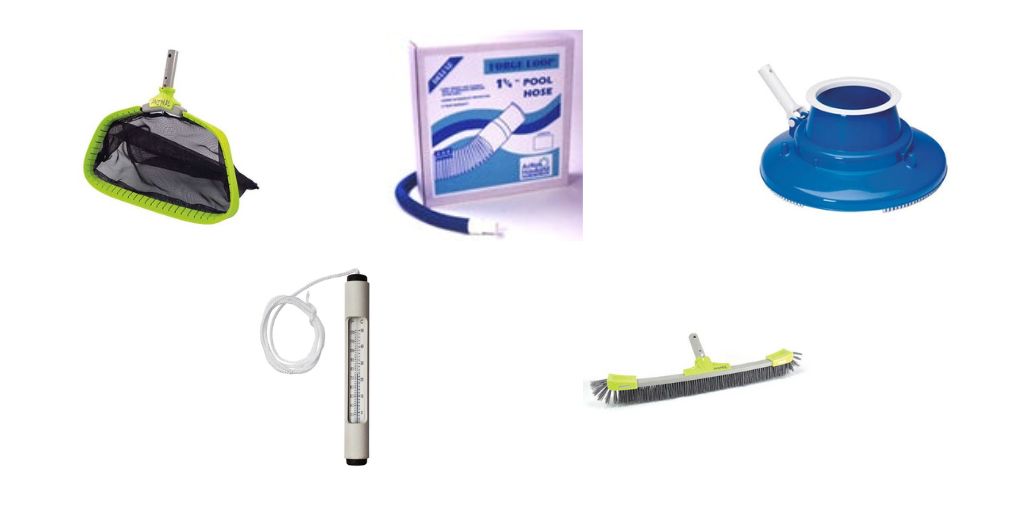
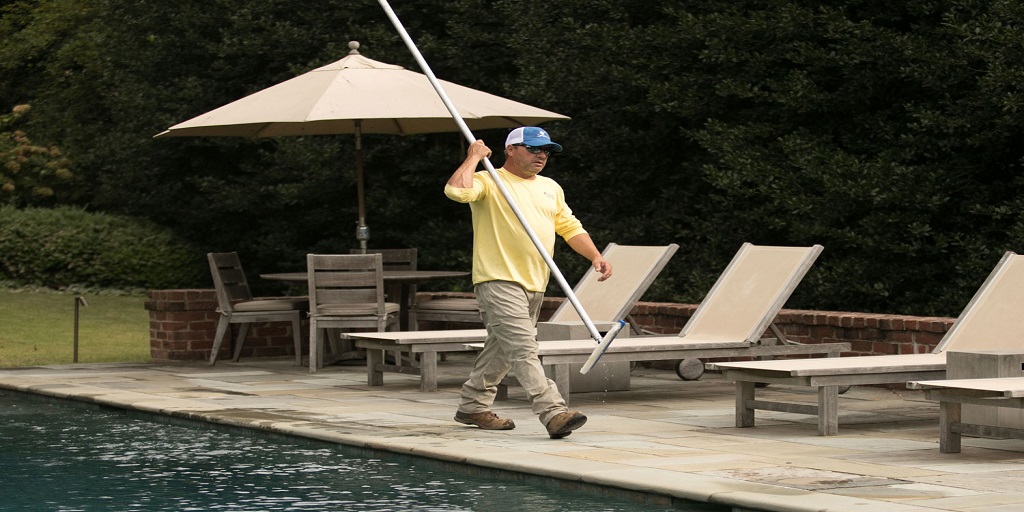
Do you want to swim with bugs, leaves, or a weird layer of gunk that collects on the surface of your swimming pool? If you do, then you can skip this step entirely. If you don’t, though, then you could put in a little legwork (or elbow grease). Skimming the top of your pool daily keeps the surface looking nice and prevents debris from sinking to the bottom. Use a net skimmer — it takes just a few minutes and makes a huge difference.
Next up is brushing the walls and floor of your pool. Algae and dirt love to stick to surfaces, especially in shady spots. Brushing once or twice a week keeps that buildup away. Vacuuming is yet another necessary step. You can use a manual pool vacuum or a robotic cleaner; either way, vacuuming your pool once a week helps keep things clean and keeps circulation moving.
Don’t Ignore the Filter
Your pool filter is the heart of your pool’s circulation system. It traps dirt, debris, and all the stuff you don’t want floating around while keeping the water moving. There are different types – sand, cartridge, and DE (diatomaceous earth) – but all of them need regular cleaning. A clogged filter can’t do its job, and you’ll start noticing cloudy water or sluggish flow.
Clean the filter about once a month, or as recommended by your filter type. Also, keep an eye on the pressure gauge — if it spikes, it’s time to clean things out.
Don’t Want to Maintain Your Pool Yourself? Call Smith Pool
If you live in the Greater Memphis area and would rather let a professional handle the job of keeping your pool crystal clear and sparkling clean, look to Smith Pool. They’ve been serving the Memphis area since 1977! To put in a service request, visit their website now or call 901-512-6662.
For more information about Pool And Spa Cleaning Services Near Me and Vinyl Pool Liner Replacement Please visit: Smith’s Pool Service, Inc.