
https://fuelpumpexpress.com

Why Pondless Waterfalls Are the Easiest Way to Bring Tranquility to Any Yard

Not everyone wants the commitment of a full pond. Between cleaning filters, managing algae, and ensuring the fish are happy, a traditional water feature can turn into a full-time job. That’s where pondless waterfalls step in, offering the calming sound of flowing water without all the upkeep.

No Pond, No Problem

The idea behind pondless waterfalls is simple: deliver the beauty of cascading water without a visible pond. Instead of a pool at the bottom, water disappears into a hidden underground basin. From there, a pump pushes the water back up to the top of the waterfall spillway, keeping everything circulating in a closed loop. The result is the same soothing effect you’d expect from a traditional waterfall, but with much less responsibility.

Safe for Everyone

If your outdoor space sees plenty of little feet, kids, pets, or both, a water feature might sound risky. Pondless systems eliminate that concern. Since there’s no open body of water, the chances of accidents drop significantly. You can still enjoy the natural ambiance, while giving children and animals freedom to explore safely.

Versatile Placement with Minimal Construction

Because pondless waterfalls don’t require a deep basin or permanent excavation, they’re incredibly adaptable. Want to add one near your patio? Easy. Prefer a tucked-away corner of the garden? That works too. The system is designed for flexibility, meaning you can get creative with layout, scale, and materials without needing heavy machinery or complex permits.

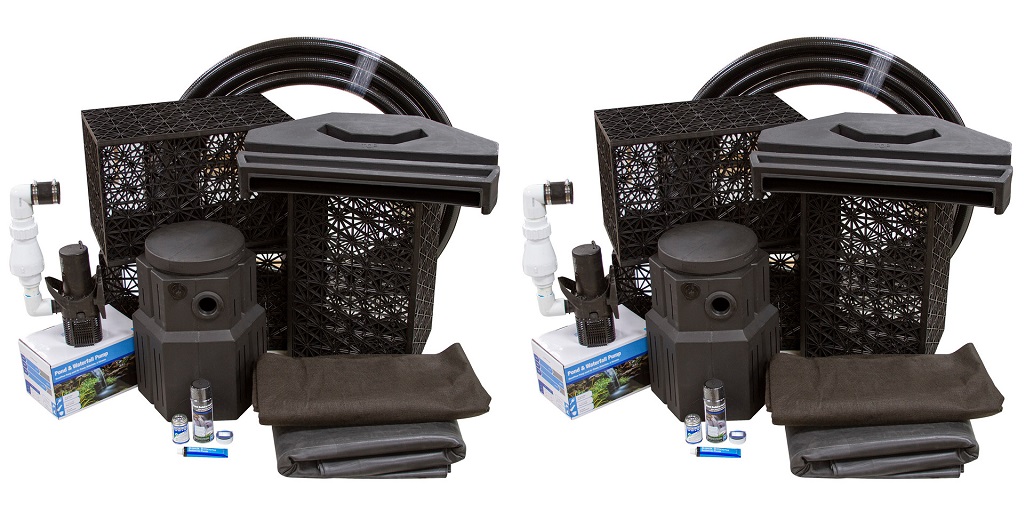
Whether your yard is expansive or barely bigger than a balcony, these features fit just about anywhere. The build is straightforward: dig a hole, line it, insert matrix boxes, cover with rock and gravel, and let the pump do the work. You’ll have a striking focal point without the drawn-out build time.

Low Maintenance, High Enjoyment

One of the main reasons homeowners shy away from water features is maintenance. With pondless waterfalls, that fear fades fast. You won’t be scrubbing algae, netting out leaves daily, or testing water chemistry. Just top off the water every so often to account for evaporation and clear away obvious debris. It’s an incredibly low-effort way to make your yard feel luxurious.

And because the system uses a pump in a concealed pump vault (also known as a Pump Canyon), it keeps everything out of sight, yet fully functional.

Built for the Modern Backyard

A well-designed yard doesn’t have to be complicated. Pondless waterfalls strike that balance between beauty and practicality. Whether you’re looking to enhance curb appeal, add a sensory element to your garden, or simply create a more peaceful outdoor experience, they’re a smart solution.

Best of all, these features don’t demand space you might not have. Compact setups are just as effective at creating atmosphere as larger installations. It’s all about customizing the look to your space and taste.

If you’re exploring ways to bring movement, sound, and serenity into your landscape, without the hassle, pondless waterfalls are worth serious consideration.

Explore pre-designed kits and accessories that simplify the process at Blue Thumb: where creating your own cascading water feature doesn’t have to come with steep learning curves or construction bills.

For more information about Muck Buster and Pond Cleaner Please visit: Blue Thumb.
How to Keep Your Subdivision Pond Free of Pond Muck All Year Round

Maintaining a pristine pond in a subdivision isn’t just about aesthetics—it’s about community pride and environmental health. Pond muck, the murky sludge that settles at the bottom, can quickly turn a beautiful water feature into a murky eyesore. But with the right preventive strategies and regular maintenance, keeping your subdivision pond muck-free all year round is not only possible, it’s practical.

Understanding What Causes Pond Muck

Pond muck is a natural accumulation of organic matter like leaves, grass clippings, fish waste, and algae. Over time, this debris settles to the bottom, decomposing and thickening into a dense, smelly sludge.


A lack of proper aeration, unchecked algae growth, and insufficient water circulation accelerate the buildup of muck. Once it starts accumulating, it doesn’t stop unless addressed. This not only affects the water’s clarity but also its health, making it less hospitable for fish and other aquatic life.

The Impact of Pond Muck on Community Spaces

Pond muck is more than just an unsightly inconvenience. It can create foul odors, disrupt aquatic ecosystems, and even pose a risk to local wildlife.


For communities, a neglected pond reflects poorly on the neighborhood’s upkeep and can reduce property values. Residents expect a beautiful, serene water feature—not a stagnant, murky swamp. Regular maintenance helps preserve not only the pond’s appearance but also its role as a relaxing community spot.

Preventive Measures for Reducing Pond Muck Accumulation

Preventing pond muck starts with proactive steps. Here are the most effective measures:

  • Aeration introduces oxygen into the water, preventing muck from settling and encouraging the breakdown of organic matter. It also limits algae growth, which is a primary contributor to muck.
  • Redirect runoff from lawns and gardens to prevent excess nutrients like phosphorus and nitrogen from entering the pond. These nutrients fuel algae blooms, which decompose into muck.
  • Trim nearby trees and clear grass clippings before they blow into the water. Regular skimming of leaves and plant matter also reduces organic buildup.
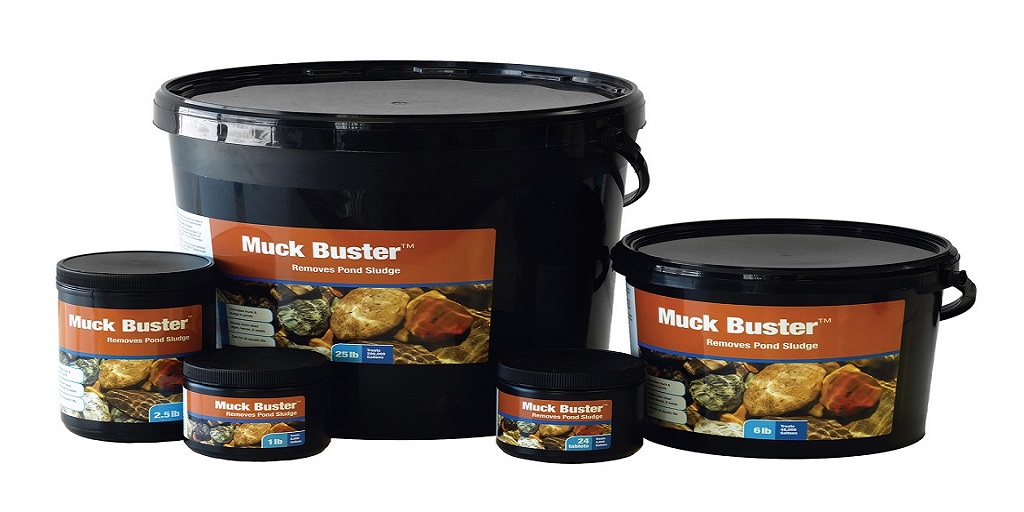
  • Specialized pond treatments can help break down organic material faster, preventing it from becoming muck. Regularly adding these treatments keeps the water clearer and reduces bottom sludge.

Seasonal Maintenance Tips for Artificial Ponds

Subdivision ponds require different types of maintenance depending on the season:

  • Spring: Begin with a deep clean. Skim the surface, remove leaves, and apply beneficial bacteria to jumpstart biological activity. Test water quality and adjust aeration systems.
  • Summer: Increase aeration during hot months to combat low oxygen levels. Skim debris regularly and apply algae treatments as needed to prevent blooms.
  • Fall: Clear fallen leaves frequently. Consider adding netting over the pond to catch debris before it settles. Reduce fish feeding as temperatures drop to prevent uneaten food from contributing to muck.
  • Winter: Maintain a hole in the ice to allow gases to escape. Aeration systems should continue running if temperatures permit to keep water moving and prevent ice buildup.

Effective Pond Muck Removal Solutions for HOAs

For Homeowners Associations (HOAs) managing subdivision ponds, regular upkeep is essential. Here are some effective solutions:

  • Dredging is the most effective way to remove large amounts of muck. While costly, it provides a fresh start by removing years of built-up sludge.
  • Pond vacuums can suck up muck without disturbing aquatic life. This is ideal for smaller ponds or targeted areas.
  • Adding natural bacteria and enzymes accelerates the decomposition of organic matter. This eco-friendly solution improves water clarity and reduces bottom sludge.
  • An old trick, barley straw can be placed in the pond to naturally combat algae, preventing it from decomposing into muck.

Taking preventive action and committing to seasonal maintenance not only keeps your subdivision pond clean but also enhances community pride. For superior pond water treatments and eco-friendly solutions, visit Blue Thumb and discover the right products to keep your pond pristine year-round.

For more information about Pondless Waterfalls and Large Pond Treatment Please visit: Blue Thumb