
https://fuelpumpexpress.com

Why Managing Pond Muck Matters More Than You Think for Big Backyard Owners

Pond muck is one of those things that sneaks up on even the most attentive backyard pond owner. At first, it’s just a little debris settling at the bottom. Over time, it turns into a thick layer of decomposed leaves, fish waste, algae, and other organic materials: something that not only looks bad but also affects the health and balance of your pond’s ecosystem.

For anyone with a large backyard, especially those who’ve invested time and resources into a beautiful pond feature, managing pond muck is a non-negotiable part of long-term maintenance.

What Is Pond Muck, Really?

Pond muck is the dark, slimy sludge that builds up at the bottom of ponds. It’s mostly organic matter in various stages of decomposition. In natural ponds, this layer is usually kept in balance through a mix of aquatic plants, insects, and microbial activity. In backyard ponds, especially larger ones that are often ornamental or stocked with fish, this balance can be harder to maintain without intervention.

The larger your pond, the more surface area there is for leaves, pollen, twigs, and algae to collect. That means more potential for muck. And if you’ve got trees nearby or a high fish load, the issue builds up fast.

Why Backyard Owners Should Care About Pond Muck

Let’s face it: most people don’t build a pond in their backyard just for utility. It’s about aesthetics, ambiance, and creating a slice of tranquility close to home. But when pond muck accumulates:

  • Water clarity decreases.
  • Foul odors develop.
  • Fish health declines.
  • Mosquito breeding increases.
  • Algae blooms become more frequent.

These aren’t just cosmetic issues. Muck can throw off the entire balance of your pond. Oxygen levels drop as the muck decomposes, and that stresses aquatic life. Suddenly, that peaceful backyard oasis turns into a maintenance headache.

Big Backyard = Bigger Responsibility

Larger properties often mean more extensive landscaping and with that comes more runoff, more organic debris, and more potential sources of muck. Bigger ponds may look stunning, but they also need a scaled-up approach to management.

Traditional methods like manual dredging aren’t just labor-intensive, they’re impractical for many backyard owners. Fortunately, products like natural muck reducers and beneficial bacteria treatments are designed to break down organic waste gradually and safely. These are particularly useful for homeowners who want a low-maintenance solution that won’t harm fish, plants, or visiting wildlife.

Smarter Design Can Help Prevent Muck Buildup

If you’re still in the design phase of your large backyard pond, consider layout choices that reduce muck accumulation from the start:

  • Add gravel or rock lining at the bottom to minimize organic accumulation.
  • Install aeration systems to keep water moving and oxygen levels stable.
  • Use pond skimmers and bottom drains to remove surface debris before it sinks.
  • Introduce beneficial plants like water lilies, cattails, and pickerelweed that naturally filter waste and outcompete algae.

Even if your pond is already established, incorporating some of these design tweaks retroactively can make muck control much easier over time.

Don’t Let Pond Muck Win

Large ponds deserve better than being overtaken by a thick layer of sludge. Keeping pond muck under control isn’t just about appearances: it’s about sustaining a healthy, low-maintenance aquatic environment that matches the scale and beauty of your backyard.

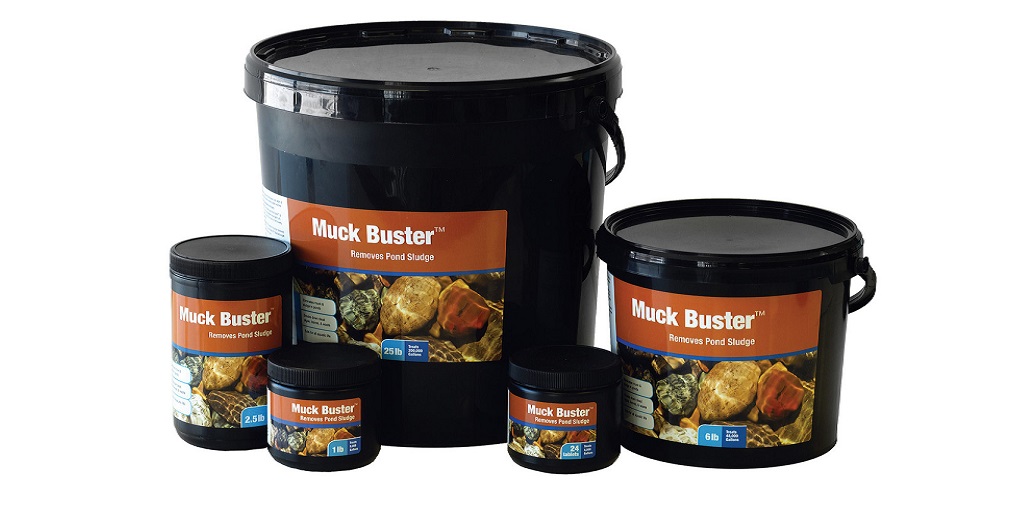
For anyone serious about outdoor living, investing in pond care products and proactive maintenance strategies can preserve that dream landscape. Homeowners can find a full range of tools, from muck removers to aeration kits, through trusted sources like Blue Thumb.

For more information about Sugar Kettle Fountain and Pondless Waterfall Kit Please visit: Blue Thumb.
How to Keep Your Subdivision Pond Free of Pond Muck All Year Round

Maintaining a pristine pond in a subdivision isn’t just about aesthetics—it’s about community pride and environmental health. Pond muck, the murky sludge that settles at the bottom, can quickly turn a beautiful water feature into a murky eyesore. But with the right preventive strategies and regular maintenance, keeping your subdivision pond muck-free all year round is not only possible, it’s practical.

Understanding What Causes Pond Muck

Pond muck is a natural accumulation of organic matter like leaves, grass clippings, fish waste, and algae. Over time, this debris settles to the bottom, decomposing and thickening into a dense, smelly sludge.


A lack of proper aeration, unchecked algae growth, and insufficient water circulation accelerate the buildup of muck. Once it starts accumulating, it doesn’t stop unless addressed. This not only affects the water’s clarity but also its health, making it less hospitable for fish and other aquatic life.

The Impact of Pond Muck on Community Spaces

Pond muck is more than just an unsightly inconvenience. It can create foul odors, disrupt aquatic ecosystems, and even pose a risk to local wildlife.


For communities, a neglected pond reflects poorly on the neighborhood’s upkeep and can reduce property values. Residents expect a beautiful, serene water feature—not a stagnant, murky swamp. Regular maintenance helps preserve not only the pond’s appearance but also its role as a relaxing community spot.

Preventive Measures for Reducing Pond Muck Accumulation

Preventing pond muck starts with proactive steps. Here are the most effective measures:

  • Aeration introduces oxygen into the water, preventing muck from settling and encouraging the breakdown of organic matter. It also limits algae growth, which is a primary contributor to muck.
  • Redirect runoff from lawns and gardens to prevent excess nutrients like phosphorus and nitrogen from entering the pond. These nutrients fuel algae blooms, which decompose into muck.
  • Trim nearby trees and clear grass clippings before they blow into the water. Regular skimming of leaves and plant matter also reduces organic buildup.
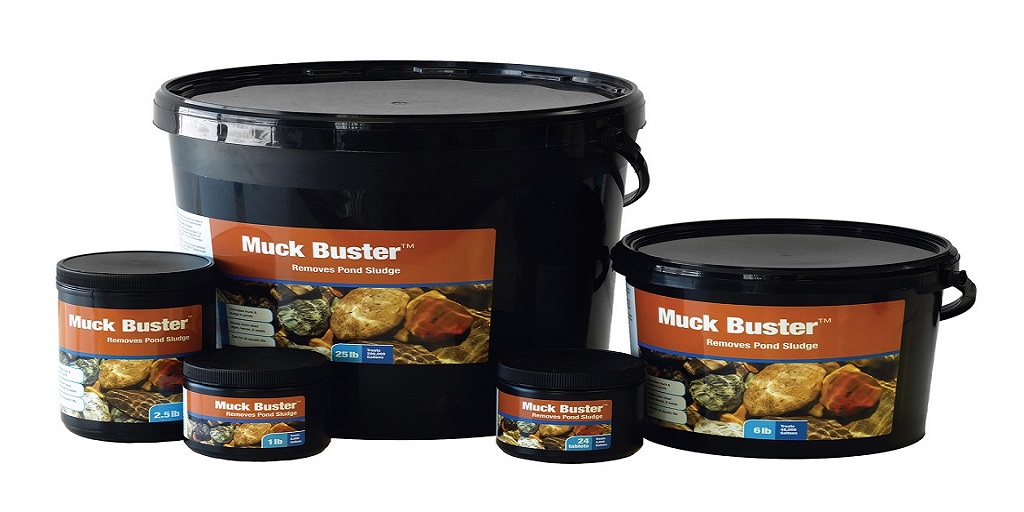
  • Specialized pond treatments can help break down organic material faster, preventing it from becoming muck. Regularly adding these treatments keeps the water clearer and reduces bottom sludge.

Seasonal Maintenance Tips for Artificial Ponds

Subdivision ponds require different types of maintenance depending on the season:

  • Spring: Begin with a deep clean. Skim the surface, remove leaves, and apply beneficial bacteria to jumpstart biological activity. Test water quality and adjust aeration systems.
  • Summer: Increase aeration during hot months to combat low oxygen levels. Skim debris regularly and apply algae treatments as needed to prevent blooms.
  • Fall: Clear fallen leaves frequently. Consider adding netting over the pond to catch debris before it settles. Reduce fish feeding as temperatures drop to prevent uneaten food from contributing to muck.
  • Winter: Maintain a hole in the ice to allow gases to escape. Aeration systems should continue running if temperatures permit to keep water moving and prevent ice buildup.

Effective Pond Muck Removal Solutions for HOAs

For Homeowners Associations (HOAs) managing subdivision ponds, regular upkeep is essential. Here are some effective solutions:

  • Dredging is the most effective way to remove large amounts of muck. While costly, it provides a fresh start by removing years of built-up sludge.
  • Pond vacuums can suck up muck without disturbing aquatic life. This is ideal for smaller ponds or targeted areas.
  • Adding natural bacteria and enzymes accelerates the decomposition of organic matter. This eco-friendly solution improves water clarity and reduces bottom sludge.
  • An old trick, barley straw can be placed in the pond to naturally combat algae, preventing it from decomposing into muck.

Taking preventive action and committing to seasonal maintenance not only keeps your subdivision pond clean but also enhances community pride. For superior pond water treatments and eco-friendly solutions, visit Blue Thumb and discover the right products to keep your pond pristine year-round.

For more information about Pondless Waterfalls and Large Pond Treatment Please visit: Blue Thumb