
Applications of Plate Compactors in Landscaping & Driveways
When it comes to achieving a firm and stable surface in outdoor projects like landscaping or driveways, few tools are as effective as the Plate Compactor. This powerful piece of light construction equipment ensures that the soil, gravel, sand, or pavers are well-settled and level, preventing future surface damage or collapse. Whether you are a homeowner, contractor, or construction company, understanding the applications of plate compactors can help you improve project quality and long-term durability.
In this blog, we’ll explore how plate compactors are used in landscaping and driveway construction, the benefits they bring, and tips for choosing the right equipment.
🔧 What is a Plate Compactor?
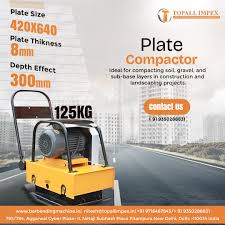
A Plate Compactor is a construction tool used to compress and level soil, gravel, sand, and asphalt through high-frequency vibrations. The machine features a heavy, flat steel plate that repeatedly vibrates and moves over the ground, compacting the material below. Plate compactors come in various types – forward plate compactors, reversible plate compactors, and heavy-duty models, each suitable for specific ground conditions.
🌿 Plate Compactors in Landscaping Projects
Landscaping requires a perfect balance between design, structure, and durability. Here’s how plate compactors help landscapers achieve a flawless outdoor surface:
1. Soil Preparation for Lawns and Gardens
Before laying turf or planting flower beds, it’s essential to compact the subsoil. Loose soil can lead to uneven lawns, waterlogging, and root damage. Plate compactors ensure:
- Soil remains firm and level
- Better drainage
- Stronger root anchorage for plants
2. Compacting Gravel Paths
Gravel walkways and garden paths must be solid underfoot. A plate compactor compresses the gravel layers uniformly, making the path resistant to movement, displacement, and erosion.
3. Paver Installation in Patios
Laying patio pavers without compaction leads to uneven surfaces and shifting. Plate compactors ensure:
- Even bedding sand distribution
- Proper paver interlock
- Reduction of air gaps beneath the pavers
4. Retaining Wall Base Compaction
For landscaping walls or garden edges to stay intact, the base needs to be well-compacted. Plate compactors are ideal for compacting the gravel or crushed stone beneath the wall footing.
🛣️ Plate Compactors in Driveway Projects
Driveways are exposed to constant vehicle traffic, weather fluctuations, and load-bearing stress. Improperly compacted surfaces can cause potholes, cracks, and subsidence. Here’s how plate compactors come into play:
1. Sub-Base Compaction
Before laying asphalt, concrete, or interlocking pavers, the sub-base must be firm. Plate compactors help compact crushed stone or granular material to ensure:
- Structural stability
- Even load distribution
- Prevention of future cracks
2. Paver Driveways
Paver driveways are gaining popularity due to their aesthetics and ease of repair. Plate compactors help by:
- Compacting bedding sand after laying pavers
- Ensuring pavers settle evenly
- Enhancing the interlock effect for better durability
3. Asphalt Driveway Projects
For asphalt driveways, compactors help compact the hot mix asphalt surface, ensuring:
- Smooth finish
- Elimination of air pockets
- Improved surface longevity
⚙️ Benefits of Using Plate Compactors in These Applications
Whether in a residential landscape or a commercial driveway, using a plate compactor offers multiple benefits:
✅ Increased Surface Stability
Compacted ground reduces the chances of shifting or settling, ensuring long-term durability.
✅ Prevention of Water Damage
Proper compaction allows water to drain efficiently, preventing pooling and erosion.
✅ Improved Aesthetic Appeal
An even and firm surface enhances the overall look of your driveway or landscape area.
✅ Cost-Effective Construction
Avoiding rework, paver adjustment, or structural failure saves time and money.
🏭 Choosing the Right Plate Compactor
If you’re a contractor or landscaper, selecting the right Plate Compactor Suppliers or Plate Compactor Manufacturers is crucial. Here are a few tips:
- For Landscaping: Choose forward plate compactors for smaller areas. Lightweight, maneuverable models are ideal for gardens and patios.
- For Driveways: Opt for reversible or heavier-duty plate compactors that offer deeper and more forceful compaction.
- Engine Type: Petrol and diesel models are common—pick based on noise limits, fuel availability, and work duration.
- Vibration Frequency: Higher vibration frequency allows better compaction of granular materials.
Look for suppliers that offer after-sales service, spare parts availability, and user training.
🛠️ Expert Tips for Effective Plate Compaction
- Moisten the Soil: Slightly wetting the soil or gravel before compaction helps achieve better results.
- Compact in Layers: Compact in 2-4 inch layers for effective depth compaction.
- Use Edge Guards for Pavers: To avoid damaging delicate pavers, use a compactor fitted with a protective mat.
- Work in Overlapping Passes: Ensures every section is evenly compacted without gaps.
🔍 Conclusion
From preparing garden beds to laying a flawless paver driveway, plate compactors play a vital role in landscaping and driveway projects. They provide a stable, long-lasting base that enhances both the aesthetic and structural value of your property.
Whether you’re a DIY enthusiast or a seasoned contractor, investing in a quality machine from trusted Plate Compactor Manufacturers or Plate Compactor Suppliers ensures that your outdoor spaces stand the test of time.
Looking for the right Plate Compactor for your project? Consult a reliable supplier today and get expert advice on machine selection, usage, and maintenance.