
When and Why to Replace Your Cummins Engine Mounts
The Cummins engine is known for its incredible power, torque, and long-lasting durability. Whether you’re running a 5.9L 12-valve, 24-valve, or the newer 6.7L, the engine is built to last. However, one component often overlooked during maintenance or engine swaps is the engine mount. These relatively small parts play a huge role in keeping your Cummins engine properly positioned and isolated from vibration and noise. Over time, engine mounts can wear out, leading to performance and drivability issues. Knowing when and why motor mount replacement is crucial for maintaining a smooth, safe, and efficient ride.
What Do Engine Mounts Do?
Engine mounts (also called motor mounts) serve several essential functions:
1. Secure the engine to the vehicle’s frame or subframe
2. Absorb engine vibration and reduce cabin noise
3. Allow controlled movement under engine torque and load
4. Protect the drivetrain from excessive movement or misalignment
Most Cummins-powered trucks or conversion builds use rubber, polyurethane, or hydraulic engine mounts, depending on performance needs and comfort preferences.
When Should You Replace Cummins Engine Mounts?
Engine mounts are typically built to last between 60,000 to 100,000 miles, but this varies based on how you drive, the condition of your roads, and whether you’re towing heavy loads or using the vehicle off-road. Here are key signs that your Cummins motor mounts may need replacing:
1. Excessive Vibration
If you start to feel strong engine vibrations inside the cab, especially at idle, that’s often a sign that the rubber in the mount has deteriorated or cracked. Cummins engines are inherently powerful and can produce more vibration than smaller gasoline engines, making worn mounts even more noticeable.
2. Clunking or Banging Noises
Unusual clunks or bangs when shifting gears, accelerating, or braking could indicate the engine is shifting excessively within the engine bay. Damaged mounts allow the engine to rock more than it should, causing metal-to-metal contact and putting stress on other components like the exhaust system or driveshaft.
3. Engine Misalignment
Over time, worn mounts can cause the engine to sag or tilt out of alignment. This can lead to strain on the transmission, driveline, and even cause issues with belts and hoses. During a visual inspection, any engine that looks “tilted” or off-centre should be checked for mount failure.
4. Physical Wear or Leaks
Cracked, collapsed, or leaking hydraulic mounts are a clear sign it’s time for a replacement. If you’re performing a Cummins swap into another vehicle (e.g., Ford or Chevy), inspect the condition of existing mounts before installation.
5. Upgraded Power or Performance
If you’ve increased your Cummins engine’s horsepower or torque significantly through tuning, compound turbos, or fuel upgrades, your factory mounts might not be up to the task. In this case, it’s wise to upgrade to heavy-duty or polyurethane mounts that can handle the added stress.
Why Is It Important to Replace Worn Engine Mounts?
Ignoring bad engine mounts can lead to serious mechanical problems and unsafe driving conditions. Here’s why timely replacement is essential:
1. Protects Your Drivetrain
A moving or sagging engine can misalign the transmission, cause driveshaft issues, or place stress on motor-related components like the turbo, intercooler piping, and wiring harnesses.
2. Reduces Vibrations and Noise
A good motor mount ensures your Cummins-powered truck or converted vehicle doesn’t feel like it’s falling apart at idle. A smoother, quieter ride enhances comfort and reduces wear on other cabin components.
3. Enhances Safety
Broken mounts can lead to dangerous situations where the engine shifts drastically under torque, especially during heavy acceleration or emergency braking. This can cause loss of control or even damage to the vehicle’s frame.
4. Maintains Proper Engine Function
Engine mounts also help maintain proper throttle response and fuel efficiency by keeping the engine aligned and stable under load. An engine that moves too much can interfere with sensor accuracy and drivetrain geometry.
Replacement Options: OEM vs. Aftermarket
When replacing Cummins motor mounts, you have several options:
1. OEM Rubber Mounts: Best for daily drivers and stock power setups. They offer comfort and minimal vibration but may wear out faster under heavy loads or performance upgrades.
2. Polyurethane Mounts: Ideal for performance builds or engine swaps. They offer increased strength and durability, though they may transfer more vibration into the cabin.
3. Solid Mounts: Mostly used in racing or off-road-only applications. They eliminate all engine movement but are not practical for street driving due to harshness and noise.
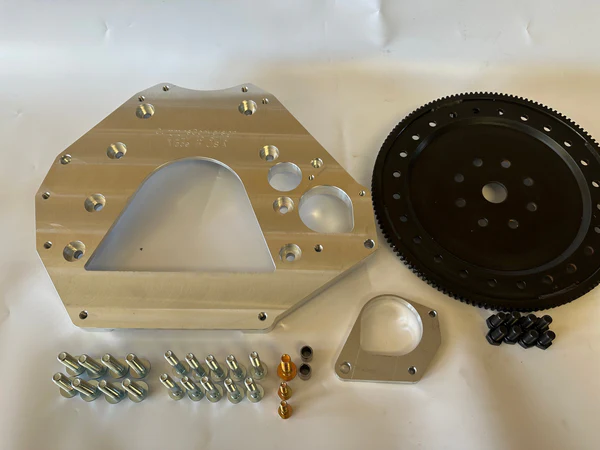
4. Custom Mount Kits: Many companies offer complete Cummins motor mount kits designed for specific swap applications (e.g., Cummins to Ford or GM). These are engineered for fitment, strength, and ease of installation.
Final Thoughts
Your Cummins engine may last a million miles, but its mounts won’t. Replacing worn or inadequate motor mounts is essential for preserving performance, safety, and comfort, especially in high-torque diesel setups or custom conversions. If you’re noticing symptoms like increased vibration, engine movement, or strange noises, don’t ignore them. Check your mounts and upgrade if needed.
Whether you’re maintaining a workhorse Dodge Ram or building a Cummins-powered Ford Super Duty, investing in the right engine mounts will keep your diesel beast running smoothly and reliably.