
https://fuelpumpexpress.com

Mold Solution vs. Enzyme Concentrate: What’s the Difference?

When it comes to maintaining a clean, healthy indoor environment, especially in homes affected by mold, choosing the right product can make all the difference. Among the many options available, mold solution concentrates and enzyme cleaner concentrates often top the list due to their natural ingredients and impressive results.

However, despite their similar goals of mold control and surface cleaning, these two products serve different primary purposes, contain unique formulations, and work through very different mechanisms.

So what differentiates mold solution concentrate from an enzyme cleaner concentrate? Let’s compare.

Purpose and Primary Function

One of the most significant differences between a mold solution concentrate and an enzyme cleaner concentrate lies in their intended use.

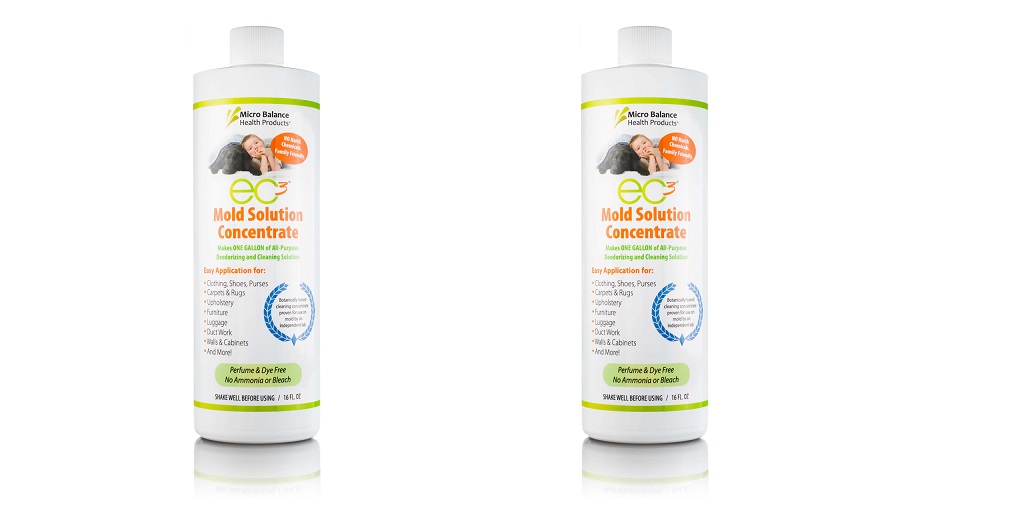
A mold solution concentrate, such as Micro Balance Health Products’ EC3 Mold Solution Concentrate, is specifically formulated to reduce the overall mold load in your environment. Its primary role is to neutralize airborne mold spores and clean hard and soft surfaces without introducing any harmful chemicals.

It’s a proactive product designed to help maintain low mold levels throughout your indoor space, acting more as a treatment against invisible contaminants rather than just visible dirt or grime.

In contrast, an enzyme cleaner concentrate is designed for deep, physical cleaning. It’s particularly effective for breaking down organic matter like grease, grime, urine, and mold-related debris.

It goes beyond surface cleaning by digesting the organic binding material that holds dirt and stains together. While it also addresses mold and mycotoxins, its main focus is cleaning and stain removal rather than ongoing environmental mold management.

Active Ingredients and Mechanism of Action

The differences in ingredients between these two concentrates further highlight their distinct functions.

The EC3 Mold Solution Concentrate is  powered by a proprietary blend of citrus seed extracts. These natural botanicals are chosen specifically for their antifungal and antimicrobial properties, allowing them to reduce the mold spore count without leaving behind toxic residues.

The product works by being sprayed or misted into the air and onto surfaces, allowing it to neutralize mold spores and bacteria floating in your environment. Once settled, the debris can be physically removed with a HEPA vacuum.

On the other hand, enzyme cleaner concentrates rely on biological enzymes to do the heavy lifting. These enzymes actively break down and dissolve organic matter on contact. This includes grease, urine, protein-based stains, and mold-related grime.

The enzymatic reaction effectively “eats away” at the source of odors and stains, making it especially useful for deeply embedded materials or areas like drains and porous surfaces. While it also contains citrus seed extracts for added mold-fighting power, its cleaning action is rooted in enzymatic digestion rather than antimicrobial misting.

Surface Applications and Material Safety

Both products are safe to use on a wide variety of surfaces, but their applications differ based on their composition and goals.

The mold solution concentrate excels at treating both hard and soft surfaces—think countertops, floors, carpets, drapes, and upholstery. Because it’s non-toxic and doesn’t contain harsh chemicals, it’s safe for use around children and pets.

It’s particularly effective in controlling musty smells on non-washable textiles and furniture and can be used regularly as part of a mold remediation or prevention protocol.

The enzyme cleaner concentrate is just as versatile but leans more toward heavy-duty cleaning. It’s ideal for removing sticky, greasy, or odorous stains from a wide array of surfaces, including kitchen counters, bathrooms, fabrics, and even drains.

It works especially well when diluted in warm-hot water to activate the enzymes fully. It’s also non-toxic, biodegradable, and free from perfumes or dyes, which means it’s just as safe as the mold solution for people, pets, and the environment.

Know What You Need for Mold Control and Remediation

Over time, using the right product can contribute significantly to your indoor air quality and overall home health. The best way to choose a product is the knowledge of their function and how it can help you prevent mold in your home.

For more information about Igg Supplement and Sanitizer Fogger Please visit: Micro Balance Health Products.

Detoxing from Mold with Supplements

Many people suffer from migraines, colds, allergies, and even body aches and pains. Sometimes these are common signs of a cold or infection, but sometimes they are more insidious because they can be signs of mold exposure.

And mold exposure can be more dangerous than your regular cold or flu. Mold exposure can be dangerous due to its potential to trigger allergic reactions, respiratory issues, and long-term health complications. Mold releases spores and mycotoxins, which, when inhaled, can irritate the airways, causing coughing, sneezing, and congestion.

In sensitive individuals or those with weakened immune systems, exposure may lead to asthma, chronic sinusitis, or more severe lung infections. Prolonged exposure to toxic mold can also result in fatigue, cognitive difficulties, skin irritation, and headaches.

For individuals with mold sensitivities, these symptoms can significantly impact quality of life. So what can you do to detoxify your body from mold and its negative effects?

Signs and Symptoms of Mold Exposure

Mold allergies often present with common symptoms such as sneezing, runny or stuffy nose, coughing, and itchy eyes. However, there are several less obvious symptoms that individuals may experience, making mold allergies difficult to identify. These unsuspecting symptoms include:

Skin Irritation

Exposure to mold can lead to dry, scaly skin or rashes. Some individuals may develop hives or experience itching without an apparent cause.

Headaches and Migraines

Mold exposure can trigger headaches or migraines, particularly in individuals sensitive to environmental factors.

Fatigue and Weakness

Chronic exposure to mold may result in persistent fatigue or feelings of weakness, even without significant physical exertion

Cognitive Difficulties

Some people report experiencing memory issues or difficulty concentrating, which can be attributed to prolonged mold exposure.

Sinus Congestion and Postnasal Drip

Beyond typical nasal symptoms, mold allergies can cause chronic sinus congestion and postnasal drip, leading to throat irritation and coughing.

Recognizing these subtle symptoms is crucial for early intervention and management of mold allergies. If you experience any of these symptoms persistently, especially in environments prone to mold growth, it is advisable to consult a healthcare professional for proper evaluation and testing.

Supplements for Mold Detoxification

In addition to medical treatments, incorporating mold detox supplements can play a supportive role in improving immunity and aiding recovery from mold exposure. These supplements often contain ingredients aimed at enhancing the body’s natural detoxification processes and bolstering the immune system. Key components include:

  • Glutathione

Known as a powerful antioxidant, glutathione assists in breaking down and removing mycotoxins from the body, while also protecting cells from oxidative stress.

  • Activated Charcoal

This substance is believed to bind to certain toxins, potentially aiding in their removal from the body. While more research is needed to confirm its efficacy in mold detoxification, some detox protocols include activated charcoal for its binding properties.

  • N-Acetylcysteine (NAC)

NAC supports the production of glutathione and may help in reducing oxidative stress caused by mold toxins.

  • Phosphatidylcholine (PC)

This is a vital phospholipid in cell membranes, ensuring nutrient exchange, waste removal, and cellular function. It supports brain health by aiding acetylcholine production for memory and mood. PC protects the liver from toxins and helps repair damage from mold mycotoxins, reducing oxidative stress and preventing neurological disorders.

It’s important to note that while these supplements can support the body’s natural defenses, they should complement, not replace, standard medical treatments for mold exposure. And before starting any new supplement regimen, especially for detoxification purposes, it’s best to consult with a healthcare provider as it is essential to ensure safety and appropriateness based on individual health conditions.

Being aware of the less obvious symptoms of mold allergies can lead to earlier diagnosis and intervention, improving overall health outcomes. Adding mold detox supplements with specific nutrients suitable to your condition may aid in detoxification and immune support, but professional medical advice should always guide such interventions.

For more information about Mold Solution and Nasal Spray For Fungal Sinusitis Please visit: Micro Balance Health Products.