How to Remove Mold Spores from Your Pet
Mold spores can easily latch onto your pet’s fur whether they’ve been exposed to mold inside your home or simply from outdoor play. Unlike humans, pets are constantly in contact with ground surfaces, foliage, and other environments where mold thrives.
Dogs that go outside to relieve themselves, cats that roam the yard, or even small animals that live indoors can all carry mold spores into your living space. Left unchecked, these spores can not only spread throughout your home but also potentially affect both your pet’s and your family’s health.
Why Pets Are Mold Carriers
Mold exposure for pets doesn’t always stem from a major mold event inside your house. Mold spores are airborne and exist naturally outdoors. When your dog rolls in the grass or your cat explores the yard, they pick up spores that cling to their fur, paws, and even under their nails. These microscopic hitchhikers travel indoors with your pet and can settle into carpets, furniture, and bedding.
Even if you maintain a mold-free home, your pet’s exposure to outdoor environments can still bring spores inside. In cases where there’s been a significant indoor mold infestation, pets can become heavily contaminated. Addressing this requires a thorough decontamination process that includes their fur, bedding, and living spaces.
Basic Prevention Measures
For pets that frequently go outside, prevention starts before they even cross the threshold. Brushing your pet’s fur helps dislodge mold spores and debris. Following up with a damp cloth wipe-down can catch remaining spores before they enter your home.
Pay close attention to your pet’s paws and keep their nails trimmed since mold and dirt can get trapped under long nails.
Washing your pet’s bedding weekly is another critical step. Spores easily transfer to soft surfaces, so regular laundering with a mold-specific additive can reduce contamination. Certain laundry additives are independently lab-tested to eliminate both mold spores and mycotoxins, making them highly effective in keeping your pet’s environment clean.
After washing, you can also spray their beds and the surrounding surfaces with a mold solution spray. This can remediate mold spores not only on your pet’s beddings, but also from the surrounding areas.
Intensive Mold Decontamination for Pets
When pets have been exposed to a significant mold event, more aggressive decontamination may be necessary. One option is to shave pets with fur thick enough to harbor large amounts of spores, like dogs and cats.
Shaving removes most of the fur where spores reside and allows easier access to the skin for subsequent cleaning. This step isn’t suitable for all animals; smaller pets like rabbits, guinea pigs, or hamsters can be harmed by shaving, so alternative methods should be used for them.
After shaving, a specialized bath is the next step. Some pet owners have resorted to using diluted ammonia baths because ammonia can neutralize certain mycotoxins. However, this method carries risks.
Ammonia must never come into contact with a pet’s eyes, ears, or mouth, and the solution must be mixed with non-chlorinated water to prevent hazardous chemical reactions. This method typically requires two people to safely administer.
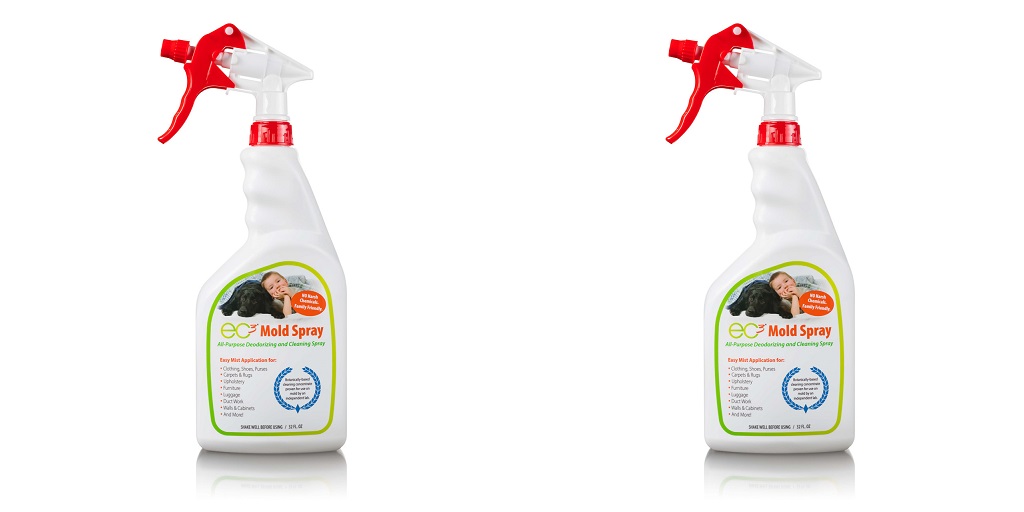
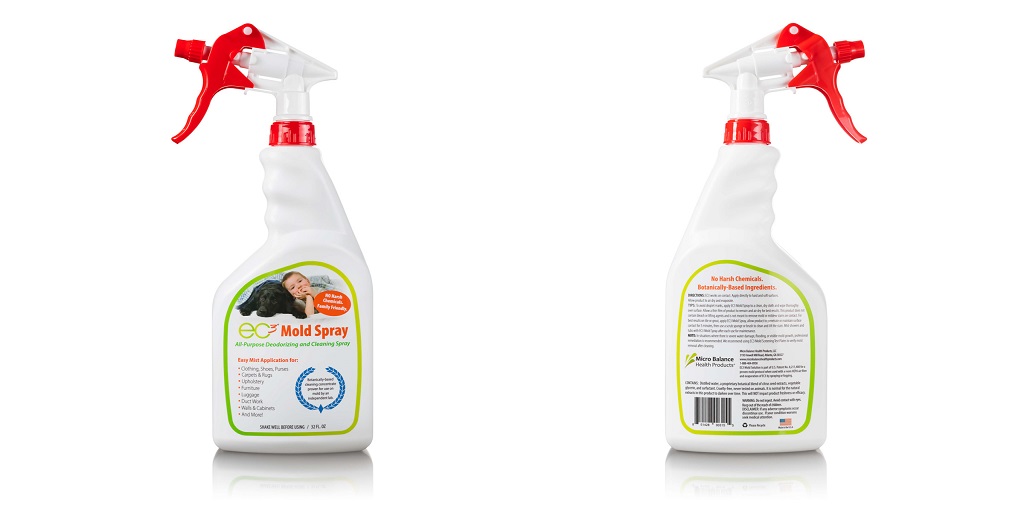
For most pet owners, though, safer and equally effective alternatives exist. One standout option is using EC3 Mold Solution Spray. Unlike ammonia, EC3 Mold Spray is non-toxic and specifically formulated for mold remediation.
It can safely be applied to your pet’s fur, paws, and even bedding. EC3’s plant-based ingredients target mold spores without introducing harsh chemicals that could irritate your pet’s skin or respiratory system. Because it’s designed for mold-sensitive environments, it’s ideal for both routine prevention and intensive decontamination after mold exposure.
Follow-Up and Maintenance
After decontamination, ongoing maintenance is crucial. Even after heavy mold exposure, it’s wise to bathe your pet every few days for several weeks to capture any lingering spores that may be released as fur grows back.
In cases of internal mold illness, some pet owners choose to introduce natural binders into their pet’s diet to help eliminate any internalized mycotoxins, but this should always be done under the guidance of a veterinarian.
Finally, some owners choose to temporarily isolate pets during remediation in a contained, easy-to-clean area like a laundry room or bathroom. Others, with diligent cleaning and preventative care, keep their pets integrated into their daily living spaces without issue.
You Can Safely Make Your Pets Mold-Free
Removing mold spores from your pet’s fur requires a multi-step approach: prevention, thorough decontamination, and ongoing maintenance. Non-toxic solutions like EC3 Mold Solution Spray offer an effective and pet-friendly way to keep mold spores at bay. Regular grooming, cleaning, and use of targeted products can help protect both your pet’s health and your home environment.
For more information about Igg Supplement and Mold Defogger Please visit: Micro Balance Health Products.