Why It’s So Hard to Get Rid of Mold
Mold is a stealthy, stubborn presence in many households—creeping into the corners, growing behind walls, and thriving in damp, forgotten spaces. While most of us recognize it by its telltale fuzz or musty smell, mold is far more complex and resilient than it seems.
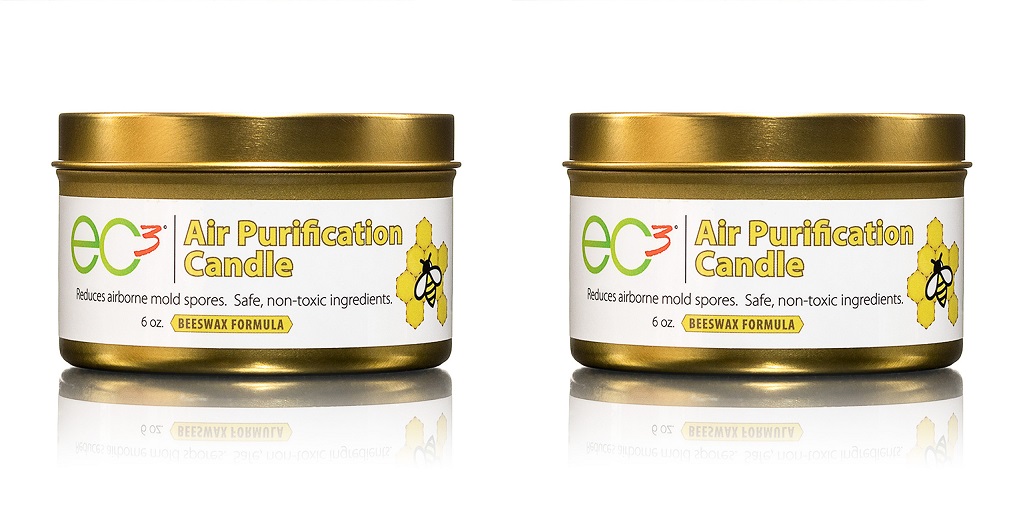
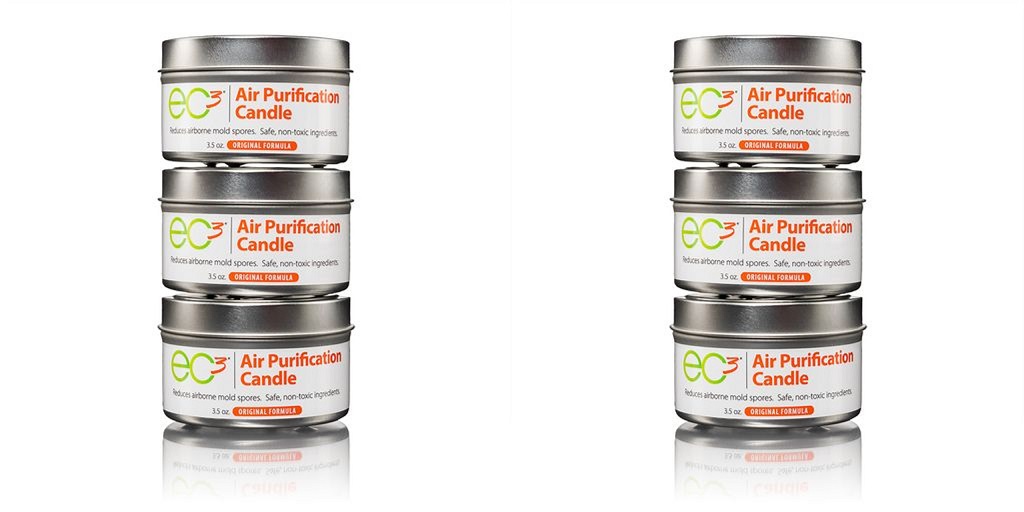
Interestingly, one lesser-known strategy to reduce mold spores in indoor air involves lighting specially formulated anti mold candles. But how exactly does this work—and why is mold so difficult to remove in the first place?
Here’s how something as simple as lighting a candle might help keep your air clean and your health intact.
A Fungus Among Us
Whether we like it or not, mold is everywhere—inside, outside, and even floating invisibly in the air we breathe. It’s a type of fungus made up of microscopic threads called hyphae, which branch out and dig deep into whatever it’s growing on.
Mold comes in many varieties—some helpful, like the strain used to make penicillin, and others dangerous, like black mold, which can release airborne toxins harmful to human health. Even molds that don’t produce toxins can be potent allergens, triggering asthma, skin irritation, or respiratory issues. That’s why controlling mold growth is about more than aesthetics—it’s a matter of health.
Why Mold is So Hard to Remove
One word: spores. Mold reproduces using spores—tiny, invisible particles that float freely through the air, settle on surfaces, and sprout new colonies when conditions are right. A single mold patch can generate hundreds of thousands of these airborne spores. That’s why mold remediation can feel like trying to catch smoke with your bare hands.
What makes spores especially troubling is their resilience. They’re not only microscopic, but they can also survive extreme conditions. Even if you scrub down a moldy surface, the spores may already have drifted to another part of your home, ready to take root in moist drywall, behind wallpaper, or under your sink.
And mold isn’t picky. While it’s famous for growing on bread or fruit, it also thrives on seemingly non-food items—like the paper backing of drywall, soap residue in bathrooms, or even skin cells that collect on bedding and carpet. Add a little moisture, and you’ve got the perfect breeding ground.
What Anti-Mold Candles Can Do
Enter anti-mold candles—an unconventional but surprisingly effective weapon in the fight against indoor mold. These candles are usually infused with a blend of 4 different citrus seed extracts known for their antifungal properties.. When burned, the heat disperses these active ingredients into the air, where they can interact with airborne mold spores.
Here’s how it works: the extracts released from the candle don’t just freshen the room; they create an environment that disrupts mold spore activity. These extracts contain compounds that can damage the cell walls of fungi or inhibit spore germination, rendering them inactive and unable to proliferate.
Over time, regular use of these mold candles in enclosed areas like bathrooms, basements, or closets can reduce the number of viable mold spores in the air—lowering the risk of outbreaks.
Now, don’t mistake these candles for a cure-all. They’re not a substitute for fixing leaks, improving ventilation, or dehumidifying damp areas. But as part of a broader mold prevention strategy, anti-mold candles can play a helpful role, especially in spaces where you spend the most time.
You Need a Multi-Pronged Strategy
While anti-mold candles are a neat trick, defeating mold requires a full-on strategy. That means addressing all the factors that mold loves—moisture, darkness, still air, and organic material. Here’s what a comprehensive mold prevention plan looks like:
- Control Moisture
Use dehumidifiers in damp areas, repair leaks promptly, and keep indoor humidity below 50%.
- Increase Airflow
Use fans, open windows, and keep furniture away from walls to prevent moisture build-up.
- Clean Regularly
Mold feeds on dust, skin cells, and soap scum. Regular cleaning deprives it of fuel.
- Use Mold-Resistant Products
In areas prone to dampness, opt for mold-resistant drywall and paints.
- Monitor Indoor Air Quality
Air purifiers with HEPA filters can trap spores and allergens, improving air quality significantly.
When combined, these strategies can keep mold from taking over your living space. And lighting a candle? That’s the cherry on top—a simple ritual that not only sets a relaxing mood but also helps purify the air.
For more information about Mold Defogger and Igg Supplement Please visit: Micro Balance Health Products.