Log Burner Flue Kit – Complete Guide to Safe & Compliant Flue Systems in Australia
Installing a log burner—whether in a rural home, modern cabin, or off-grid setup—is one of the most rewarding ways to add warmth, ambiance, and heating efficiency. However, without a properly designed and installed log burner flue kit, you risk poor performance, dangerous smoke backflow, and non-compliance with Australian safety standards.
In Australia, where bushfire safety, ventilation codes, and building regulations (AS/NZS 2918) are strict, using a certified log burner flue kit is not just a recommendation—it’s essential.
What Is a Log Burner Flue Kit?
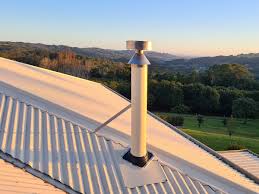
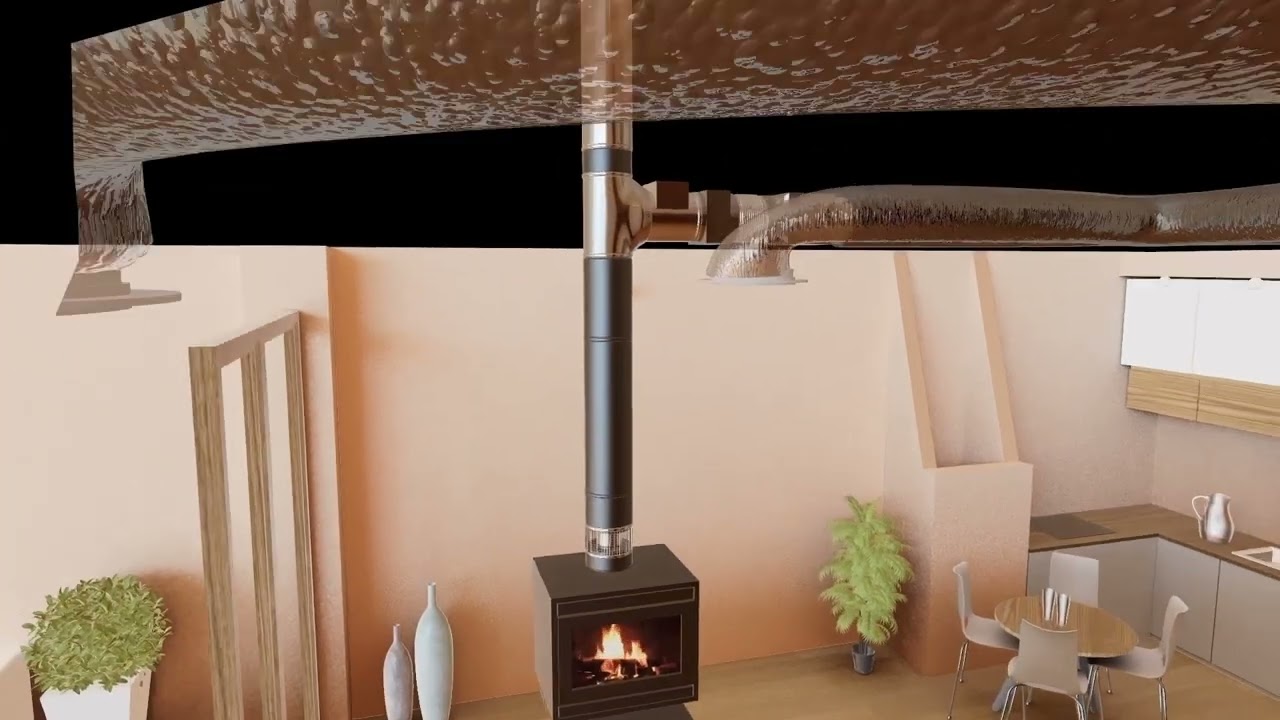
A log burner flue kit is a pre-configured system of pipes and components that channel smoke and combustion gases safely from the log burner’s firebox to the outside atmosphere. These kits are designed for both indoor and outdoor log burner installations, offering everything needed for a safe, code-compliant flue system.
✅ A Standard Log Burner Flue Kit Includes:
- Stainless steel flue pipes (single, double, or triple wall)
- Flue spigot / starter cone
- Roof or wall flashing kit
- Ceiling ring / radiation shield
- Storm collar / sealant
- Cowl or rain cap
- Support brackets and fixings
These components work together to ensure optimal draft, minimal smoke leakage, and fire-safe clearance from combustible materials.
Where Are Log Burner Flue Kits Used?
| Application | Installation Type | Flue Recommendation |
|---|---|---|
| Rural & Farm Homes | Through-roof | Double wall or triple wall |
| Tiny Homes & Off-grid Cabins | Vertical or angled | Twin wall insulated flue |
| Modern Living Rooms | Through-ceiling & roof | Sleek black painted flue kits |
| Outdoor Fireplaces & Log Burners | Wall-mounted or freestanding | Stainless steel single wall |
Flue Kit Options by Pipe Type
🔹 Single Wall Flue
- Used inside rooms for visible vertical sections
- Requires larger clearances (up to 450mm)
- Inexpensive but radiates more heat
🔹 Double Wall Insulated Flue
- Two layers of stainless steel with air gap insulation
- Lower clearance (25–100mm)
- Ideal for ceilings, attics, and confined spaces
🔹 Triple Wall Flue
- Premium flue option with added insulation
- Superior fire protection
- Recommended for bushfire-prone and cold-weather regions
Choosing the Right Flue Diameter
Correct sizing is crucial for effective smoke draw and stove performance.
| Log Burner Size | Recommended Flue Diameter |
|---|---|
| Small (4–6kW) | 125mm – 150mm |
| Medium (6–10kW) | 150mm – 175mm |
| Large (10kW+) | 175mm – 200mm |
Note: Australian regulations require a minimum flue height of 4.6m above floor level, or 600mm above the roof ridge for proper draft.
Compliance with Australian Standards (AS/NZS 2918)
To ensure legal and safe installation, your flue kit must comply with the AS/NZS 2918:2018 standard, which governs:
- Clearance distances from combustibles
- Ceiling and roof penetration safety
- Approved materials for flue components
- Support and bracing requirements
- Use of certified flue kits and spacers
Non-compliant installations may void insurance policies and pose serious fire hazards.
Best Log Burner Flue Kit Suppliers in Australia
You can find certified flue kits from these trusted Australian retailers:
- Pivot Stove & Heating
- The Fire Factory
- Scandia Heating
- Euro Fireplaces Australia
- Bunnings Warehouse
- Barbeques Galore
Look for:
- AS/NZS certified kits
- Stainless steel or high-heat black coatings
- Complete mounting hardware and instructions
- Support for vertical or horizontal flue runs
Maintenance & Safety Tips
- Clean your flue every 6–12 months to remove soot and creosote
- Use dry, seasoned wood to reduce smoke and carbon buildup
- Check flashing and seals for leaks after storms
- Install a flue thermometer to monitor operating temperatures
- Replace rain caps or cowls if they show signs of rust or deformation
FAQ: Common Questions About Log Burner Flue Kits
Q: Do I need a professional to install a log burner flue kit?
A: Yes. For insurance and safety compliance, flue systems must be installed by a licensed professional or under supervision.
Q: Can I run a flue through a wall instead of the roof?
A: Yes, but this requires elbows, wall thimbles, and added insulation—costs and complexity increase.
Q: What is the difference between a stove pipe and a flue pipe?
A: A stove pipe is the section inside the room, while a flue pipe continues the smoke venting outside and through the roof or wall.
Conclusion
A log burner is more than a source of heat—it’s a long-term investment in comfort and lifestyle. But without a certified, correctly installed flue system, it can become a liability.
Choosing the right log burner flue kit ensures:
- Efficient draft and performance
- Compliance with Australian safety standards
- Minimal maintenance and long service life
- Reduced risk of fire and smoke hazards
Whether you’re upgrading your existing burner or building a new one from scratch, always opt for Australian-certified flue kits, premium stainless steel or black enamel finishes, and professional installation.