
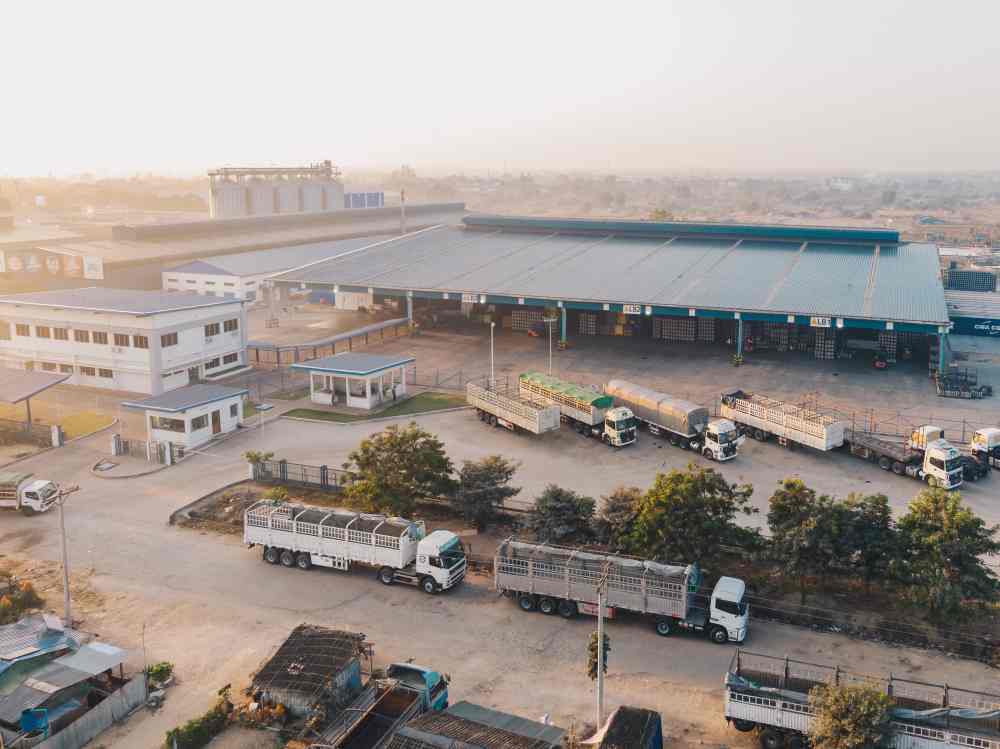
Legal Steps and Government Clearances for Establishing a Light Industry in Malaysia
Establishing a light industry in Malaysia offers significant opportunities due to the country’s strategic location, robust infrastructure, and supportive government policies. Light industries, which produce consumer goods or intermediate products with lower capital investment and environmental impact compared to heavy industries, are regulated by a clear legal framework. This article outlines the essential legal steps and government clearances required to set up a light industry in Malaysia as of 2025, using examples from successful light industries like electronics, food processing, and textiles. We also address five frequently asked questions with light industry examples in Malaysia to clarify key aspects of the process.
Understanding Light Industry in Malaysia
Light industries in Malaysia, such as electronics manufacturing, food processing, and textile production, are characterized by smaller-scale operations, moderate capital requirements (RM200,000–RM5 million for small to medium setups), and labor-intensive processes. These industries benefit from Malaysia’s trade agreements, such as the Regional Comprehensive Economic Partnership (RCEP), and incentives from the Malaysian Investment Development Authority (MIDA). Key examples include Intel’s semiconductor plants in Penang, Nestlé’s food processing facilities in Shah Alam, and Penfabric’s textile factories in Johor. Establishing such industries requires navigating legal and regulatory requirements to ensure compliance and operational success.
Legal Steps and Government Clearances
Setting up a light industry in Malaysia involves several legal steps and clearances, overseen by government bodies like MIDA, the Companies Commission of Malaysia (SSM), and the Department of Environment (DOE). Below is a detailed guide to the process, illustrated with light industry examples.
1. Business Registration with SSM
The first step is registering the business with the Companies Commission of Malaysia (SSM), as required under the Companies Act 2016.
- Process: Choose a business structure, such as a sole proprietorship, partnership, or private limited company (Sdn. Bhd.). For light industries like electronics or food processing, a Sdn. Bhd. is preferred for its limited liability and professional image. Submit documents via SSM’s EzBiz portal, including Form 13A (name availability), Form 6 (Declaration of Compliance), and Form 48A (Director/Promoter Declaration). Appoint a company secretary and provide a registered office address.
- Costs: RM30 for sole proprietorships (personal name), RM60 for trade names, or RM1,000–RM3,000 for Sdn. Bhd. registration, depending on authorized capital.
- Example: A food processing company like Nestlé Malaysia registers as a Sdn. Bhd. to operate its Shah Alam plant, ensuring legal recognition for its RM1–RM5 million facility.
2. Obtaining MIDA Approval
MIDA oversees manufacturing activities under the Industrial Co-ordination Act 1975, requiring companies with shareholders’ funds of RM2.5 million or more, or employing 75 or more full-time workers, to obtain a Manufacturing Licence.
- Process: Submit an application to MIDA with a business plan, financial projections, and details of manufacturing activities (e.g., semiconductor assembly or textile production). Smaller enterprises may qualify for exemptions but should consult MIDA for incentives like tax exemptions under the Promotion of Investments Act 1986.
- Costs: No direct fees for the licence, but processing may take 4–8 weeks. Legal or consultancy fees for documentation range from RM5,000–RM20,000.
- Example: Intel’s Penang semiconductor plant secured a MIDA licence, benefiting from pioneer status tax incentives for its RM1 million+ cleanroom facility.
3. Securing Local Authority Permits
Local authorities (Pihak Berkuasa Tempatan, PBT) regulate land use, building construction, and operations under the Local Government Act 1976 and Town and Country Planning Act 1976.
- Process: Obtain planning permission and building plan approval for the factory site. Submit architectural and structural drawings, endorsed by a registered architect or engineer, to the local PBT. For light industries, approvals cover factory layout, safety systems, and waste management. Additional permits, like a business premises licence, are required post-construction.
- Costs: Planning and building permits cost RM1,000–RM10,000, depending on factory size (e.g., 10,000 sq ft for a textile plant). Business premises licences cost RM500–RM2,000 annually.
- Example: Penfabric’s Johor Bahru textile factory obtained PBT permits for its 5,000 sq ft facility, ensuring compliance with zoning and safety standards.
4. Environmental Clearances from DOE
The Department of Environment (DOE) enforces environmental regulations under the Environmental Quality Act 1974, requiring light industries to manage waste, emissions, and effluents.
- Process: Submit an Environmental Impact Assessment (EIA) for prescribed activities (e.g., chemical-based food processing) or a Site Suitability Evaluation for smaller operations. Obtain permits for air emissions, wastewater discharge, and scheduled waste disposal. Factories must install pollution control systems, such as effluent treatment plants for food processing.
- Costs: EIA fees range from RM5,000–RM20,000, while permits cost RM1,000–RM5,000 annually. Pollution control systems cost RM50,000–RM200,000 for small plants.
- Example: Nestlé’s Shah Alam plant complies with DOE regulations by installing wastewater treatment systems, costing RM100,000, to process dairy effluents.
5. CIDB Registration
The Construction Industry Development Board (CIDB) regulates construction activities under the CIDB Act 1994, including factory setup or renovations.
- Process: Contractors involved in factory construction or fit-outs must be CIDB-registered. The business owner ensures contractors hold a valid Perakuan Pendaftaran Kontraktor Tempatan (PPK). For reinstatement or modifications, submit project details to CIDB within 14 days of contract award.
- Costs: Registration fees vary by contractor grade (RM500–RM2,000), with non-compliance fines ranging from RM10,000–RM100,000.
- Example: A furniture factory in Muar, Johor, engages CIDB-registered contractors for its RM500,000 setup, ensuring compliance during construction.
6. Safety and Health Compliance
The Occupational Safety and Health Act 1994 mandates workplace safety, requiring light industries to implement safety measures and training.
- Process: Register with the Department of Occupational Safety and Health (DOSH) and conduct risk assessments. Install safety equipment (e.g., fire extinguishers, emergency exits) and train workers on safety protocols. For electronics factories, cleanroom safety is critical.
- Costs: Safety equipment and training cost RM10,000–RM50,000, depending on factory size. DOSH inspections are free but may require compliance upgrades.
- Example: Intel’s Penang plant invests in cleanroom safety systems, costing RM50,000, to protect workers and comply with DOSH standards.
7. Additional Industry-Specific Licences
Certain light industries require specialized licences:
- Food Processing: Halal certification from JAKIM (RM100–RM1,000) and food safety licences from the Ministry of Health (RM500–RM2,000).
- Textiles: Export licences from the Ministry of International Trade and Industry (MITI) for international markets (RM1,000–RM5,000).
- Electronics: Compliance with Malaysian Standards (MS) for product quality, with certification costs of RM2,000–RM10,000.
Practical Tips for Compliance
- Engage Consultants: Hire legal or industry consultants to streamline MIDA, DOE, and PBT applications, costing RM5,000–RM20,000.
- Leverage Incentives: Apply for MIDA’s tax exemptions or reinvestment allowances to offset setup costs (e.g., 60% tax relief for 5 years).
- Plan Early: Start the process 6–12 months before operations to secure approvals and avoid delays.
- Verify Contractors: Use CIDB and SSM portals to confirm contractor legitimacy.
FAQs
- What is the first legal step to start a light industry in Malaysia?
Register the business with SSM as a Sdn. Bhd. or other structure, costing RM30–RM3,000, to establish legal recognition, as done by Nestlé Malaysia. - Do all light industries need a MIDA Manufacturing Licence?
Only companies with RM2.5 million+ in shareholders’ funds or 75+ employees require a MIDA licence. Smaller textile or food processing units may be exempt but can apply for incentives. - What environmental clearances are needed for a food processing plant?
A DOE Site Suitability Evaluation or EIA (RM5,000–RM20,000) and permits for emissions and waste (RM1,000–RM5,000) are required, as seen in Nestlé’s Shah Alam facility. - How much do permits cost for a small electronics factory?
Total permit costs, including PBT planning (RM1,000–RM10,000), DOE permits (RM1,000–RM5,000), and safety compliance (RM10,000–RM50,000), range from RM12,000–RM65,000. - Why is CIDB registration important for light industry setup?
CIDB registration ensures contractors comply with construction standards, avoiding fines (RM10,000–RM100,000). Intel’s Penang plant uses CIDB-registered contractors for compliance.
Conclusion
Establishing a light industry in Malaysia, such as electronics, food processing, or textiles, requires careful navigation of legal steps and government clearances, including SSM registration, MIDA approval, PBT permits, DOE clearances, CIDB compliance, and safety regulations. By leveraging Malaysia’s incentives, skilled workforce, and infrastructure, businesses like Intel, Nestlé, and Penfabric have achieved success. Early planning, consultant support, and adherence to regulations ensure a smooth setup, positioning Malaysia as a prime destination for light industry growth in 2025.