
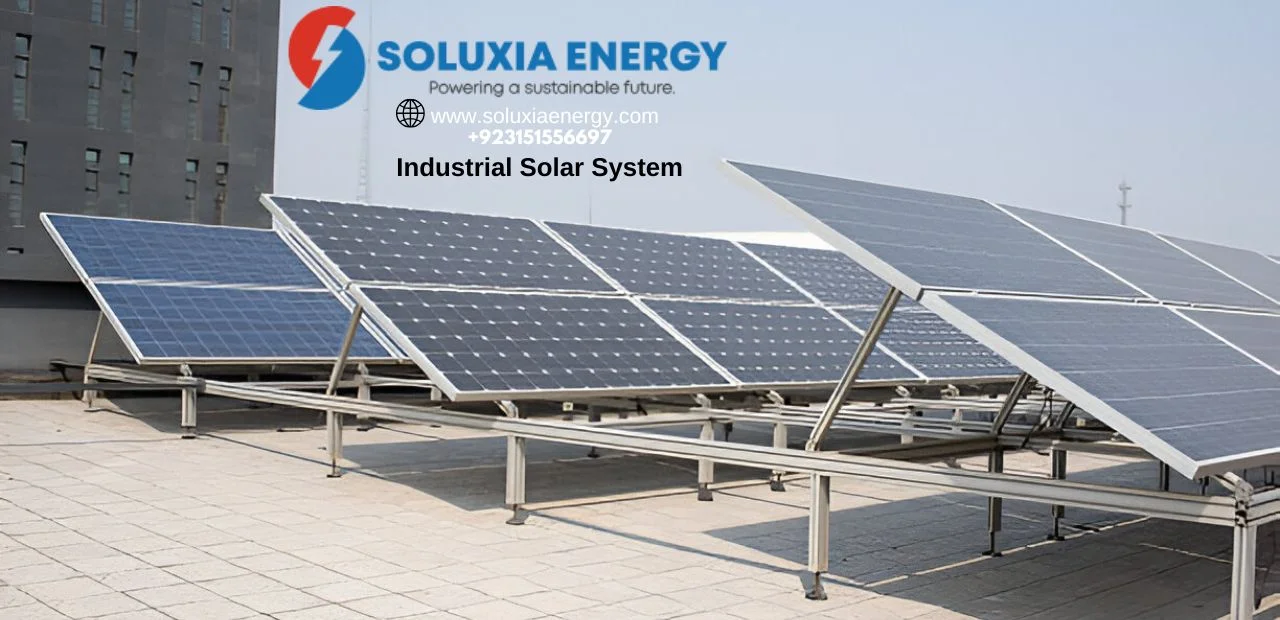
A Practical Industrial Solar System Installation Guide for 2025
Installing solar power in industrial settings is no small task—it requires careful planning, engineering precision, and regulatory approvals. Whether you’re a factory owner, operations manager, or energy consultant, this industrial solar system installation guide offers a step-by-step breakdown of how to move from concept to clean energy production.
1. Initial Energy Audit & Site Assessment
Start by evaluating your facility’s average electricity consumption. Review at least 12 months of electricity bills to determine your peak demand and monthly energy needs.
Next, conduct a site survey:
- Check roof or ground space availability
- Assess shading, structural integrity, and sun exposure
- Confirm if your site supports grid-tied or hybrid systems
This stage helps define system size and feasibility.
2. System Design & Planning
Once you’ve gathered data, a solar engineering team will:
- Design the layout (rooftop, ground-mounted, or carport)
- Choose the right panel type and inverter model
- Integrate battery backup if needed
- Optimize panel orientation and tilt angle for your region
The goal here is to generate maximum power while keeping system losses minimal.
3. Regulatory Approvals & Net Metering
In Pakistan and many other countries, grid-connected systems require:
- Submission of design documents to DISCO or NEPRA authorities
- Approval of net metering (if you plan to sell excess energy back to the grid)
- Permits related to safety compliance and structural work
Make sure your installer handles these formalities to avoid project delays.
4. Procurement & Installation
After approvals, your solar partner will begin installation:
- Install mounting structures securely on roofs or ground
- Fix panels using industry-grade hardware
- Set up inverters, isolators, junction boxes, and earthing
- Connect solar panels through DC cabling to the inverter
- Link inverter output to your main distribution board
Industrial-grade systems may also require surge protection, remote monitoring tools, and safety disconnects.
5. System Testing & Commissioning
Once the system is installed:
- Run electrical safety tests
- Verify power generation under full load
- Ensure system synchronization with the grid
- Test net metering functionality
After passing these inspections, your system will go live.
6. Monitoring, Maintenance & Support
A reliable solar system includes:
- Real-time performance monitoring via online dashboards
- Scheduled cleaning and inspection of panels and inverters
- Annual maintenance contracts to ensure long-term output
Many industrial setups include remote monitoring systems that alert you in case of underperformance or faults.
✅ Conclusion
Following a structured process outlined in this industrial solar system installation guide ensures your business makes a smooth transition to solar. From accurate planning to long-term maintenance, every step is vital to unlocking cost savings, energy independence, and environmental impact reduction.