
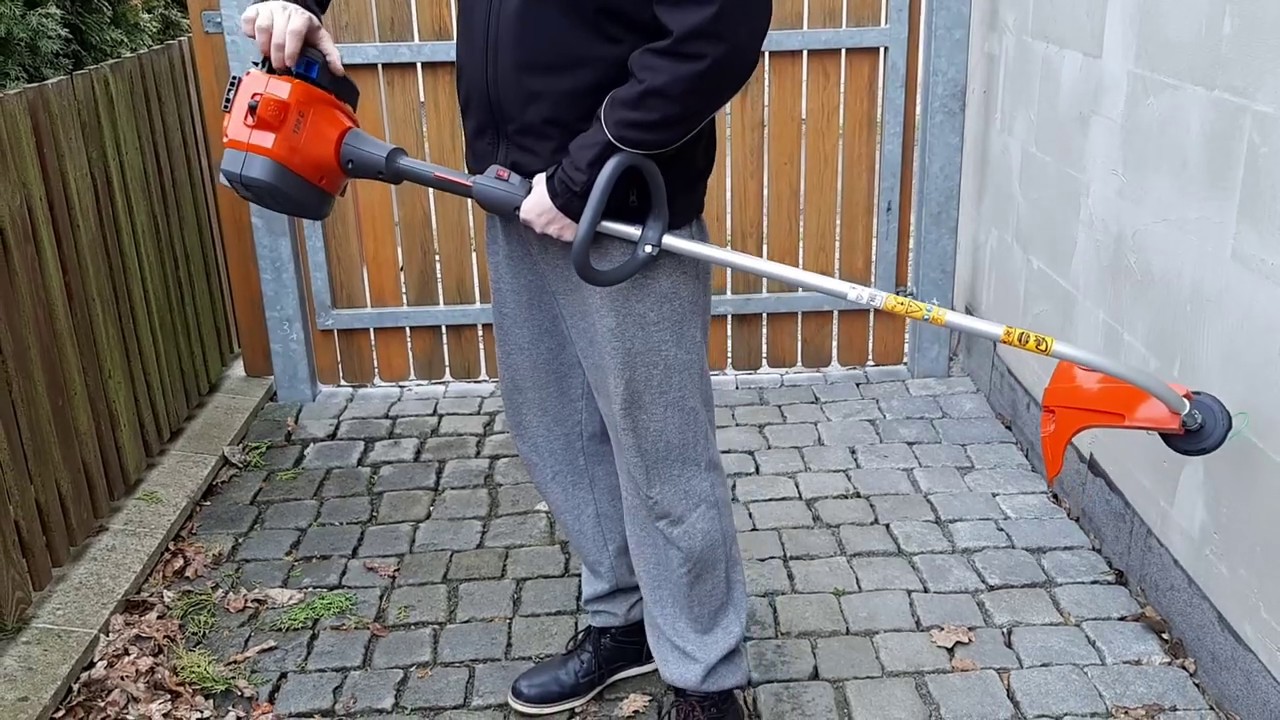
Maintenance Tips for Prolonging the Life of Your Husqvarna Trimmers
Husqvarna trimmers are popular for their reliability, robustness, and superior design. However, like any mechanical device, they require regular upkeep to continue functioning efficiently. Proper maintenance is not only paramount for performance but extends the lifespan of your trimmer significantly. This guide focuses on providing a detailed understanding of best practices in maintaining your Husqvarna trimmer for optimal longevity.
Understanding Your Husqvarna Trimmer
Husqvarna trimmers are ingeniously designed with key components that interplay, guaranteeing their impressive performance. These components include the engine, air filter, string and spool, and the cutting guard among others. The interaction of these components performs the trimmer’s functions effectively. The width of the cutting swathe, the power of the engine, and the flexibility of the handle are among the features that make these trimmers a favourite among homeowners.
Trimmer durability and effectiveness are influenced greatly by regular maintenance and careful use. With optimal care, your Husqvarna trimmer should serve you well for about ten years. However, harsh operating conditions, abrasive materials and irregular maintenance can significantly lower your trimmer’s lifespan.
Importance of Regular Husqvarna Trimmer Maintenance
Regular maintenance of your Husqvarna trimmer bears an intimate connection to its longevity and performance. Proper care ensures your trimmer’s components function optimally and seamlessly. It also checks against premature wear and tear, thereby extending the service life of your trimmer.
Several trimmer issues can be forestalled through routine maintenance. Such issues include stalling, loss of power, and difficult startups. Regular trimmer checkups detect potential problems early, preventing aggravation into complex breakdowns. Maintenance practices like filter cleaning, cord replacement, and regular oiling vastly reduce the chances of experiencing these issues.
Optimal Cleaning Tips for Your Husqvarna Trimmer
Keeping your Husqvarna trimmer clean is a simple yet vital aspect of maintenance. For safety, ensure the trimmer is turned off and cool before cleaning. The requisite tools include a brush, clean rag, and cleaning solvent. Begin by brushing off dirt from the outer parts before proceeding to open parts like the air filter and carburetor.
Each cleaning step contributes significantly to your trimmer’s longevity. By avoiding dirt accumulation, you prevent potential damage to vital components. Regular air filter cleaning, for instance, enhances air intake, resulting in efficient fuel combustion, which translates into better trimmer performance.
Trimmer Care: Beyond Cleaning
In addition to cleaning, your Husqvarna trimmer requires periodic oiling, potential parts replacements, and possible adjustments for optimal performance. Use the recommended trimmer oil to lubricate moving parts, reducing friction that can cause wear. Regular inspection checks on the state of the parts, facilitating timely replacements when necessary.
Storing and handling your Husqvarna trimmer correctly contributes significantly to its lifespan. Avoid exposing the trimmer to harsh weather and always store it in a clean, dry space. Also important is the carrying technique. Husqvarna recommends that you carry the trimmer by the shaft for better balance and safety.
Indicators That Maintenance Is Required
Observing your Husqvarna trimmer closely can alert you when maintenance is required. Warning signs include visible wear on parts, unusual noises, and changes in performance. Instances such as a trimmer taking longer than usual to start or experiencing a drop in speed during action necessitate immediate attention.
In certain cases, common issues can be quickly fixed. For instance, a clogged air filter can be cleaned out, replacing a spent string is straightforward, and tightening loose parts can resolve abnormal vibrations. However, complex problems like engine failure warrant professional attention.
Troubleshooting Tips for Your Husqvarna Trimmer
Common problems with Husqvarna trimmers can often be tackled with simple troubleshooting. A trimmer that won’t start, for example, might be resolved by cleaning the air filter, checking the spark plug, or ensuring the fuel is not stale. Falling power levels, on the other hand, could indicate a need to replace the string or adjust the carburetor.
Husqvarna recommends checking and cleaning the air filter every five tank fills. Refill trimmers with fresh fuel regularly but avoid overfilling the tank. These steps can drastically lessen the occurrence of common issues.
Understanding the Husqvarna Warranty
Coverages in the Husqvarna warranty include defects in material or workmanship. This warranty timeline runs for two years from the date of purchase for personal usage. Commercial usage warranty coverage spans one year. Notably, the warranty claim process requires proof of purchase.
Improper or neglectful maintenance can negatively affect your warranty. As a case in point, running your trimmer with a clogged air filter could result in engine failure. Since this problem is attributable to neglect, it could void your warranty.
Promoting Sustainability with Trimmer Maintenance
Environmentally, trimmer maintenance plays a significant role in waste reduction, given its aid to longevity. Each trimmer disposed of contributes to our global e-waste crisis—a phenomenon with adverse effects on the environment. Through regular maintenance, you can effectively prolong the lifespan of your trimmer, thus promoting sustainability.
Conclusion
In sum, maintaining your Husqvarna trimmer ensures optimal performance and longevity. This guide has explored the cleaning, oiling, replacement of parts, handling, and storage best practices essential to trimmer maintenance. By observing these practices, you can prevent common problems and effectively extend the lifespan of your trimmer. The importance of regular trimmer maintenance cannot be overstated, given its benefits in enhancing performance, promoting longevity, and contributing to environmental conservation.