https://fuelpumpexpress.com

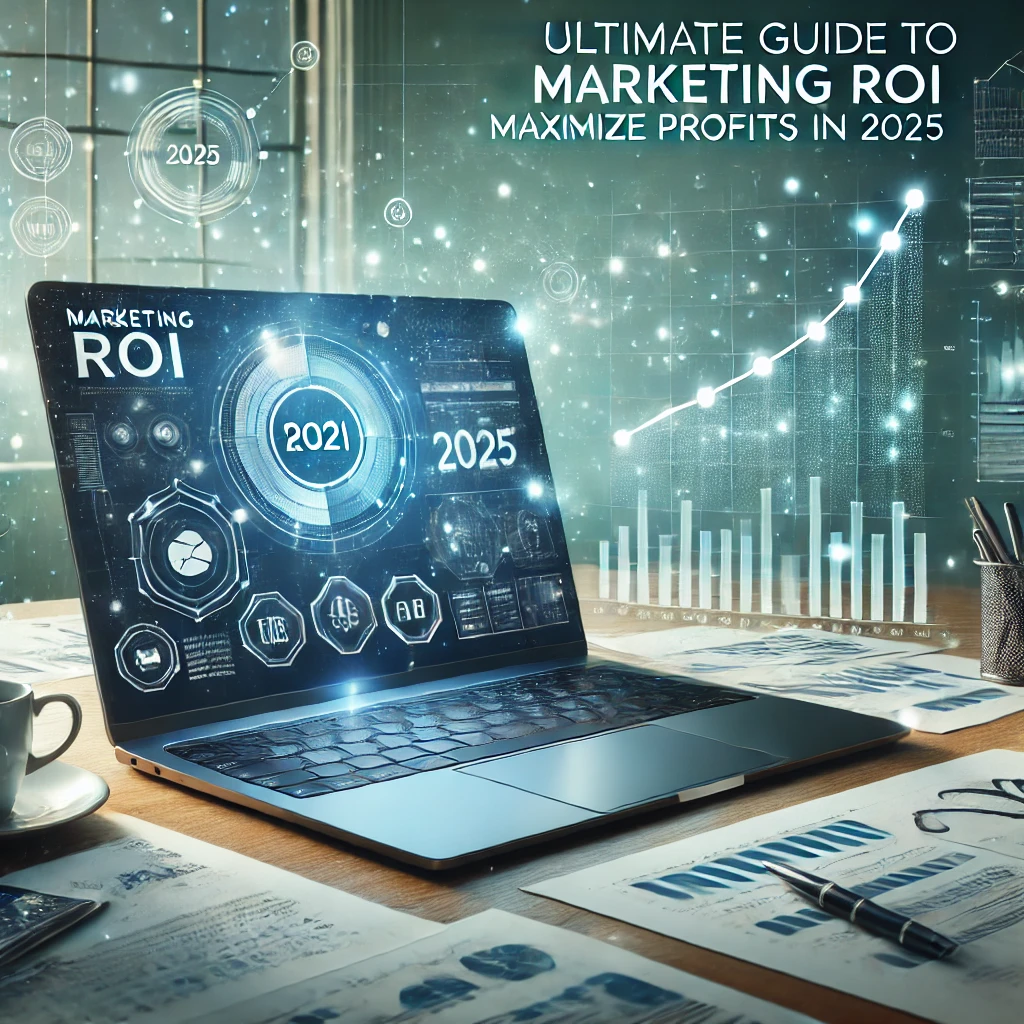
Ultimate Guide to Marketing ROI | Maximize Profits in 2025

Discover How Our Services Drive Profitable Growth

Measuring the success of your marketing efforts is crucial, but understanding how to calculate your marketing ROI (Return on Investment) takes it to the next level. With the right insights, you can ensure that every dollar spent works towards achieving measurable growth. That’s where our cutting-edge ROI calculator comes in, offering you a clear view of your marketing’s effectiveness and how our services deliver substantial returns.

In this comprehensive guide, you’ll learn:

  • What marketing ROI is and why it matters.
  • How to calculate and interpret ROI.
  • How our services optimize ROI for sustained growth.
  • Actionable steps to use our ROI calculator for instant insights.

Let’s dive into the essential elements of marketing ROI and how you can leverage it to drive smarter, data-driven decisions.

What Is Marketing ROI and Why It Matters

Marketing ROI measures the revenue generated from your marketing efforts compared to the cost. It’s a critical metric for evaluating the effectiveness of campaigns and ensuring you’re making data-backed decisions.

Formula:

Example: If you invest $1,000 in a campaign that generates $3,000 in revenue, your ROI is 200%. This means your efforts tripled your investment.

Key Benefits of Measuring Marketing ROI

  1. Justify Your Marketing Spend
    Prove the value of your marketing strategies by showcasing tangible returns. For instance, if every $1,000 spent generates $5,000 in sales, marketing becomes an investment, not an expense.
  2. Identify High-Performing Channels
    Pinpoint which channels deliver the best results. For example, if Google Ads deliver a 300% ROI but organic social media posts underperform, you’ll know where to allocate your budget.
  3. Optimize and Scale Campaigns
    Focus on scaling campaigns that consistently yield high ROI. Businesses leveraging ROI data are 2.3x more likely to achieve their goals.

Step-by-Step: Using Our ROI Calculator

Our interactive tool simplifies ROI calculation, enabling you to make quick, informed decisions. Here’s how it works:

Step 1: Input Your Monthly Marketing Spend

Enter your monthly investment across channels, including Google Ads, email marketing, or social media campaigns.

Step 2: Add Your Conversion Rate

Enter your average conversion rate. Don’t know it? Use industry benchmarks.

Step 3: Input Customer Lifetime Value (CLV)

Determine your average customer’s lifetime revenue. For example, if customers spend $100 per purchase and buy five times a year, your CLV is $500.

Step 4: Calculate Your ROI

Hit “Calculate” to see your ROI percentage and projected revenue. Use this data to refine your strategies for better results.

What Your ROI Results Tell You

  1. Positive ROI Indicates Success
  • 100% ROI: You’ve doubled your investment.
  • 200% ROI: You’ve tripled your investment.

These results signal effective campaigns and growth potential.

  1. Negative ROI Signals Adjustments Needed
    Early-stage campaigns or misaligned strategies may result in negative ROI. Optimize your targeting, messaging, or landing pages to turn results around.
  2. High ROI Equals Scalability
    Consistently high ROI is your cue to scale. Whether increasing ad spend or exploring new channels, capitalize on profitable campaigns.

How Our Services Maximize Your ROI

Achieving high ROI requires precision, strategy, and data-driven decisions. Here’s how we help:

1. Targeted Advertising for Better Conversions

We ensure your ads reach the right audience at the right time using advanced segmentation and behavioral data.

2. Optimized Conversion Rates

From A/B testing to streamlined sales funnels, we focus on converting visitors into loyal customers.

3. Data-Driven Campaigns

Our experts continuously analyze performance metrics, fine-tuning campaigns in real-time for maximum returns.

FAQs About Marketing ROI

1. What’s a Good ROI for Marketing?
A 5:1 revenue-to-spend ratio is considered strong, though it varies by industry.

2. How Often Should I Measure ROI?
Track ROI monthly to stay aligned with campaign performance and make timely adjustments.

3. What’s the Difference Between ROI and ROAS?
While ROI measures overall profitability, ROAS (Return on Ad Spend) evaluates revenue generated per advertising dollar spent.

Ready to Transform Your Marketing Strategy?

Now that you understand the importance of ROI, it’s time to see the results for yourself. Use our interactive ROI calculator to project your returns and discover how our services pay for themselves. With actionable insights in hand, you’re ready to make confident, data-driven decisions that ensure profitable growth.

Calculate your ROI now and experience the difference our services make!

Learn about Importance of Digital Marketing​​

10 Signs Your Business Needs Professional SEO Services

In today’s hyper-competitive digital landscape, the importance of search engine optimization (SEO) cannot be overstated. Without effective SEO strategies, your business risks becoming invisible online. This comprehensive guide uses the Skyscraper Technique to provide an in-depth exploration of why professional SEO services could be the game-changer your business needs.

Why SEO is Vital for Your Business

SEO ensures your website ranks higher on search engines, drives organic traffic, and increases your visibility among potential customers. If you’re struggling to gain traction, it’s time to evaluate your current approach.

Here are 10 definitive signs that your business needs professional SEO services and actionable solutions to address these challenges.

1. Your Website Traffic Has Stagnated

The Problem:

If your website traffic isn’t growing, it’s likely your current SEO strategy is outdated or ineffective.

The Solution:

Professional SEO experts perform a detailed audit to identify weak points in your strategy. They ensure your content aligns with the latest search engine algorithms and consumer intent.

Case Study: Search Engine Journal highlights how targeted SEO practices revitalized traffic for struggling businesses.

2. You’re Not Ranking for Target Keywords

The Problem:

Without ranking for relevant keywords, your business misses out on critical opportunities to connect with potential customers.

The Solution:

SEO professionals conduct keyword research and strategically integrate them into your content to ensure better rankings and visibility.

Learn More: Moz’s guide to keyword optimization demonstrates how to dominate search results.

3. High Bounce Rate Indicates Poor Engagement

The Problem:

A high bounce rate signals that visitors leave your site without engaging further, harming your SEO ranking.

The Solution:

By enhancing user experience (UX) with relevant content and faster load times, SEO professionals lower bounce rates and increase visitor retention.

Pro Tip: Discover actionable ways to reduce bounce rates in Ahrefs’ user engagement study.

4. Your Website Isn’t Mobile-Friendly

The Problem:

With over 50% of web traffic from mobile devices, a non-optimized site can lead to lost opportunities and penalties from Google.

The Solution:

Professional SEO services ensure seamless mobile experiences through responsive design, faster load times, and streamlined navigation.

Success Story: Smilebright Dental improved their mobile optimization, boosting rankings and conversions.

5. Slow Load Times Are Costing You Customers

The Problem:

A slow website frustrates users, who often leave if a page takes longer than three seconds to load.

The Solution:

SEO experts enhance technical SEO by optimizing images, reducing server response times, and cleaning up code.

Did You Know? Google reports that faster-loading sites see higher engagement and conversion rates.

6. Low Lead Generation Points to SEO Gaps

The Problem:

If your website isn’t generating enough leads, your SEO strategy might not be targeting the right audience.

The Solution:

Refined local SEO strategies focus on capturing nearby customers and aligning content with user intent.

Real-World Example: Titan Insurance’s local SEO overhaul doubled their leads.

7. Competitors Outrank You

The Problem:

Seeing competitors dominate search rankings while your business lags behind can indicate an ineffective SEO approach.

The Solution:

Competitor analysis uncovers their strengths. Professional SEO services help reverse-engineer their strategies to create a winning formula for your business.

Read More: Singapore Flooring Pte Ltd’s success story showcases how strategic SEO reshaped their competitive edge.

8. You’re Too Busy to Focus on SEO

The Problem:

SEO requires continuous effort, and as a busy entrepreneur, you might not have the time or expertise to keep up.

The Solution:

Outsource SEO to professionals who specialize in keyword research, content creation, and technical optimization. This frees you to focus on your core business activities.

9. Your Website is Outdated

The Problem:

Outdated websites with obsolete SEO practices won’t perform well in today’s dynamic digital environment.

The Solution:

SEO audits identify weaknesses, and updates ensure compliance with modern algorithms. Fresh content and clean coding practices improve rankings.

Insight: Keeping your site updated increases both traffic and customer trust.

10. You’re Unfamiliar with SEO Basics

The Problem:

If technical SEO terms like schema markup or canonical tags sound foreign, you’re missing opportunities for better rankings.

The Solution:

Hiring professionals bridges the gap, ensuring your site’s optimization aligns with best practices and industry standards.

Bonus Resource: Explore beginner-friendly SEO tips on HubSpot.

Frequently Asked Questions

1. What Do Professional SEO Services Include?

They cover keyword research, on-page optimization, link building, and technical SEO to improve search engine rankings.

2. How Long Does SEO Take to Show Results?

Results vary, but noticeable improvements often occur within 4-6 months.

3. Can I Do SEO on My Own?

While basic SEO is manageable, professional expertise ensures long-term success.

4. How Does SEO Help My Business Grow?

SEO drives organic traffic, increases visibility, and builds credibility, all leading to higher conversions.

Conclusion

If any of these signs resonate with you, it’s time to consider professional SEO services. Investing in the right strategies will ensure your business stays competitive in an ever-evolving digital landscape.

Ready to take your SEO to the next level? Contact us today for a free consultation!

Know about What Are the Best Performance Tracking Tools Offered by a Digital Marketing Agency?

Why Trust is the Key to Modern SEO Success in 2025

Search Engine Optimization (SEO) has evolved significantly from its early days. No longer just about keywords, backlinks, and metadata, SEO now prioritizes audience trust and brand reputation. While technical SEO remains relevant, it is trust-building that unlocks higher rankings in today’s digital landscape.

If your brand isn’t trusted, your SEO efforts will fail to achieve long-term results. Here’s why trust is the foundation of any successful SEO strategy.

From Keywords to Trust: The Evolution of SEO

The Old SEO: A Reliance on Technical Tactics

In the early days, SEO revolved around keyword stuffing and link building. Websites climbed search rankings by:

  • Using targeted keywords excessively in their content.
  • Acquiring backlinks from any available source, regardless of quality.
  • Optimizing metadata without focusing on content value.

These methods worked until search engines began prioritizing user experience and relevance. While these tactics provided quick wins, they ignored the critical element of trustworthiness.

The New SEO: Trust as the Key Differentiator

Modern SEO is driven by trust signals that demonstrate your brand’s reliability and authority. Google’s algorithm updates, such as the E-A-T (Expertise, Authoritativeness, and Trustworthiness) framework, emphasize trust over purely technical aspects.

Key changes include:

  • Evaluating content quality and credibility.
  • Prioritizing authoritative backlinks over sheer volume.
  • Recognizing user engagement as a ranking factor.

How Google’s E-A-T Framework Transformed SEO

Understanding E-A-T

Google’s E-A-T guidelines assess whether your website demonstrates expertise, authoritativeness, and trustworthiness. This shift ensures that users find reliable and accurate information, especially in industries like health, finance, and law.

Key Trust Signals in E-A-T:

  1. Authoritative Backlinks: Links from respected sources validate your credibility.
  2. Positive Reviews: Feedback on platforms like Google Reviews and Trustpilot builds user confidence.
  3. Engaging Content: Quality content that answers user queries reinforces trust.
  4. Social Proof: User testimonials, case studies, and brand mentions strengthen your reputation.

Building Trust: The New SEO Playbook

Steps to Foster Brand Trust

  1. Create High-Quality Content
    • Address real problems your audience faces.
    • Back your claims with credible sources and expert opinions.
    • Highlight author credentials to demonstrate expertise.
  2. Encourage Reviews and Feedback
    • Ask satisfied customers to leave positive reviews.
    • Showcase testimonials and case studies on your website.
    • Actively engage with reviews, whether positive or negative.
  3. Leverage Social Media Engagement
    • Share content that sparks conversations.
    • Respond to comments to show you value user input.
    • Collaborate with influencers or experts in your niche.
  4. Build Authoritative Backlinks
    • Focus on earning links from reputable sites.
    • Use outreach to connect with industry leaders and publications.
  5. Maintain Consistency Across Platforms
    • Ensure your messaging aligns across your website, social media, and email campaigns.
    • Deliver consistent content quality and customer service.

The Impact of Trust on SEO Rankings

Case Study: Transforming SEO with Trust

A small e-commerce brand struggled with low rankings despite using traditional SEO tactics. By shifting their focus to trust-building, they:

  • Improved customer satisfaction and encouraged reviews.
  • Earned organic backlinks from industry blogs.
  • Engaged authentically with their audience on social media.

Within a year, their rankings improved significantly. This transformation was driven by trust signals rather than keyword optimization alone.

Why Authentic Engagement Matters

Search engines can distinguish between authentic and spammy interactions. Metrics like time spent on site, social shares, and meaningful comments indicate user satisfaction. These signals tell Google that your brand is trustworthy and valuable.

FAQs About Trust and SEO

What Are Trust Signals in SEO?

Trust signals include reviews, authoritative backlinks, brand mentions, and user engagement metrics. They demonstrate your brand’s reliability to both users and search engines.

Can You Build SEO Without Traditional Tactics?

While traditional tactics remain relevant, they must be complemented by trust-building efforts. Without trust signals, even the most optimized site will struggle to rank sustainably.

How Can Small Businesses Build Trust Quickly?

  • Focus on delivering excellent customer service.
  • Encourage satisfied customers to leave positive reviews.
  • Share success stories and user-generated content.

Conclusion: Trust is the New SEO

In the evolving digital landscape, trust is no longer optional. Brands that invest in building trust will not only climb search rankings but also create loyal customer bases. By focusing on authentic engagement, quality content, and consistent messaging, you can position your brand as a trusted authority in your industry.

The future of SEO belongs to brands that prioritize trust. Start building yours today.

Know about Plex Logo: The Best Digital Marketing and SEO Company

The Ultimate Guide to SEO Agencies: What They Do & Why You Need One

If you’ve found yourself Googling “How do I rank on the first page of Google?” or wondering what an SEO agency actually does, you’re not alone. The digital landscape can be overwhelming, but understanding SEO agencies can be the key to unlocking your business’s potential online.

Whether you’re an entrepreneur starting fresh, a small business competing with established players, or an enterprise looking to refine your digital strategy, this guide is for you. Let’s dive deep into what SEO agencies do, how they help, and how to choose the right one for your needs.

What Exactly Does an SEO Agency Do?

Many think SEO is just about sprinkling keywords throughout a website. Spoiler alert: it’s not. Think of an SEO agency as your digital marketing Swiss army knife—versatile, precise, and essential. Here’s a breakdown of their core services:

1. Keyword Research

Imagine you’re a florist in Los Angeles, but your website is attracting traffic for “how to grow tulips in Alaska.” Not helpful, right? That’s where keyword research comes in.

SEO agencies dive deep into data to identify the exact phrases your target audience is searching for. Using advanced tools and analytics, they uncover high-impact keywords that align with your business goals. They’re not just looking for obvious terms but also for niche, long-tail keywords that can drive targeted traffic.

2. Technical SEO

Behind every great website is a solid technical foundation. Think of it like a house—it might look great, but if the foundation is shaky, you’re in trouble.

Technical SEO covers aspects like:

  • Website speed optimization
  • Mobile responsiveness
  • Fixing broken links and crawl errors
  • Implementing secure HTTPS protocols

These “under-the-hood” fixes ensure your site is fast, functional, and primed for search engines to crawl effectively.

3. Content Creation and Optimization

Content is the beating heart of SEO. It’s not just about writing blog posts but crafting content that:

  • Engages your audience
  • Addresses their pain points
  • Answers their questions
  • Drives them to take action

From blogs and infographics to videos and podcasts, SEO agencies create content that ranks high and keeps visitors hooked.

4. Link Building

Google’s algorithm places heavy importance on backlinks—links from other websites to yours. They act like votes of confidence in your site’s credibility.

However, not all links are created equal. SEO agencies use ethical link-building strategies to:

  • Earn links from authoritative websites
  • Foster partnerships with relevant sites
  • Avoid harmful practices that could lead to penalties

5. Analytics and Reporting

SEO isn’t a one-and-done process. It requires consistent monitoring and adjustment.

Agencies track key metrics such as:

  • Website traffic
  • Keyword rankings
  • Conversion rates

Using this data, they fine-tune strategies to maximize ROI and ensure your business goals are being met.

Why Does Your Business Need an SEO Agency?

Let’s be real: when was the last time you clicked past page one of Google? If your business isn’t ranking there, you’re invisible to potential customers.

Here’s why hiring an SEO agency is worth it:

  1. Expertise Matters: SEO is complex and ever-changing. Professionals stay updated with algorithm changes, trends, and best practices.
  2. Saves Time: DIY SEO is a full-time job. Hiring experts lets you focus on your business while they handle the heavy lifting.
  3. Avoid Costly Mistakes: One wrong move—like overusing keywords or buying spammy links—can lead to penalties. SEO agencies know how to navigate these pitfalls.
  4. Long-Term Results: Unlike paid ads, which stop working when the budget runs out, good SEO delivers ongoing traffic and leads.

How to Choose the Right SEO Agency

Not all SEO agencies are created equal. Here’s a checklist to help you spot the winners:

  1. Transparency: A trustworthy agency explains its strategies and results clearly.
  2. Proven Track Record: Look for case studies, testimonials, and success stories.
  3. Realistic Promises: Beware of guarantees like “#1 ranking overnight.” SEO takes time.
  4. Customized Approach: Your business is unique, and your SEO strategy should be too.
  5. Their Own SEO: If they’re not ranking well themselves, that’s a red flag.

Common Misconceptions About SEO Agencies

Let’s bust some myths:

  • “SEO is just about keywords.” It’s so much more than that—technical fixes, content creation, and link building are just as critical.
  • “SEO agencies use tricks to fool Google.” Good agencies use ethical, white-hat techniques that deliver sustainable results.
  • “I can DIY my SEO.” While it’s possible to learn the basics, professional SEO requires time, tools, and expertise.

Final Thoughts: Is an SEO Agency Right for You?

The right SEO agency can be a game-changer for your business. But timing is everything. If you’re just starting out, focus on building a fast, functional website and creating great content. Once you’re ready to scale, an SEO agency can take your efforts to the next level.

Remember, SEO is a marathon, not a sprint. Partner with an agency that understands your vision, communicates clearly, and delivers results. With the right team by your side, you’ll not only rank on page one—you’ll dominate it.

So, what’s stopping you? Share your thoughts, ask questions, or drop your experiences in the comments. Let’s navigate the SEO jungle together—and get your business shining online.

See you at the top of the search results! 🚀

Also know about Importance of Digital Marketing​​

7 Essential SEO Services to Boost Traffic and Rank in 2025

When someone mentions “SEO services,” does your mind immediately jump to keywords, backlinks, and a dash of tech wizardry? If so, you’re not alone. But SEO is far more than a collection of technical jargon—it’s a strategic powerhouse, and understanding its various components could mean the difference between “meh” traffic and skyrocketing results.

This guide takes a deep dive into the world of SEO services, breaking down the essentials with practical insights and real-world analogies. Whether you’re hiring an agency or exploring DIY strategies, let’s uncover what makes SEO tick.

1. On-Page SEO: The Foundation of Success

Think of on-page SEO as the stage where your website performs. It’s all about ensuring your content, meta tags, and internal links are in harmony with search engine guidelines.

Key Agency Offerings:

  • Meta Tag Optimization: Crafting click-worthy titles and descriptions.
  • Content Refinement: Balancing keyword optimization without overstuffing.
  • Internal Linking: Creating a logical path for both users and search engines.

Pro Insight: Exceptional content doesn’t automatically rank. Without optimization, even the best articles are like hidden treasures buried in the desert—valuable but invisible.

2. Off-Page SEO: Building Credibility Beyond Your Website

Off-page SEO is your online reputation. It’s the art of making other websites link to yours, signaling to search engines that your content is trustworthy and valuable.

Key Agency Strategies:

  • Backlink Building: Securing quality links from authoritative sites.
  • Digital PR: Generating buzz with irresistible stories or stats.
  • Outreach Campaigns: Partnering with bloggers and influencers.

Caution: Not all backlinks are equal. Links from shady directories can hurt your reputation instead of helping it.

3. Technical SEO: The Backbone of a Functional Website

Technical SEO ensures your website’s infrastructure is robust and accessible to both users and search engines.

Key Agency Services:

  • Site Speed Optimization: Faster load times lead to better user experiences.
  • Mobile Responsiveness: Ensuring smooth functionality on all devices.
  • Error Fixes: Addressing crawl errors, broken links, and outdated sitemaps.

Success Story: One site saw traffic double after fixing broken links and modernizing its backend. It’s proof that even the best content falters without a solid technical foundation.

4. Local SEO: Owning Your Neighborhood

Local SEO is a game-changer for businesses with a physical presence. It connects your offerings with nearby customers searching for your services.

Key Agency Actions:

  • Google Business Profile Optimization: Making your business shine in local searches.
  • Local Citations: Managing listings on platforms like Yelp.
  • Geo-Targeted Keywords: Capturing traffic with location-specific phrases.

Case in Point: A bakery boosted sales by 300% after refining its local SEO, proving small tweaks can yield massive rewards.

5. Content Creation and Optimization: The Lifeblood of SEO

Content is the magnet that attracts, engages, and converts visitors.

Key Offerings:

  • High-Quality Blog Posts: Addressing audience questions with actionable insights.
  • Landing Pages: Optimized to convert visitors into loyal customers.
  • Content Audits: Revitalizing outdated material for modern relevance.

Pro Tip: Boring, robotic content won’t cut it. Invest in pieces that inform, entertain, and solve real problems.

6. E-Commerce SEO: Tailored Strategies for Online Stores

For e-commerce businesses, SEO isn’t just about visibility—it’s about survival in a competitive landscape.

Key Agency Focus Areas:

  • Product Page Optimization: Combining keywords with compelling copy.
  • Structured Data: Making product details stand out in search results.
  • Duplicate Content Fixes: Avoiding penalties from template-heavy platforms like Shopify.

Don’t Overlook: Optimized category pages can significantly enhance search rankings and drive traffic.

7. Analytics and Reporting: Your Roadmap to Success

SEO without data is guesswork. Effective agencies provide actionable insights, not just spreadsheets.

Key Features:

  • Performance Tracking: Measuring what works and what doesn’t.
  • Transparent Reporting: Clear updates on progress and next steps.
  • Strategy Adjustments: Pivoting based on real-time data.

Red Flag: If your SEO reports are fluff-filled and lack direction, it’s time to rethink your partnership.

Wrapping It Up

SEO services are like a buffet—you don’t need everything, just the dishes that satisfy your goals. Whether it’s fixing technical glitches, building backlinks, or creating killer content, the right strategy is one that aligns with your unique needs.

Remember, SEO is a long game, not a magic trick. With persistence and the right partner, you’ll see a steady climb in traffic, leads, and conversions.

What’s been your biggest SEO win—or challenge? Let’s discuss, troubleshoot, and celebrate your journey. Drop your thoughts below!

Also know about Master Digital Marketing in 2025: Strategies for Small Business

Master Digital Marketing in 2025: Strategies for Small Business

As we enter 2025, it’s clear that digital marketing continues to evolve at breakneck speed. Strategies that worked last year may be outdated now, and staying ahead of the curve is more crucial than ever. But don’t worry—we’ve done the heavy lifting. After analyzing the trends, testing strategies, and gathering key insights, we’re here to share the most effective ways to succeed in the competitive landscape of 2025.

This guide is designed for small business owners, agencies, and entrepreneurs aiming to master digital marketing in 2025. With actionable steps and strategies based on the latest trends, you’ll be well-equipped to make this year your most successful yet.

1. AI: Not Just a Buzzword, But a Core Strategy for Success

In 2024, artificial intelligence transitioned from a buzzword to a necessity in digital marketing. Tools like ChatGPT, Jasper, and others have revolutionized content creation, customer engagement, and data analysis. If you’re not using AI yet, you’re missing out.

How to Harness AI in Marketing:

  • Content Creation: AI tools can generate drafts, optimize social media posts, or even create content on-demand, making your workflow more efficient.
  • Personalization: Use AI to tailor email campaigns and product recommendations to specific customer segments.
  • Data Insights: Leverage AI-powered analytics for real-time insights into what’s working and what’s not.

Actionable Tip: If you haven’t integrated AI yet, start small. Test AI-generated social media captions or email subject lines, then scale as you get more comfortable with the tools.

2. Short-Form Video: The Power of Bite-Sized Content

Platforms like TikTok, Instagram Reels, and YouTube Shorts dominated 2024, and they are expected to play an even bigger role in 2025. Short-form video is crucial for building brand awareness and driving engagement, especially with younger audiences.

Why Short-Form Video Works:

  • Bite-Sized Content: People consume quick, engaging, and informative videos.
  • High Engagement: Short videos outperform static posts in terms of likes, shares, and comments.
  • Algorithm Favorability: Social media platforms prioritize video content, giving your brand greater reach.

Actionable Tip: Start creating short-form videos today. Repurpose existing content, use trending sounds, and keep your videos under 60 seconds. Make those first few seconds count!

3. Zero-Click Searches: Why Visibility Matters More Than Ever

In 2024, over 65% of Google searches ended without a click, making zero-click searches a crucial element of your SEO strategy. Featured snippets, People Also Ask, and other SERP features continue to dominate, and this trend is set to grow in 2025.

How to Optimize for Zero-Click Searches:

  • Use Question-Based Keywords: Tools like Ubersuggest can help identify keywords that target featured snippets.
  • Leverage FAQ Sections: Add FAQs to your blog or product pages to capture the “People Also Ask” box.
  • Structure Content for Snippets: Provide clear, concise answers to common questions.

Actionable Tip: Focus on positioning your brand as an authority. Optimize for featured snippets and structure content to directly answer user queries.

4. Community: The New Social Currency

Building a community around your brand isn’t optional anymore—it’s essential. In 2024, brands that cultivated strong, loyal communities saw increased engagement and greater customer loyalty. This trend will only grow in importance in 2025.

How to Build an Engaged Community:

  • Involve Your Audience: Run polls, Q&A sessions, and feature user-generated content to boost engagement.
  • Create Exclusive Spaces: Launch private Facebook groups, Slack communities, or Discord servers to foster loyalty.
  • Be Present: Respond to comments, DM followers, and engage consistently on your platforms.

Actionable Tip: Start small by hosting live events or AMA (Ask Me Anything) sessions on platforms like Instagram or Facebook. Use these as a way to connect with your audience in a more personal way.

5. Voice Search: Optimizing for the Future

With the rise of smart devices and virtual assistants like Alexa and Google Assistant, voice search is becoming more common, reshaping SEO. In 2025, optimizing for voice search will be crucial for staying ahead.

How to Optimize for Voice Search:

  • Focus on Conversational Keywords: Think about how people speak when using voice search. Adapt your SEO strategy accordingly.
  • Optimize for Local Search: Many voice searches are local, so ensure your business listings are accurate and up-to-date.
  • Use Schema Markup: Structured data helps search engines understand your content better.

Actionable Tip: Use tools like Answer the Public to identify long-tail, conversational keywords that align with voice search queries.

6. First-Party Data: The Key to Targeted Marketing

With privacy regulations tightening and third-party cookies becoming obsolete, first-party data is more valuable than ever. Brands that have invested in collecting and utilizing first-party data are staying ahead of the curve in 2025.

How to Collect First-Party Data:

  • Email Subscriptions: Offer lead magnets like eBooks, discounts, or webinars to encourage sign-ups.
  • Interactive Content: Use quizzes, surveys, and polls to gather insights.
  • Loyalty Programs: Reward your customers while collecting valuable data on preferences and purchasing habits.

Actionable Tip: Start building your first-party data strategy now. Segment your email lists and use that data to create highly targeted campaigns that resonate with your audience.

Final Thoughts: The Road Ahead for 2025

In 2024, we learned that staying ahead in digital marketing requires more than just chasing trends—it’s about understanding what works, adapting quickly, and keeping your audience at the heart of every strategy. For 2025, the key areas to focus on include AI, short-form video, zero-click searches, community-building, voice search optimization, and leveraging first-party data.

By implementing these strategies, you’ll be well-positioned to take your brand to new heights in 2025. Ready to tackle the future of digital marketing? The tools and strategies are there—now it’s time to use them to your advantage. Here’s to an even more successful 2025!

Know about What Are the Best Performance Tracking Tools Offered by a Digital Marketing Agency?

What Are the Best Performance Tracking Tools Offered by a Digital Marketing Agency?

In the fast-paced world of online business, staying ahead of the competition requires effective strategies and tools. One of the most crucial aspects of digital marketing is tracking the performance of your campaigns. Whether you’re running ads, optimising for SEO, or engaging on social media, tracking tools help measure success and provide data-driven insights to improve results.

A digital marketing agency often offers a variety of performance tracking tools that provide businesses with the data they need to make informed decisions. This article explores some of the best tools available and how they can help optimise your marketing efforts.

1. Google Analytics

Google Analytics is one of the most powerful and widely used performance tracking tools in the digital marketing industry. It provides detailed insights into website traffic, user behaviour, and conversions. A digital marketing agency typically relies on Google Analytics to help businesses monitor the effectiveness of their online campaigns.

Key Features:

  • Real-Time Data: Track live user activity on your website.
  • Audience Insights: Understand who is visiting your site, including demographics, location, and device usage.
  • Traffic Sources: Identify where your traffic is coming from, such as organic search, paid ads, or social media.
  • Conversion Tracking: Measure the success of your marketing campaigns by tracking goals and conversions, such as form submissions or product purchases.

With Google Analytics, you can get a complete picture of how your marketing efforts are performing and which channels are delivering the best results. By understanding user behaviour, a digital marketing agency can tailor strategies to improve user engagement and conversion rates.

2. SEMrush

SEMrush is an all-in-one tool that focuses on SEO, paid advertising, content marketing, and competitive analysis. It’s a comprehensive platform used by many agencies to track the performance of a business’s SEO and PPC campaigns.

Key Features:

  • Keyword Research: Identify profitable keywords and optimise your content for better search rankings.
  • Competitor Analysis: Keep track of your competitors’ strategies, including their keywords, backlinks, and ad campaigns.
  • Site Audits: Perform detailed technical audits of your website to find and fix SEO issues.
  • Backlink Tracking: Monitor your backlink profile and find opportunities for link-building.

By using SEMrush, a digital marketing agency can ensure that a business remains competitive in search engine rankings and continually improves its SEO and paid advertising efforts.

3. Ahrefs

Ahrefs is another popular tool that excels at SEO performance tracking. It offers a wealth of features designed to help agencies improve website rankings and monitor backlinks.

Key Features:

  • Backlink Analysis: Check your website’s backlink profile and track where new backlinks are coming from.
  • Keyword Explorer: Find high-performing keywords that can drive traffic to your website.
  • Site Explorer: Get a detailed look at your website’s SEO performance, including organic traffic and keyword rankings.
  • Content Explorer: Identify trending content and see how your competitors’ content is performing.

Ahrefs is highly regarded for its ability to provide accurate and detailed data, making it a go-to tool for SEO tracking.

4. Google Search Console

Google Search Console is a free tool provided by Google to help website owners monitor and maintain their presence in search results. A digital marketing agency uses Google Search Console to gain insights into how a website is performing in organic search.

Key Features:

  • Search Performance: Track your website’s performance in Google search, including impressions, clicks, and average position.
  • Indexing Issues: Identify and fix any indexing issues that may prevent your pages from appearing in search results.
  • Mobile Usability: Check how your site performs on mobile devices and fix any usability issues.
  • Backlink Data: View which sites are linking to your website and the anchor text they are using.

With Google Search Console, a digital marketing agency can ensure that your website is performing well in search and identify any issues that need to be addressed for better rankings.

5. Hootsuite

For businesses that rely on social media as part of their digital marketing strategy, Hootsuite is an excellent tool for managing and tracking social media performance. Hootsuite allows agencies to manage multiple social media accounts in one place and provides detailed analytics to measure the success of social media campaigns.

Key Features:

  • Social Media Scheduling: Plan and schedule posts across various social media platforms, such as Facebook, Instagram, Twitter, and LinkedIn.
  • Performance Metrics: Track engagement, follower growth, and the performance of individual posts.
  • Team Collaboration: Manage multiple team members and assign roles within the platform.
  • Social Listening: Monitor conversations and mentions of your brand to stay on top of trends and customer feedback.

Hootsuite’s powerful analytics and social media management features make it an essential tool for agencies looking to optimise their social media efforts and engage with audiences effectively.

To learn more about how Pick My SEO helps businesses with performance tracking, visit Pick My SEO.

6. Moz Pro

Moz Pro is another well-known SEO tool that helps businesses track their website’s search engine performance. A digital marketing agency often uses Moz Pro to monitor rankings, find keyword opportunities, and conduct site audits.

Key Features:

  • Rank Tracking: Monitor your website’s rankings for target keywords and track changes over time.
  • Site Audits: Conduct technical SEO audits to identify and fix any issues that could be affecting your rankings.
  • Keyword Research: Discover new keyword opportunities and optimise your content to rank for valuable search terms.
  • Link Building: Track your link-building efforts and monitor your backlink profile.

Moz Pro is highly regarded for its user-friendly interface and detailed SEO insights, making it a popular choice among agencies.

7. HubSpot

HubSpot is an all-in-one marketing platform that offers a range of tools for tracking and managing digital marketing performance. HubSpot is often used by agencies to manage inbound marketing campaigns, including email marketing, social media, and content marketing.

Key Features:

  • Marketing Automation: Automate email campaigns, lead nurturing, and customer relationship management (CRM).
  • Performance Analytics: Track the performance of your marketing efforts, including traffic, leads, and conversions.
  • Content Management: Manage your website’s content and optimise it for SEO.
  • Lead Tracking: Track how leads are interacting with your content and monitor their journey through the sales funnel.

HubSpot’s comprehensive suite of tools makes it ideal for agencies looking to offer a complete inbound marketing solution for their clients.

Conclusion

Tracking the performance of digital marketing campaigns is essential for success in today’s competitive online environment. Whether it’s SEO, social media, or paid advertising, having the right tools in place allows a digital marketing agency to provide businesses with valuable insights and optimize strategies for better results.

By using tools like Google Analytics, SEMrush, Ahrefs, and Hootsuite, agencies can help businesses monitor their online presence, track traffic, and improve overall performance. As digital marketing continues to evolve, having access to these advanced tracking tools ensures that businesses can stay ahead of the competition and achieve long-term success in the digital world.

Discover the Best Digital Marketing Agency in the USA

In today’s competitive online landscape, finding the best digital marketing agency in the USA can be a daunting task. However, Your Digital Cube stands out as a trusted partner for businesses seeking innovative strategies to boost their online presence. Whether you’re a small startup or an established enterprise, their tailored digital solutions can help you achieve remarkable growth.

Why Digital Marketing Matters

Digital marketing has revolutionized how businesses connect with their target audience. From social media platforms to search engines, a robust online presence is no longer optional; it’s a necessity. But not all agencies are created equal, and selecting the right partner can make or break your marketing strategy. This is where Your Digital Cube shines with its results-driven approach and a commitment to excellence.

What Sets Your Digital Cube Apart

Your Digital Cube has established itself as a leader in digital marketing through its unique combination of expertise, creativity, and technology. Here’s why they are considered the best:

  1. Comprehensive Services
    From search engine optimization (SEO) to social media marketing, pay-per-click (PPC) advertising, and content creation, Your Digital Cube offers a wide array of services. Their all-in-one approach ensures every aspect of your online marketing is seamlessly integrated.
  2. Tailored Strategies
    Understanding that every business is unique, Your Digital Cube develops customized marketing strategies that align with your goals and industry trends. This personalized approach guarantees optimal results.
  3. Experienced Team
    The agency boasts a team of seasoned professionals with deep knowledge of the digital landscape. Their expertise enables them to stay ahead of trends and leverage cutting-edge tools for your benefit.
  4. Proven Results
    Success stories and satisfied clients testify to the agency’s ability to deliver measurable outcomes. Whether it’s increasing website traffic, enhancing brand visibility, or driving conversions, Your Digital Cube has a proven track record.

Key Services Offered

Your Digital Cube’s diverse service portfolio includes:

  • Search Engine Optimization (SEO): Dominate search engine rankings with expertly crafted SEO strategies.
  • Social Media Marketing: Engage with your audience on platforms like Facebook, Instagram, and LinkedIn.
  • Pay-Per-Click (PPC) Advertising: Achieve instant visibility with targeted ad campaigns.
  • Content Marketing: Build trust and authority through compelling content.
  • Web Design and Development: Create user-friendly websites that drive engagement and sales.
  • Email Marketing: Stay connected with your customers through personalized email campaigns.

The Power of Data-Driven Marketing

One of the defining features of Your Digital Cube is its reliance on data to drive decisions. They utilize advanced analytics to monitor campaign performance and adjust strategies in real-time. This ensures that every dollar you spend yields maximum returns.

Why Choose Your Digital Cube?

Partnering with the best digital marketing agency in the USA means gaining a competitive edge. Here are some additional reasons to choose Your Digital Cube:

  • Transparent Communication: You’ll always be in the loop with regular updates and clear reporting.
  • Affordable Packages: Their cost-effective solutions make high-quality digital marketing accessible to businesses of all sizes.
  • Focus on Innovation: The agency continually adopts emerging technologies to stay at the forefront of the industry.

Success Stories

Numerous businesses have experienced transformative growth with Your Digital Cube’s strategies. For example, a mid-sized retail company saw a 150% increase in online sales within six months, thanks to their targeted PPC campaigns and optimized website design.

Take the Next Step

Ready to elevate your brand and achieve unprecedented success? Your Digital Cube is here to make it happen. Don’t settle for average results when you can work with the best digital marketing agency in the USA. Contact their team today to discuss your goals and explore customized solutions.

With a strong focus on quality, innovation, and customer satisfaction, Your Digital Cube is the ultimate partner for your digital marketing journey.

The Future of Digital Marketing: Key Trends for 2025

As we approach 2025, digital marketing continues to evolve at an exponential rate, driven by technological advancements, shifting consumer behaviors, and the growing demand for personalized experiences. Marketers face increasing pressure to stay ahead of the curve and leverage the latest trends to ensure that their strategies remain relevant and effective. In this article, we explore the key trends shaping the future of Best Digital Marketing Course In Ahmedabad in 2025.

1. Artificial Intelligence and Machine Learning Integration

Artificial intelligence (AI) and machine learning (ML) have already transformed digital marketing, and by 2025, their influence will be even more pronounced. AI and ML will be essential tools for analyzing consumer data, predicting trends, and personalizing customer experiences at scale.

AI-powered chatbots, for example, will become increasingly sophisticated, capable of handling more complex customer inquiries while maintaining a conversational tone. Machine learning algorithms will also be used to automate content creation, offering marketers tools to generate blog posts, ads, and social media content that resonate with their target audience.

Moreover, AI will enhance data-driven decision-making by processing vast amounts of information to generate actionable insights. This will enable businesses to optimize campaigns in real-time, delivering highly targeted ads and content that meet consumer expectations with precision.

2. Hyper-Personalization and Customer-Centric Strategies

Personalization has been a trend for years, but in 2025, it will become hyper-personalized, with advanced data analytics and AI tools making it easier to deliver custom-tailored experiences for every customer. This shift will go beyond basic segmentation and aim to offer unique experiences based on real-time behaviors, preferences, and even emotions.

By leveraging data from various touchpoints — such as browsing history, social media interactions, and past purchases — marketers will be able to create more relevant and engaging content. This could include personalized product recommendations, dynamic website experiences, and personalized email campaigns that adapt based on a customer’s current needs and desires.

Consumers will expect brands to understand their individual preferences and offer meaningful interactions, rather than generic or broad-based communication. In fact, brands that fail to meet these expectations may risk losing customer loyalty, as personalization will be a fundamental aspect of building trust and long-lasting relationships.

3. Voice Search and Conversational Marketing

Voice search and conversational marketing will continue to gain momentum in 2025, thanks to the widespread adoption of voice-activated devices such as Amazon’s Alexa, Google Assistant, and Apple’s Siri. As more people rely on these devices to conduct searches, businesses will need to optimize their content for voice search.

Voice queries are often more conversational and longer than traditional text-based searches, so marketers will need to adjust their SEO strategies accordingly. This means focusing on natural language and conversational keywords that match how people ask questions verbally. Additionally, businesses will need to implement conversational marketing tactics, such as integrating AI-driven chatbots on websites and apps, to foster real-time, interactive conversations with customers.

The rise of voice search will also drive a shift toward mobile-first marketing, as smartphones and smart devices become the primary interface for consumer interactions. Brands that optimize for mobile and voice search will be better positioned to capture the attention of their target audience in 2025.

4. Augmented Reality (AR) and Virtual Reality (VR) Experiences

Augmented reality (AR) and virtual reality (VR) will be game-changers for digital marketing by 2025, providing innovative ways to engage consumers. AR will allow customers to interact with products virtually before making purchasing decisions, offering immersive experiences that help them visualize how products will look and fit in real life. For instance, furniture retailers could provide AR apps that allow customers to place virtual furniture pieces in their homes to see how they look in different spaces.

Meanwhile, VR will open up new opportunities for experiential marketing. Brands will be able to create virtual worlds that allow customers to experience products, services, and events in an entirely immersive way. For example, travel companies could offer virtual tours of destinations, or car manufacturers might enable potential buyers to take a VR test drive.

These technologies will provide opportunities for more creative and interactive campaigns, allowing brands to build deeper connections with their audiences. As AR and VR become more accessible, it will be critical for businesses to experiment with these immersive technologies to stay competitive.

5. Blockchain Technology for Transparency and Security

Blockchain technology, known for its secure and transparent nature, will play an increasingly important role in digital marketing by 2025. As consumers become more concerned with data privacy and security, blockchain can offer a solution that ensures transactions are secure, transparent, and tamper-proof.

One of the most significant applications of blockchain in digital marketing will be in the area of data privacy and management. With blockchain, marketers can give consumers more control over their data and build trust by allowing them to track how their data is used. Blockchain’s transparent nature will also reduce the risk of fraud and ensure that advertisers are paying for legitimate clicks and impressions.

In addition to transparency, blockchain can improve the efficiency of digital ad spending by cutting out intermediaries and enabling direct transactions between advertisers and publishers. This could lead to a more cost-effective advertising ecosystem, with less money being lost to fraud and inefficiencies.

6. Video Marketing and Interactive Content

Video marketing will remain a dominant force in 2025, with short-form videos, live streams, and interactive content leading the way. As the popularity of platforms like TikTok, Instagram Reels, and YouTube Shorts continues to grow, marketers will need to adapt by producing short, snappy videos that capture attention within seconds.

Interactive video content will also gain popularity, allowing consumers to engage with videos in real-time. This could include shoppable videos where viewers can click to purchase products featured in the video or interactive tutorials that allow users to make choices and guide the narrative. This type of engagement will create more immersive and memorable experiences, enhancing brand recall and customer loyalty.

Live streaming will also become a more integral part of digital marketing, enabling brands to engage with their audiences in real-time. Whether it’s product launches, behind-the-scenes content, or live Q&A sessions, live streaming offers a unique opportunity for brands to connect with their audience and drive real-time interaction.

7. Sustainability and Social Responsibility

As environmental and social issues continue to rise in importance, consumers are increasingly choosing to support brands that align with their values. In 2025, sustainability and social responsibility will be key considerations in digital marketing strategies.

Brands will need to communicate their commitment to sustainability through transparent messaging and showcase the steps they’re taking to reduce their environmental impact. Whether it’s promoting eco-friendly products, adopting sustainable business practices, or supporting charitable causes, brands that demonstrate their social responsibility will earn consumer trust and loyalty.

Social media will be a crucial platform for conveying a brand’s sustainability efforts. Influencer marketing will also play a role in spreading messages about sustainability, as influencers continue to have significant sway over consumer behavior.

8. Data Privacy and Ethical Marketing

With increasing concerns over data privacy, marketers will need to be more transparent and ethical in their use of consumer data. Stricter data protection regulations, such as the GDPR and CCPA, will push companies to adopt more secure data handling practices and obtain explicit consent from users.

Ethical marketing will be a growing trend, with consumers demanding more accountability from brands when it comes to their data. Marketers who prioritize consumer privacy and adopt ethical data practices will build stronger, more trusting relationships with their audience.

Conclusion

Digital marketing in 2025 will be defined by technological innovation, consumer-metric strategies, and a heightened focus on ethics and sustainability. Marketers who embrace these trends and stay agile in their approach will be well-positioned to lead in an increasingly competitive landscape. The future of digital marketing is bright, with endless opportunities for brands to connect with their audiences in new and meaningful ways.

Digital Pundit is the best digital marketing training academy to learn certified digital marketing course in Ahmedabad. Our Google certified expert trainer teach you from the basic to advanced digital marketing courses in Ahmedabad.