https://fuelpumpexpress.com

Jigsaw Puzzles: Supporting Individuals with Alzheimer’s Disease

Jigsaw puzzles, often associated with leisure and nostalgia, can also serve as a powerful tool for improving the quality of life for individuals living with Alzheimer’s disease. While puzzles may seem like simple entertainment, they engage the brain in meaningful ways that support cognitive function, emotional well-being, and social connection.

When tailored appropriately to the individual’s stage in the disease, these games can offer a rewarding and therapeutic experience.

Cognitive Stimulation is Vital

One of the main benefits of puzzles for individuals with Alzheimer’s lies in cognitive stimulation. Although Alzheimer’s is a progressive condition that affects memory and thinking, stimulating activities like puzzles can help maintain mental function for longer.

Solving a puzzle requires concentration, visual scanning, pattern recognition, and problem-solving, encouraging the brain to stay active. This kind of mental “exercise” can be likened to working out a muscle; while it may not stop the disease, it can support the brain’s resilience and delay further decline.

Puzzles also play a role in reducing modifiable risk factors linked to cognitive decline. While age, genetics, and gender are non-modifiable, there are other lifestyle-related factors that can be addressed.

Cognitive stimulation, along with exercise, diet, and social engagement, is a crucial part of maintaining brain health. By incorporating puzzles into daily routines, individuals with Alzheimer’s can benefit from low-pressure brain activity that feels enjoyable rather than clinical.

A Calm and Stable Activity

Beyond the cognitive benefits, jigsaw puzzles provide emotional support. Working on a puzzle can be deeply satisfying, especially when it aligns with the individual’s interests and abilities. Completing even a small section can lead to a sense of accomplishment and joy.

That success triggers the release of dopamine in the brain, a chemical that boosts mood and motivation. For someone who may be feeling confused or withdrawn due to the effects of Alzheimer’s, even a brief moment of clarity and satisfaction can be profoundly uplifting.

Custom Puzzles Are Best

It’s important to remember that the type of puzzle matters. A person in the early stages of Alzheimer’s might still enjoy puzzles with a moderate number of pieces—perhaps 100 or 200—as long as the images are clear and colorful.

As the disease progresses, using custom puzzles that are simplified prevents frustration. Large pieces, bright colors, and easily recognizable images become more appropriate. For individuals in more advanced stages, even 48 or 100-piece puzzles can offer an engaging and manageable challenge.

Caregivers and family members should ensure that puzzles are neither too easy nor too difficult.

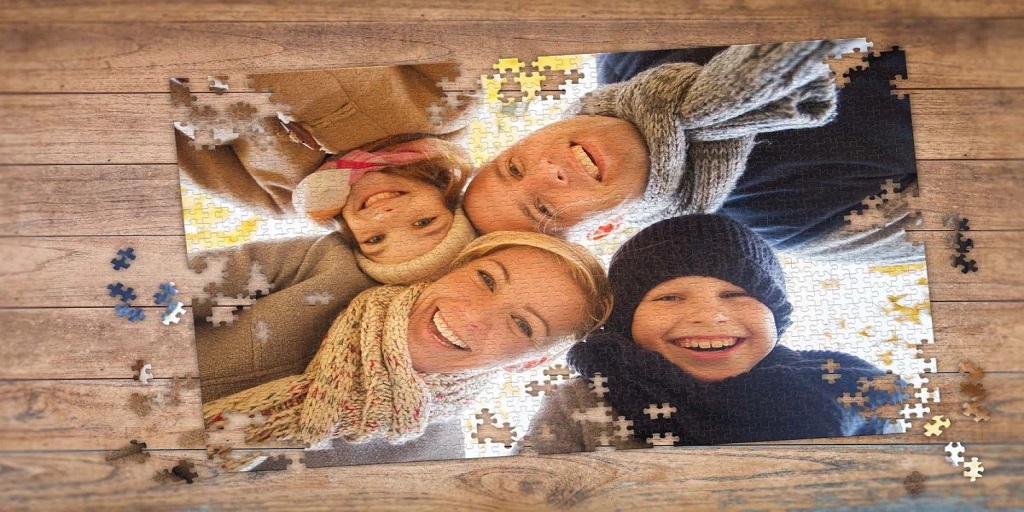
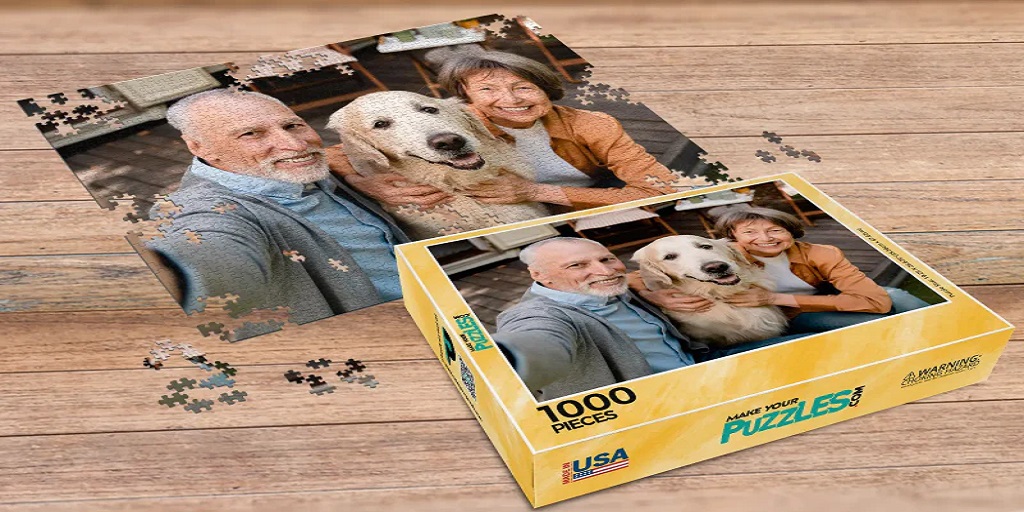
Choose custom puzzles that align with a person’s past. Select hobbies, favorite places, or family photos that can make the activity more meaningful and familiar, helping to spark memories and emotional connection.

Do It Together

Puzzles can also be a gateway to social interaction. Whether done with a family member, caregiver, or in a group setting, puzzles encourage cooperation and conversation. Working on a shared goal brings people together and allows for gentle communication without pressure.

This kind of interaction helps prevent isolation, which is a known risk factor for cognitive decline and depression in people with Alzheimer’s. Puzzles also support emotional regulation and relaxation. The act of sorting and placing pieces can help individuals focus in a way that resembles meditation.

The attention required to find the right piece promotes mindfulness, which can calm anxiety and reduce agitation, which are the two most common symptoms in people living with Alzheimer’s. Even individuals who are no longer verbal may show signs of comfort or pleasure during puzzle time, especially when it’s a calm, low-stress environment.

Ultimately, jigsaw puzzles are a simple but powerful way to enrich daily life. When selected and approached with care, they become more than a pastime; they become a tool for joy, connection, and cognitive support.

Choose MakeYourPuzzles to create custom puzzles you can complete quietly with a loved one. And the value of the experience is the same, you can help them stay connected to the world, to the mind, and to the people who care for them.

For more information about Photo Puzzle and Personalized Puzzle Please visit: MakeYourPuzzle.
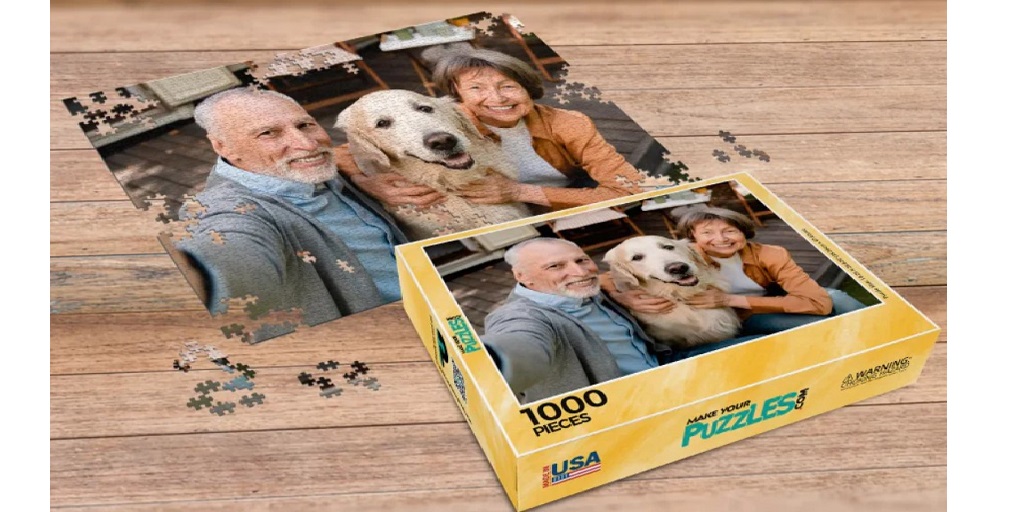
Challenging Puzzles for Competitive Dissectologists

If you’re serious about competing in jigsaw puzzle contests and consider yourself a dissectologist, the right training images can sharpen your skills dramatically. Jigsaw puzzling at a competitive level isn’t just a relaxing hobby—it’s a mentally intense, strategic endeavor.

Choosing the best images for custom puzzles can help you target specific skills like color sorting, edge detection, shape recognition, and speed. So, what types of images should you use to create training puzzles that actually make you better? Here are some of the most challenging custom puzzles for a person who loves completing challenging jigsaw puzzles.

High-Contrast Abstract Art for Color Sorting

One of the best ways to boost your sorting skills is to use abstract art puzzles with bold, contrasting colors and defined lines. These images challenge your ability to identify and organize pieces by color quickly.

Think of modern, geometric designs with plenty of color zones—reds, blues, yellows, blacks—each sharply divided. These types of images make it easier to sort by color but harder to piece together due to lack of subject context, which builds your mental stamina and attention to detail.

Nature Landscapes with Repetitive Pieces

Landscapes like forests, oceans, and mountain ranges with repeating patterns are excellent for sharpening your ability to recognize subtle differences. For example, an image of a snowy mountain with large swathes of white and blue trains your eye to detect minute differences in shading and piece shape.

You could also choose a lush forest scene where leaves and branches blend into each other. These puzzles improve your patience, pattern recognition, and ability to work with texture-heavy sections, which are often the most time-consuming in competitions.

Collages with Multiple Small Elements

Custom puzzles featuring collages or densely packed images of smaller objects—such as vintage toys, buttons, candies, or comic book covers—are ideal for enhancing visual scanning speed.

These images typically have many micro details and colors, forcing your brain to scan and identify quickly. They’re also perfect for working on the skill of piece association—matching a single puzzle piece to its spot based on small features. This is a key skill in time-based contests where every second counts.

Puzzles with Clear Grids or Sections

Cityscapes or interiors with a grid-like layout, such as bookshelves, windows, or tiled floors, can teach you how to approach structured puzzle sections. These images train your spatial reasoning and help you understand how to group puzzle pieces not just by color, but by structural pattern.

This can give you a big advantage in competitions where organizing your approach is critical to speed.

Minimalist and Monochrome Designs

To really push your limits, try creating puzzles with minimalist or monochrome images—like an all-white piece of paper, a blue sky, or a blacked-out silhouette. These images have few visual cues and demand that you rely heavily on piece shape and edge fit.

While frustrating, they improve your tactile and shape analysis skills like nothing else. These types of puzzles are like weight training for your brain—tough but worth it.

Portraits and Faces for Detail Training

Human faces, especially close-up portraits, are a fantastic way to train for realistic image recognition. Skin tones, hair textures, and facial features require close attention to gradient transitions and complex shading. This is especially useful in contests that feature high-resolution art or photography-based puzzles.

Custom Puzzles of Favorite Contest Images

Many competitive puzzlers use past contest puzzles for practice. If you have access to past images from contests, you can create custom versions at home. Practicing with the exact types of puzzles used in real competitions can dramatically increase your speed, confidence, and accuracy under pressure.

Training with custom puzzles featuring a variety of challenging image types—abstract art, busy collages, nature scenes, minimalist designs, and realistic portraits—can elevate your jigsaw skills to competition-ready levels.

Each puzzle type hones a specific ability, helping you build the muscle memory and mental flexibility needed to perform well in high-pressure jigsaw contests.

For more information about Turn A Picture Into A Puzzle and Custom Puzzles From Photos Please visit: MakeYourPuzzle.

Images You Should Choose for Custom Puzzles

When it comes to creating a custom puzzle, one of the most important decisions you’ll make is selecting the right image. Whether you’re designing a puzzle for personal enjoyment, a memorable gift, or even as part of your own puzzle collections, the image you choose can make or break the experience.

A great puzzle image should be visually appealing, offer a satisfying challenge, and evoke a connection with the person solving it. Here’s a closer look at the types of images that work best for custom puzzles.

High-Resolution Photos

First and foremost, the image should be high-resolution. Blurry or pixelated images not only look unprofessional but also ruin the puzzle experience. Always choose photos with at least 150DPI (dots per inch) to ensure the final product looks crisp and clean. We recommend using 300 DPI for the sharpest, highest-quality print results.The better the quality, the more enjoyable the puzzle-solving will be.

If there are photographic imperfections (red eye, distracting background images), you can always ask a professional to correct them using the latest photo editing software.

Personal Photos and Memories

Custom puzzles are often created to preserve memories, so personal photos are always a top choice. Family portraits, wedding pictures, vacation snapshots, or pet photos can turn a simple puzzle into a heartfelt gift.

These types of puzzles are great for birthdays, anniversaries, and holidays. When choosing a personal photo, make sure it has good lighting and a clear focus, with interesting elements spread throughout the image to make it more engaging to solve.

Choose photos with more than one person. Or if you need a group portrait, make sure that the person has an interesting background or is wearing clothing that has any interesting elements that are ideal for a puzzle.

Landscapes and Scenic Views

Scenic images like mountains, beaches, forests, and cityscapes make excellent puzzle content. These photos offer natural variation in colors and textures, making them both visually appealing and pleasantly challenging.

Sunsets, starry skies, and ocean waves offer stunning imagery and different levels of difficulty depending on the detail. Landscapes are especially popular because they offer a calm, peaceful vibe that’s perfect for puzzle lovers who enjoy a relaxing pastime.

Artwork and Illustrations

Custom puzzles don’t have to rely solely on photographs. Artistic illustrations, paintings, and even digital art can be transformed into mesmerizing puzzles. This includes abstract art, mandalas, or comic-style illustrations.

Art puzzles can vary in difficulty depending on the use of color, contrast, and symmetry. These are ideal for those who want a unique aesthetic that stands out from traditional photo puzzles.

Collages and Multi-Image Layouts

If one image isn’t enough, why not combine several? A collage can feature multiple family memories, travel highlights, or different seasons of the year. This option works particularly well for people who can’t choose just one photo and want a puzzle that tells a broader story.

With multiple images, anyone doing the puzzle enjoys a changing visual landscape as they piece it together, making it both sentimental and fun.

Patterns and Textures

For a more challenging experience, patterns and textures are an excellent choice. Think about an image of colorful tiles, intricate textiles, or even a close-up of tree bark or pebbles. These puzzles can be quite tricky because of their repetitive designs, but they’re perfect for avid puzzle solvers who enjoy a good brain teaser.

Pop Culture and Themed Designs

Fans of movies, music, or literature often enjoy puzzles featuring their favorite characters or pop culture posters. While you should be cautious of copyright issues when using branded images, many platforms offer licensed artwork that you can legally use. These themed puzzles make great gifts for fans and collectors.

Make Custom Puzzles That You Can’t Find Anywhere Else

The perfect image for your custom puzzle depends on your personal taste, the intended recipient, and the difficulty level you’re aiming for. The right image will transform your puzzle into a memorable and enjoyable keepsake, and MakeYourPuzzles can help you.

Choose the right image and send it to them so you’ll create a puzzle that’s as satisfying to build as it is to admire once complete.

For more information about Personalized Puzzles and Custom Puzzles From Photos Please visit: MakeYourPuzzle.

Custom Puzzles & Mindfulness: Finding Peace Piece by Piece

Nowadays, life moves fast. Finding moments of calm can feel impossible – between endless notifications, to-do lists, and daily responsibilities, it’s no wonder that so many people are searching for ways to slow down and be present. Custom puzzles, like the ones sold on MakeYourPuzzles, can be a great way to do just that. They’re not just a fun way to pass the time; they can be a powerful tool for mindfulness, helping you focus, relax, and find peace, piece by piece.

The Mindfulness Effect of Puzzling

Mindfulness is all about being present, focusing on the moment, and letting go of distractions. Custom puzzles naturally encourage this state of mind. When you sit down with a puzzle, your attention shifts to finding the right piece, noticing shapes and colors, and engaging in a task that requires patience and presence.

Puzzles demand active participation, unlike other more popular ways to pass the time nowadays such as doom scrolling on your phone or binge-watching a TV show. Your hands move, your brain engages, and your thoughts slow down. It’s almost like a form of meditation – you’re fully in the moment, away from stress and distractions.

Why Custom Puzzles Make It Even More Special

Sure, any puzzle can help you unwind. Custom puzzles, though – they add an extra layer of meaning to the activity. Instead of a generic landscape or abstract design, you get to piece together an image that matters to you. It could be a favorite family photo, a beloved pet, a breathtaking travel memory, or even a work of art you designed yourself.

This personal connection deepens the entire experience. As you assemble each piece and put it in its rightful place, you’re not just solving a puzzle, you’re reconnecting with a memory or a special moment. This way, it’s more than a simple diversion. It turns into a reflection of something meaningful in your life.

The Science Behind Puzzles and Relaxation

It’s not just a feeling – there’s real science behind why puzzles help with relaxation. Studies show that engaging in a jigsaw puzzle activates both the left and right hemispheres of the brain: the left side, responsible for logic and organization, helps identify patterns and fit pieces together, while the right side which handles creativity and intuition helps recognize images and colors. This balanced brain activity can reduce stress, improve focus, and even boost mood by increasing dopamine levels.

Research also demonstrates that activities like puzzles can help lower cortisol levels, the hormone responsible for stress. The simple act of working on a puzzle can make you feel calmer, more focused, and even happier.

A Screen-Free Escape in a Digital World

We live in a world dominated by screens, and finding ways to unplug is more important than ever. Custom puzzles offer a tangible, hands-on experience that pulls you away from endless scrolling and digital overload.

Taking time away from screens also improves sleep quality and reduces mental fatigue. When you swap your phone for a puzzle, you give your brain a much-needed break from overstimulation, allowing it to recharge naturally.

Piece Together Your Own Peace with Custom Puzzles from MakeYourPuzzles

Custom puzzles offer more than just entertainment. They provide a simple and effective way to practice mindfulness, reduce stress, and create a meaningful, screen-free moment in your day.

Ready to dive into the world of custom puzzles? MakeYourPuzzles makes it super simple – all you have to do is upload an image of your choosing and let them do the work. Visit the MakeYourPuzzles website now to learn more.

For more information about Custom Jigsaw Puzzle and Make A Puzzle From A Photo Please visit: MakeYourPuzzle

7 Proposal Ideas That Will Make Them Say “No” Faster Than You Can Blink

Proposing is stressful enough without making it worse by doing something completely off the mark. If you want your partner to actually say yes (and not out of secondhand embarrassment), avoid these seven terrible proposal ideas. Seriously, don’t do them.

1. Turning It Into a Public Spectacle

A proposal is about two people, not an entire football stadium, a flash mob, or every person your partner has ever met. Proposing in front of an audience (especially one that requires a microphone) just creates pressure, not romance. And if they don’t love public attention? Congratulations, you’ve just created their personal nightmare.

2. Forgetting Their Preferences

Not everyone wants an extravagant, over-the-top proposal. If your partner has ever cringed at viral engagement videos, maybe rethink that whole ‘skydiving into a surprise engagement party’ plan. The best proposals reflect what they love, not what gets the most Instagram likes.

3. Making Them Work for It

If your proposal involves scavenger hunts, escape rooms, or any kind of puzzle that isn’t metaphorical, stop right there. The only puzzle they should be solving is how they got into this relationship with someone who thinks forcing them to decode clues before getting a ring is fun. Proposals should be heartfelt, not homework.

(That said, if you must include a puzzle, do it the right way—we’ll get to that later.)

4. Proposing in the Middle of an Argument

This isn’t a movie. If you think a dramatic mid-fight proposal will fix everything, you’re about to be very single. Engagement rings aren’t band-aids, and shock value isn’t a solid foundation for marriage.

5. Using Food as a Ring Holder

Nothing kills romance faster than a choking hazard. Putting a ring inside a dessert might look cute in movies, but in real life? It’s a dental emergency waiting to happen. No one wants to propose at an ER visit

6. Going Overboard on the Gimmicks

No one needs a drone dropping the ring, a magician pulling it from behind their ear, or a skywriter spelling out “Marry Me?” in questionable penmanship. If your proposal feels like a viral stunt more than a sincere question, it’s probably time to dial it back.

7. Not Making It Personal

At the end of the day, the best proposals come from the heart. It’s about the moment, not the theatrics. So instead of forcing some grand spectacle, why not go for something thoughtful, intimate, and actually meaningful?

The Right Way to Make It Personal: A Custom Puzzle from Photo

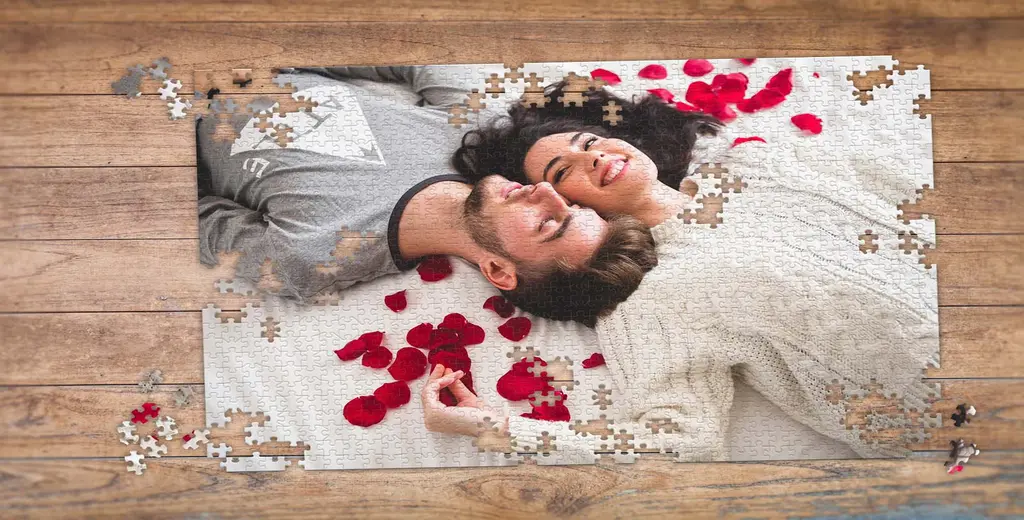
If you want to create a proposal that’s unique but not cringeworthy, here’s a genius idea: a custom puzzle from photo. Instead of making them run around town for clues or humiliating them in front of strangers, this keeps the moment private, sentimental, and—dare we say—actually romantic.


Picture this: They sit down with a puzzle, slowly putting the pieces together, only to reveal an image of the two of you with the words “Will You Marry Me?” at the center. It’s intimate, interactive (but in a good way), and something they can keep forever.

Why does this work?

  • It’s thoughtful. You’re literally piecing together your love story—without the awkward theatrics.
  • It creates a shared experience. No awkward bystanders, no unnecessary pressure—just the two of you.
  • It’s a keepsake. Unlike a stadium proposal that fades into a blur of embarrassment, a custom puzzle from photo is something they can keep, frame, or even redo for nostalgia’s sake.

If you’re looking for something heartfelt without the gimmicks, a custom puzzle from photo is the way to go.

Visit MakeYourPuzzles.com to create yours and finally propose in a way that won’t haunt them forever in their group chat. Trust us, your future self will thank you.

For more information about Custom Jigsaw Puzzles and Custom Puzzles Please visit: MakeYourPuzzles.