https://fuelpumpexpress.com

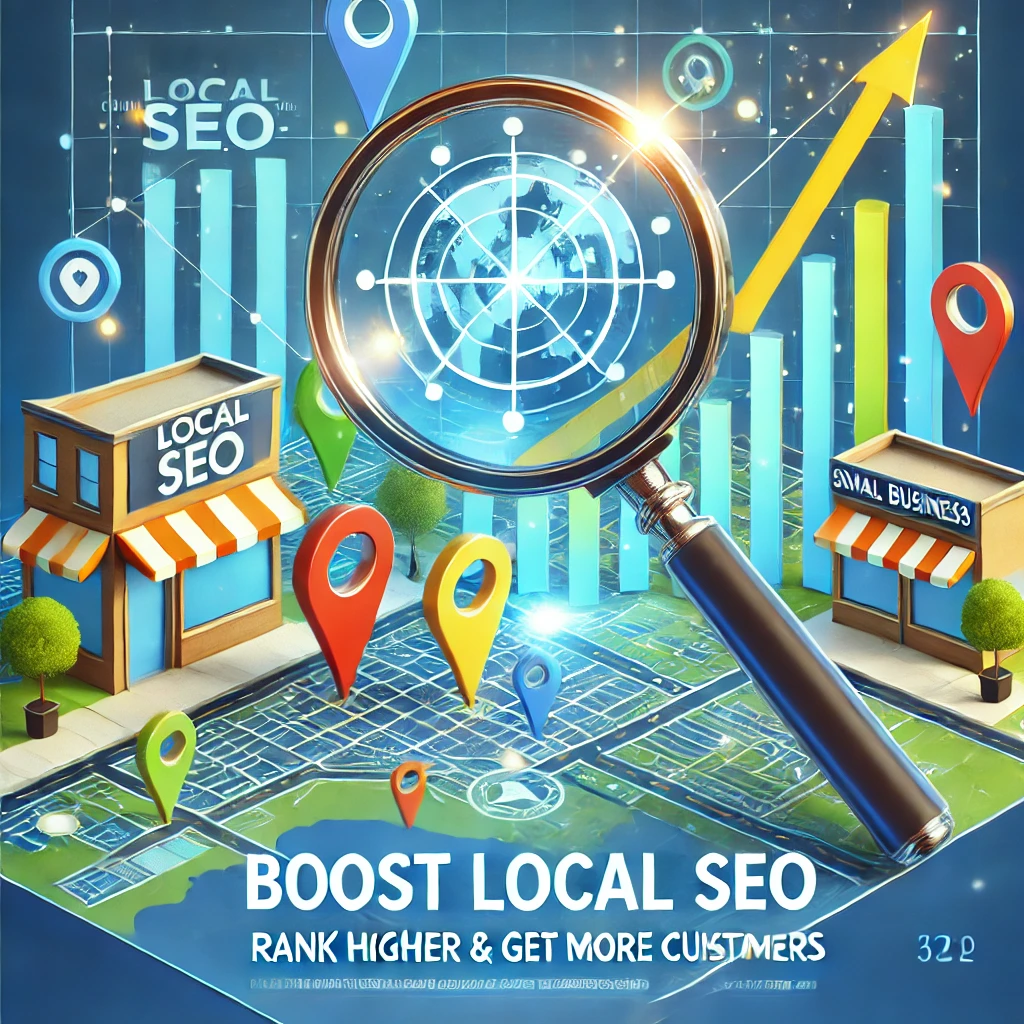
Boost Local SEO: Rank Higher & Get More Customers

Local SEO isn’t just about optimizing your Google Business Profile or building citations—it’s about owning the conversation in your local market. And the best way to do that? Creating high-quality, hyper-relevant local content.

Local content helps businesses:

Rank for location-based searches – More relevant content means more opportunities to appear in local search results. ✅ Answer real customer questions – If someone searches “What’s the best plumber in Houston?” and you provide the answer, that’s a direct lead. ✅ Build trust & authority – Google favors businesses that provide useful, locally relevant content. ✅ Earn backlinks & shares – High-quality local guides can get organic links from local businesses and websites.

But how do you create this content?

The Secret Weapon: Google’s “People Also Ask” Feature

Google’s People Also Ask (PAA) section is an untapped goldmine for local content ideas. These dropdown questions in search results show exactly what people are searching for—giving you instant blog topics, service page ideas, and FAQ inspiration.

Example: Using PAA for Local Content

Imagine you run a plumbing company in Houston. You search for “Houston plumber” and see these PAA questions:

  • How much does a plumber charge in Houston?
  • Why hire a master plumber in Houston?
  • How do I find a 24/7 emergency plumber in Houston?

Each question can be turned into a blog post, service page, or FAQ section, answering local customers’ most pressing concerns.

Real-World Examples of Winning Local Content Strategies

Now, let’s go beyond theory and look at proven local content strategies that drive traffic, leads, and rankings.

1. Create City-Specific Service Pages

A general service page won’t cut it. Instead, create dedicated pages for each city or neighborhood you serve.

🔹 Example: An HVAC company in Phoenix creates a service page titled “AC Repair in Phoenix: Fast & Affordable Cooling Solutions.”

💡 Why it works: ✅ Targets Phoenix-based customers specifically. ✅ Includes relevant local terms: “AC repair Phoenix,” “Phoenix air conditioning services.” ✅ Provides location-specific details like pricing, response times, and seasonal tips.

2. Write “Best Of” Lists Featuring Local Businesses

This is a great way to increase visibility, get local backlinks, and build partnerships.

🔹 Example: A wedding photographer in Chicago writes a blog post: “Top 10 Wedding Venues in Chicago for Stunning Photos.”

💡 Why it works: ✅ Appeals to local couples searching for venues. ✅ Increases chances of being shared by featured businesses. ✅ Builds trust & credibility in the local wedding industry.

3. Post Local Event Guides & Seasonal Tips

People search for location-specific advice all the time. Answering these queries builds local relevance and drives traffic year-round.

🔹 Example: A pest control company in Florida creates a post: “How to Get Rid of Mosquitoes in Miami, FL”

💡 Why it works:Seasonal relevance boosts search demand. ✅ Taps into a common local pain point. ✅ Encourages engagement from Miami homeowners.

Action Plan: How to Create Local Content That Ranks

If you want to dominate local SEO, follow this step-by-step framework:

  1. Use Google’s People Also Ask – Find real customer questions for content inspiration.
  2. Create location-based blog posts & service pages – Optimize for local keywords.
  3. Leverage local events & news – Engage your community.
  4. Build relationships with local businesses – Encourage backlinks & shares.
  5. Optimize your content for local intent – Use city names, landmarks, and hyperlocal references.

Need Help with Local SEO Content?

Running a business is hard enough without having to worry about content marketing. If you want high-quality, locally optimized content that drives real results, we can help.

📈 Our Local SEO Content Services: ✅ Local SEO-Optimized Blog Posts ✅ City-Specific Service Pages ✅ Google Business Profile Optimization

📞 Book a Free Strategy Call Today! Let’s build a content strategy that works for your business.

Learn about Website Conversion Fixes: Avoid Costly Digital Marketing Mistakes
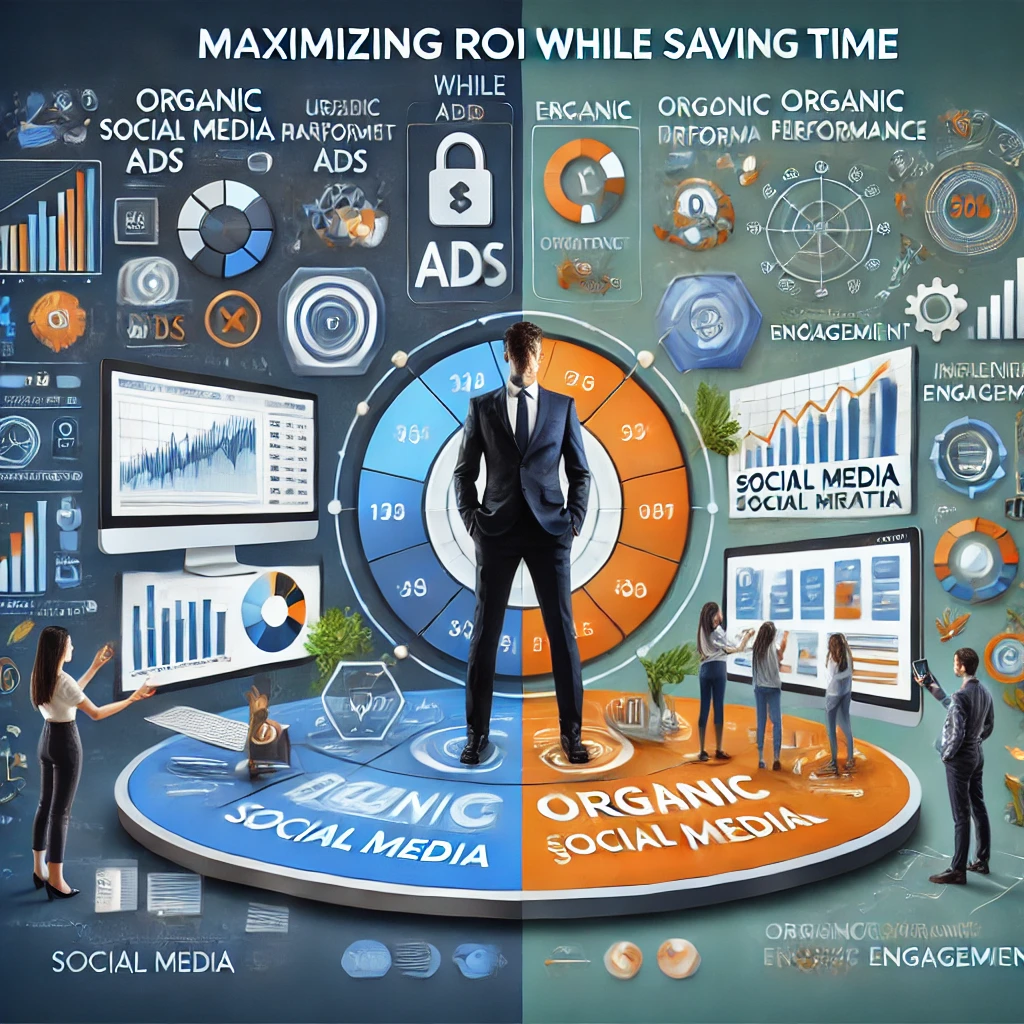
Maximize Social Media ROI Without Wasting Time

Social media marketing often feels like an endless loop of content creation, engagement, and analytics. Many businesses struggle to allocate their time and budget effectively, unsure whether to prioritize paid advertising or organic growth strategies.

The reality? Neither approach alone is enough. To maximize return on investment (ROI) while minimizing time spent online, businesses need a hybrid approach that leverages the strengths of both paid and organic strategies.

This guide will help you:

  • Understand the differences between paid and organic strategies and why they work better together.
  • Learn how to efficiently manage social media marketing without spending excessive time online.
  • Get actionable insights on automation, content planning, and audience targeting to boost ROI.

The Social Media Dilemma: Budget vs. Time

The Challenge: Where Should You Invest?

Most businesses struggle with budget allocation and time management on social media:

  • Should you pour money into ads for quick results?
  • Or should you invest time in organic strategies that take longer but foster brand loyalty?

Both approaches have pros and cons. Paid ads provide immediate reach, but over-reliance can lead to escalating costs. Organic strategies build trust but take time to gain traction. The key is finding the right balance.

The Cost of a One-Sided Strategy

Many businesses make one of two mistakes:

  1. Overinvesting in paid ads without nurturing organic engagement, leading to high churn rates.
  2. Relying solely on organic reach, only to be stifled by social media algorithms.

A well-balanced strategy ensures sustainable growth, audience retention, and better ROI over time.

Paid vs. Organic: The Real Truth

Why Paid Ads Alone Aren’t Enough

Paid social media ads allow you to: ✅ Reach highly specific audiences quickly ✅ Test new products, promotions, and offers with immediate feedback ✅ Scale your marketing efforts efficiently

The downside? ❌ Costs can quickly add up with poor targeting ❌ Ads disappear when the budget stops ❌ Customers acquired through ads may not be as loyal

Why Organic Strategies Alone Aren’t Enough

Organic social media helps you: ✅ Build trust and credibility with your audience ✅ Engage followers authentically ✅ Create a long-term brand presence without ongoing ad spend

The downside? ❌ Social media algorithms restrict organic reach (e.g., Facebook reaches only ~5% of your followers!) ❌ Growth can be slow without an initial push ❌ Time-consuming to consistently create and engage with content

The Solution? A Hybrid Strategy

A well-balanced social media plan:

  • Uses paid ads to attract new leads
  • Leverages organic strategies to nurture and retain them
  • Incorporates analytics to optimize performance

How to Maximize ROI Without Spending Hours Online

1. Leverage Social Media Automation

Automating your social media efforts saves time and increases efficiency. Tools like Buffer, Hootsuite, and Sprout Social allow you to:

  • Schedule posts in advance
  • Analyze performance metrics
  • Engage with comments and messages in bulk

Pro Tip: Batch-create content weekly and schedule it in advance to maintain a consistent presence.

2. Use Paid Ads Strategically

Instead of blindly running ads, focus on high-ROI tactics:

  • Retarget website visitors who showed interest but didn’t convert.
  • A/B test ad creatives to see what resonates best.
  • Set ad spend limits to prevent overspending.

3. Optimize Posting for Engagement

Quality trumps quantity. Use analytics tools to determine when your audience is most active. Posting during peak times improves engagement without extra effort.

  • Facebook & Instagram: Best times are typically mid-morning & early evening
  • LinkedIn: Post Tuesday-Thursday mornings for B2B engagement
  • Twitter: Works best during commute hours & lunch breaks

4. Repurpose Content Across Platforms

Maximize efficiency by repurposing content across different channels:

  • Turn blog posts into LinkedIn articles
  • Repurpose tweets into Instagram carousels
  • Convert long videos into short Reels or TikToks

5. Focus on High-Impact Activities

Instead of spreading yourself thin across multiple platforms, prioritize where you get the best ROI. If your audience engages more on Instagram than Twitter, double down on Instagram.

Quick Wins:

  • Respond to high-value comments and messages first
  • Engage with influencers and brand advocates
  • Share user-generated content to build trust

6. Track & Adjust Your Strategy with Analytics

Successful social media marketing isn’t set-and-forget. Regularly analyze your metrics to fine-tune your approach:

  • Engagement rate: How well is your audience responding?
  • Conversion rate: Are ads leading to actual sales?
  • Follower growth: Are you gaining an engaged audience or just passive followers?

Case Studies: How Brands Successfully Balance Paid & Organic

Case Study 1: eCommerce Success Story

Challenge: A startup struggled with balancing ad spend and organic content.

Solution:

  • Used paid ads for product launches
  • Leveraged organic social proof through user-generated content
  • Focused on Instagram and TikTok for maximum engagement

Results: ✅ 25% sales increase in 6 months ✅ 40% more engagement on organic posts ✅ 15% lower cost per acquisition

Case Study 2: B2B Brand Building

Challenge: A tech company needed fast brand awareness but had limited resources.

Solution:

  • Ran LinkedIn and Twitter ads targeting decision-makers
  • Created high-value LinkedIn articles for organic authority
  • Automated responses to keep engagement high without manual effort

Results: ✅ Doubled LinkedIn engagement in 3 months ✅ Increased inbound inquiries by 30% ✅ Maintained a strong organic presence while reducing ad costs

Final Thoughts: Smarter Social Media, Better ROI

Social media doesn’t have to be a time sink. With a hybrid approach combining paid ads and organic strategies, you can maximize engagement, increase ROI, and reduce time spent online.

Key Takeaways:

✔ Don’t rely solely on paid ads or organic reach—use both strategically ✔ Automate tasks like posting and engagement to save time ✔ Use analytics to optimize ad spend and posting schedules ✔ Prioritize high-impact platforms and activities ✔ Repurpose content to maximize reach without extra effort

FAQs

How much budget should I allocate to paid ads?

Start small and scale based on performance. A good rule of thumb is to allocate 20-30% of your marketing budget to paid social media, adjusting as needed.

Can I rely solely on organic strategies if I have a small budget?

Yes, but expect slower growth. Consider low-cost paid options, like retargeting ads, to supplement organic efforts.

How do I measure the success of my hybrid strategy?

Track key metrics like conversion rate, engagement, and ad ROI to ensure you’re optimizing for results, not just vanity metrics.

Learn about Digital Marketing Services in 2025: Leading the Way in a Changing Digital World

Website Conversion Fixes: Avoid Costly Digital Marketing Mistakes
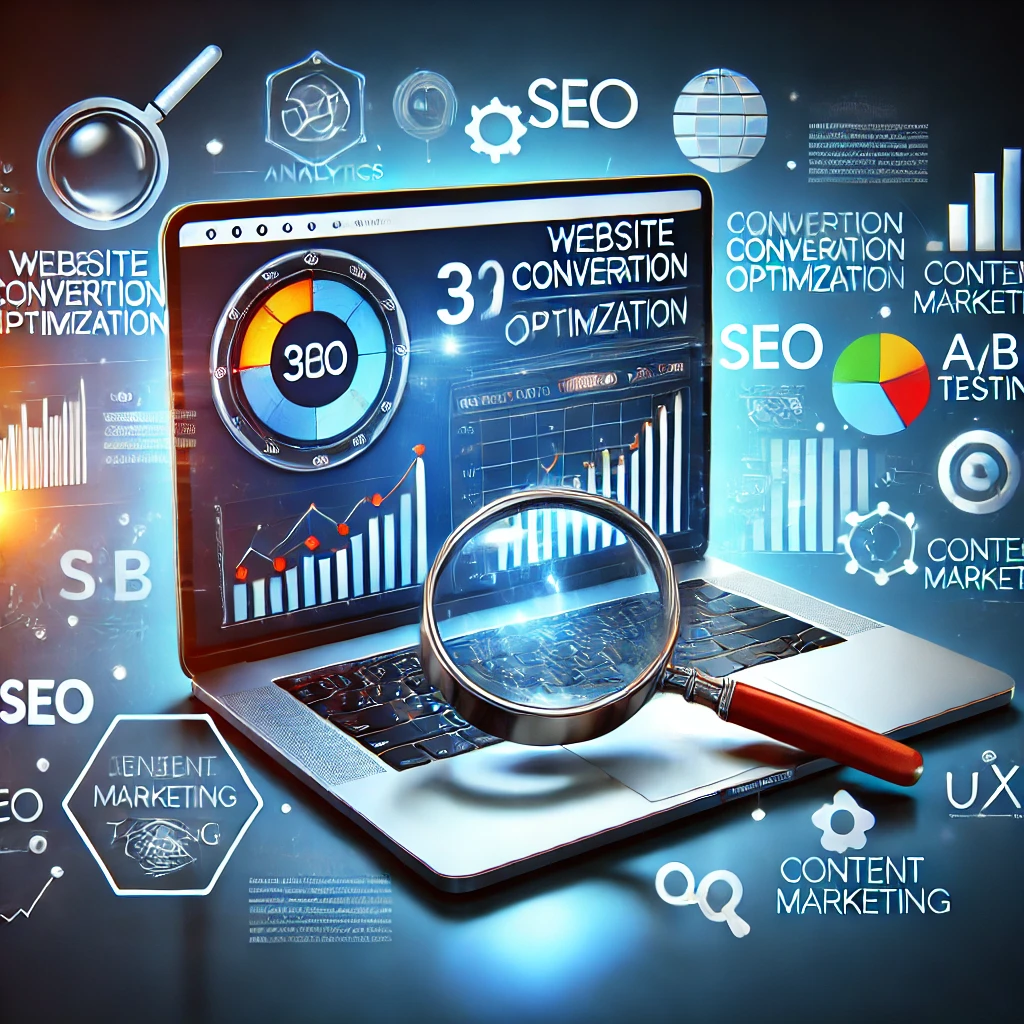
If your website isn’t converting, you’re not alone. Many businesses struggle with turning visitors into customers, often because of common digital marketing mistakes. In this guide, we will break down the most critical errors and how to fix them using data-driven strategies.

Why Website Conversions Matter

The True Cost of a Non-Converting Website

A website is a significant investment, but without conversions, it becomes a financial drain. High traffic is meaningless if it doesn’t lead to sales or leads. Conversion rate optimization (CRO) ensures your website works as a revenue-generating tool rather than just an online presence.

Debunking the “If You Build It, They Will Come” Myth

Simply having a website doesn’t guarantee success. Without a strategic conversion-focused approach, a website is like a storefront with no signage or salespeople. You need targeted traffic and a well-structured user journey to drive conversions.

What Defines a Website Conversion?

A conversion occurs when a visitor takes a desired action, such as making a purchase, filling out a form, or subscribing to a newsletter. Understanding different types of conversions helps in setting clear goals and optimizing strategies to achieve them.

Top Digital Marketing Mistakes That Kill Conversions

1. Poor User Experience (UX)

A frustrating user experience drives visitors away. Common UX mistakes include:

  • Slow page load times
  • Poor mobile optimization
  • Cluttered navigation

Fix it: Conduct a UX audit and improve navigation, optimize site speed, and ensure a mobile-friendly design.

2. Weak or Missing Calls to Action (CTAs)

A weak CTA fails to guide visitors toward conversion.

Fix it: Make CTAs clear, action-oriented, and visually distinct. Use phrases that create urgency and tell visitors exactly what to do.

3. Prioritizing Aesthetics Over Functionality

While a beautiful design matters, a complex website can confuse users.

Fix it: Prioritize usability. Ensure every design element serves a purpose and contributes to a seamless user experience.

4. Poor Content Strategy

Many websites fail to convert due to weak, irrelevant, or overly promotional content.

Fix it: Create valuable content that educates, engages, and builds trust. Use storytelling, case studies, and FAQs to connect with your audience.

5. Ignoring Analytics and Data

Not leveraging website analytics leads to missed opportunities.

Fix it: Use tools like Google Analytics to track user behavior. Analyze bounce rates, session duration, and conversion rates to identify areas for improvement.

6. Neglecting SEO Best Practices

SEO is not just about traffic; it also impacts conversions.

Fix it: Optimize for relevant keywords, improve on-page SEO, and ensure mobile-friendliness. A well-optimized website attracts high-quality traffic that converts.

How to Transform Your Website into a Conversion Powerhouse

1. Implement A/B Testing

A/B testing allows you to compare different versions of your website to determine what resonates with your audience.

Fix it: Test different headlines, CTAs, layouts, and images to find the highest-converting elements.

2. Design for User Intent

Understand what your visitors are looking for and guide them through a seamless journey.

Fix it: Use heatmaps and user testing to identify pain points and optimize accordingly.

3. Speed Optimization

A slow website loses visitors before they even engage.

Fix it: Compress images, enable browser caching, and use a Content Delivery Network (CDN) to enhance loading speed.

4. Leverage Social Proof

Trust is a major factor in conversions.

Fix it: Display testimonials, reviews, and case studies to build credibility.

5. Craft High-Quality, Engaging Content

Content should answer user questions and address pain points.

Fix it: Regularly update blog posts, create in-depth guides, and use video content for engagement.

FAQs

Why is my website traffic high but conversions low?

Traffic without conversions usually means poor user experience, weak CTAs, or irrelevant content. Analyze visitor behavior to identify gaps.

How often should I perform A/B testing?

A/B testing should be ongoing, with tests conducted at least monthly to optimize different website elements.

What is the most common mistake business owners make with their website’s CTA?

The biggest mistake is using vague, weak, or poorly placed CTAs. CTAs should be action-oriented and clearly visible.

How can I improve my website’s UX without a full redesign?

Simple changes like improving navigation, optimizing page speed, and refining CTAs can significantly boost UX without requiring a full website overhaul.

Is SEO still important if my website looks great?

Absolutely! A well-designed website is ineffective if no one can find it. SEO ensures your site ranks well and attracts qualified leads.

Final Thoughts A high-performing website doesn’t happen by accident. By avoiding common digital marketing mistakes and implementing strategic optimizations, you can turn your website into a conversion machine. Start making these changes today and watch your conversions soar!

Learn about Digital Marketing Services in 2025: Leading the Way in a Changing Digital World

Content Marketing Challenges and Tools: Expert Solutions

Content marketing is the backbone of digital strategy for businesses across industries. But let’s face it—it’s not all rosy. Beneath the polished blog posts and viral social media campaigns lies a process fraught with challenges. Software can alleviate some of these pains, but knowing which tools to use (and how) is the real game-changer.

This post dives deep into the common struggles of content marketing, offering solutions backed by both experience and technology.

Key Takeaways

  • Consistency, engagement, and ROI measurement are the toughest hurdles in content marketing.
  • Software can simplify workflows and address specific challenges, but it’s not a cure-all.
  • A solid strategy and effective team collaboration remain irreplaceable.

1. Consistently Generating High-Quality Content

The Pain: Maintaining a steady flow of engaging, high-quality content is exhausting. It’s a relentless treadmill that doesn’t slow down.

The Reality: Over time, even the most creative teams can run out of ideas. Repetition sets in, and the content becomes stale—a surefire way to lose readers.

The Fix:

  • Tools to Try: BuzzSumo and SEMrush Topic Research are invaluable for uncovering trending topics and filling your content calendar with fresh ideas.
  • Pro Tip: Tools only get you halfway there. The real magic lies in blending trending ideas with unique insights that resonate with your audience.

2. Managing a Content Calendar

The Pain: Content calendars often turn into chaotic messes. Deadlines are missed, priorities shift, and coordination becomes a nightmare.

The Reality: What’s meant to streamline operations can quickly become an administrative burden.

The Fix:

  • Tools to Try: Project management platforms like Trello, Asana, or Notion help organize tasks and keep everyone aligned.
  • Pro Tip: Avoid micromanagement. Instead, focus on creating a system that encourages accountability without stifling creativity.

3. Content Optimization for SEO

The Pain: Balancing SEO requirements with authentic storytelling can feel like an impossible task.

The Reality: SEO isn’t just about stuffing keywords; it’s about creating content that earns its place in search results.

The Fix:

  • Tools to Try: Ahrefs and Surfer SEO provide actionable insights into keyword opportunities and competitor strategies.
  • Pro Tip: Prioritize readability and value over algorithm-chasing. Tools can refine your strategy but can’t replace genuine, engaging writing.

4. Analyzing Content Performance

The Pain: You’ve published your content—now what? Interpreting performance metrics can feel overwhelming.

The Reality: With endless data points available, it’s easy to lose sight of what actually matters.

The Fix:

  • Tools to Try: Google Analytics and HubSpot offer comprehensive analytics for tracking key performance indicators.
  • Pro Tip: Zero in on metrics aligned with your goals. For example, focus on engagement metrics for brand awareness or conversion rates for sales campaigns.

5. Engaging and Retaining Your Audience

The Pain: Creating content is only half the battle. Keeping your audience interested and coming back is the real challenge.

The Reality: Audiences are fickle. Interests shift, and engagement can plummet without regular adaptation.

The Fix:

  • Tools to Try: Social listening platforms like Sprout Social or Brandwatch provide insights into audience preferences and trends.
  • Pro Tip: Engage authentically. Automation can help manage volume, but genuine interactions build loyalty.

6. Keeping Up with Industry Changes

The Pain: The digital landscape evolves rapidly, and staying ahead feels like a full-time job.

The Reality: Strategies that worked last quarter might be obsolete today. Adapting quickly is crucial.

The Fix:

  • Tools to Try: Feedly and Pocket help curate industry news and emerging trends.
  • Pro Tip: Go beyond skimming headlines. Deep dives into industry changes enable proactive strategy shifts.

7. Collaboration and Workflow Management

The Pain: Team workflows often break down due to miscommunication or lack of structure.

The Reality: Bottlenecks and version control issues drain creativity and delay timelines.

The Fix:

  • Tools to Try: Slack, Notion, and Monday.com improve communication and ensure everyone is on the same page.
  • Pro Tip: Regular check-ins and clear feedback loops keep projects on track and morale high.

Can Software Really Solve the Pain?

Software can ease many challenges, but it’s not a magic bullet. Even the best tools can’t compensate for a flawed strategy or dysfunctional team dynamics. The key lies in identifying your specific pain points and choosing tools that address them effectively.

Our Takeaway

Content marketing is hard because it demands authenticity in a world overflowing with noise. Tools can enhance efficiency, but your unique voice and value are what ultimately resonate with your audience.

If content marketing feels overwhelming, we’re here to help. With proven strategies, expert teams, and cutting-edge tools, we’ll transform your content into a growth engine.

Let’s talk about turning your challenges into opportunities for success.

FAQs

What’s the most time-consuming part of content marketing? Content creation—from brainstorming to editing—often eats up the most time.

Are there free tools available for content marketing? Yes! Tools like Google Trends, Ubersuggest, and Canva offer robust features at no cost.

How can small businesses overcome content marketing challenges? Focus on a clear strategy, leverage affordable tools, and repurpose existing content to maximize ROI.

How often should content be updated or repurposed? Review and update high-performing content quarterly to keep it relevant and optimized.

Learn about Welcome to eMarketAgency – Your Trusted Social Media Marketing Partner!

Why Trust is the Key to Modern SEO Success in 2025

Search Engine Optimization (SEO) has evolved significantly from its early days. No longer just about keywords, backlinks, and metadata, SEO now prioritizes audience trust and brand reputation. While technical SEO remains relevant, it is trust-building that unlocks higher rankings in today’s digital landscape.

If your brand isn’t trusted, your SEO efforts will fail to achieve long-term results. Here’s why trust is the foundation of any successful SEO strategy.

From Keywords to Trust: The Evolution of SEO

The Old SEO: A Reliance on Technical Tactics

In the early days, SEO revolved around keyword stuffing and link building. Websites climbed search rankings by:

  • Using targeted keywords excessively in their content.
  • Acquiring backlinks from any available source, regardless of quality.
  • Optimizing metadata without focusing on content value.

These methods worked until search engines began prioritizing user experience and relevance. While these tactics provided quick wins, they ignored the critical element of trustworthiness.

The New SEO: Trust as the Key Differentiator

Modern SEO is driven by trust signals that demonstrate your brand’s reliability and authority. Google’s algorithm updates, such as the E-A-T (Expertise, Authoritativeness, and Trustworthiness) framework, emphasize trust over purely technical aspects.

Key changes include:

  • Evaluating content quality and credibility.
  • Prioritizing authoritative backlinks over sheer volume.
  • Recognizing user engagement as a ranking factor.

How Google’s E-A-T Framework Transformed SEO

Understanding E-A-T

Google’s E-A-T guidelines assess whether your website demonstrates expertise, authoritativeness, and trustworthiness. This shift ensures that users find reliable and accurate information, especially in industries like health, finance, and law.

Key Trust Signals in E-A-T:

  1. Authoritative Backlinks: Links from respected sources validate your credibility.
  2. Positive Reviews: Feedback on platforms like Google Reviews and Trustpilot builds user confidence.
  3. Engaging Content: Quality content that answers user queries reinforces trust.
  4. Social Proof: User testimonials, case studies, and brand mentions strengthen your reputation.

Building Trust: The New SEO Playbook

Steps to Foster Brand Trust

  1. Create High-Quality Content
    • Address real problems your audience faces.
    • Back your claims with credible sources and expert opinions.
    • Highlight author credentials to demonstrate expertise.
  2. Encourage Reviews and Feedback
    • Ask satisfied customers to leave positive reviews.
    • Showcase testimonials and case studies on your website.
    • Actively engage with reviews, whether positive or negative.
  3. Leverage Social Media Engagement
    • Share content that sparks conversations.
    • Respond to comments to show you value user input.
    • Collaborate with influencers or experts in your niche.
  4. Build Authoritative Backlinks
    • Focus on earning links from reputable sites.
    • Use outreach to connect with industry leaders and publications.
  5. Maintain Consistency Across Platforms
    • Ensure your messaging aligns across your website, social media, and email campaigns.
    • Deliver consistent content quality and customer service.

The Impact of Trust on SEO Rankings

Case Study: Transforming SEO with Trust

A small e-commerce brand struggled with low rankings despite using traditional SEO tactics. By shifting their focus to trust-building, they:

  • Improved customer satisfaction and encouraged reviews.
  • Earned organic backlinks from industry blogs.
  • Engaged authentically with their audience on social media.

Within a year, their rankings improved significantly. This transformation was driven by trust signals rather than keyword optimization alone.

Why Authentic Engagement Matters

Search engines can distinguish between authentic and spammy interactions. Metrics like time spent on site, social shares, and meaningful comments indicate user satisfaction. These signals tell Google that your brand is trustworthy and valuable.

FAQs About Trust and SEO

What Are Trust Signals in SEO?

Trust signals include reviews, authoritative backlinks, brand mentions, and user engagement metrics. They demonstrate your brand’s reliability to both users and search engines.

Can You Build SEO Without Traditional Tactics?

While traditional tactics remain relevant, they must be complemented by trust-building efforts. Without trust signals, even the most optimized site will struggle to rank sustainably.

How Can Small Businesses Build Trust Quickly?

  • Focus on delivering excellent customer service.
  • Encourage satisfied customers to leave positive reviews.
  • Share success stories and user-generated content.

Conclusion: Trust is the New SEO

In the evolving digital landscape, trust is no longer optional. Brands that invest in building trust will not only climb search rankings but also create loyal customer bases. By focusing on authentic engagement, quality content, and consistent messaging, you can position your brand as a trusted authority in your industry.

The future of SEO belongs to brands that prioritize trust. Start building yours today.

Know about Plex Logo: The Best Digital Marketing and SEO Company