
Are Clean Cookstoves the Future of Sustainable Cooking?
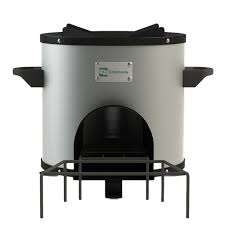
In many parts of the world, cooking is an essential yet harmful daily task. Traditional cooking methods, which often rely on open fires or inefficient stoves, produce dangerous levels of indoor air pollution, leading to severe health risks. This pollution is responsible for millions of premature deaths annually and contributes significantly to environmental degradation. The search for cleaner, more efficient cooking solutions has led to the rise of clean cooking technologies, particularly clean cookstoves. These advanced stoves are designed to reduce harmful emissions, use less fuel, and provide a more sustainable cooking experience. For a practical example of clean cooking technology, the Greenway Smart Stove offers a cutting-edge solution to modern cooking challenges.
But what exactly is the role of clean cookstoves in the future of sustainable cooking? In this blog, we will explore how clean cookstoves are not only solving immediate health and environmental issues but are also shaping the future of cooking for households around the globe.
What Are Clean Cookstoves?
Clean cookstoves are designed to reduce emissions and increase efficiency compared to traditional cooking methods. These stoves use advanced combustion technologies to burn biomass fuels like wood, charcoal, and agricultural residues more completely, producing less smoke and harmful pollutants. Clean cookstoves are built with features like improved combustion chambers, secondary air inlets, and heat retention systems that allow them to burn fuel more efficiently, thus reducing the amount of fuel needed for cooking. As a result, clean cookstoves offer significant health, environmental, and economic benefits, making them an essential part of sustainable cooking practices.
1. Healthier Cooking: The Key Benefit of Clean Cookstoves
Reducing Indoor Air Pollution
The health benefits of clean cookstoves are perhaps the most immediate and compelling reason to adopt them. Traditional stoves and open fires release large amounts of toxic smoke, which is filled with harmful pollutants such as carbon monoxide, particulate matter, and volatile organic compounds. These pollutants pose significant health risks, especially for women and children who spend most of their time near the cooking area. According to the World Health Organization (WHO), indoor air pollution from cooking with solid fuels contributes to millions of premature deaths each year from diseases such as respiratory infections, stroke, and heart disease.
By contrast, clean cookstoves are designed to burn fuel more efficiently, producing significantly less smoke. This leads to several health benefits:
- Reduced Respiratory Issues: Clean cookstoves minimize the inhalation of harmful smoke, reducing the risk of chronic respiratory conditions such as asthma, bronchitis, and pneumonia.
- Improved Vision: Less smoke in the cooking area means less irritation to the eyes, improving the comfort and health of those preparing food.
- Lower Carbon Monoxide Exposure: Clean cookstoves produce far less carbon monoxide, which is a common cause of poisoning in homes using traditional cooking methods.
Healthier Environments for Women and Children
In many developing regions, women are responsible for cooking, and they often spend hours each day exposed to harmful smoke. Similarly, children, who are typically near their mothers while cooking, face increased risks of respiratory infections and developmental issues. By using clean cookstoves, households can reduce the time spent inhaling dangerous smoke, leading to a healthier home environment and reducing the burden of illness in the community.
2. Environmental Impact: A Sustainable Solution for the Planet
Reducing Deforestation
One of the major challenges of traditional cooking methods is the heavy reliance on firewood, which is often harvested unsustainably. This leads to deforestation, a significant contributor to climate change and biodiversity loss. The widespread adoption of clean cookstoves can help mitigate this problem by reducing the amount of fuel needed for cooking. Clean cookstoves are designed to burn biomass fuels more efficiently, meaning households require less firewood or charcoal to achieve the same cooking results.
- Sustainable Fuel Use: Many clean cookstoves can use renewable biomass fuels, such as agricultural waste or compressed briquettes, reducing pressure on forests and promoting sustainable land use.
- Minimizing Environmental Damage: By reducing deforestation, clean cookstoves contribute to the preservation of vital ecosystems and biodiversity, helping to protect the environment for future generations.
Lower Greenhouse Gas Emissions
In addition to reducing the need for firewood, clean cookstoves also have a direct impact on reducing greenhouse gas emissions. Traditional cooking methods produce large quantities of carbon dioxide (CO₂) and methane, both of which contribute to global warming. Clean cookstoves are designed to burn fuel more efficiently, which results in fewer carbon emissions. By reducing the amount of CO₂ released into the atmosphere, clean cookstoves play an important role in mitigating climate change.
- Lower Carbon Footprint: Clean cookstoves emit fewer greenhouse gases compared to traditional stoves, helping to decrease the overall carbon footprint of households.
- Improved Climate Change Mitigation: Clean cookstoves are part of the broader effort to reduce global emissions, offering a practical solution to address the climate crisis.
3. Economic Benefits: Cost-Effective Cooking Solutions
Reducing Fuel Costs
One of the most attractive aspects of clean cookstoves is their fuel efficiency. Traditional stoves often burn fuel inefficiently, meaning households need to gather or purchase more fuel than necessary to cook meals. Clean cookstoves, on the other hand, are designed to maximize the use of available fuel, which results in:
- Lower Fuel Consumption: Clean cookstoves burn fuel more efficiently, meaning households require less firewood or charcoal for cooking.
- Cost Savings: By using less fuel, households can save money on cooking energy, which is especially important in regions where fuel is expensive or hard to come by.
Time Savings for Fuel Collection
In rural and remote areas, gathering firewood can be a time-consuming and physically demanding task. Many families spend hours collecting firewood each week, especially women and children. Clean cookstoves require less fuel, meaning that families can spend less time gathering wood, allowing them to focus on other important tasks, such as work, education, or community involvement.
4. Efficiency and Convenience: Modern Cooking Technology
Faster Cooking Times
Clean cookstoves are designed to cook food faster than traditional stoves. Because they burn fuel more efficiently, they generate more heat and reach cooking temperatures more quickly. As a result, meals can be prepared in less time, saving both fuel and time for families.
- Quicker Cooking: With less wasted energy, clean cookstoves can heat up faster and cook food more quickly, reducing the overall cooking time.
- More Consistent Cooking: Clean cookstoves also provide more consistent heat, ensuring that food is cooked evenly and more efficiently.
Easier Temperature Control
Many clean cookstoves come with adjustable settings that allow users to control the cooking temperature more precisely. This feature enables individuals to use the stove for a wide range of cooking methods, from simmering to frying to boiling. With improved temperature control, clean cookstoves enhance the overall cooking experience and allow for greater versatility in the kitchen.
5. Social Impact: Empowering Communities
Empowering Women
In many developing countries, women are the primary cooks and often bear the brunt of the health and social burdens associated with traditional cooking methods. Clean cookstoves offer numerous advantages for women:
- Improved Health: By reducing exposure to harmful smoke, clean cookstoves improve the health and well-being of women, lowering the risk of respiratory diseases and other health complications.
- Increased Time for Education and Work: With faster cooking times and less fuel collection, women have more time for educational pursuits or income-generating activities, helping to lift families out of poverty.
Strengthening Local Economies
The adoption of clean cooking technologies also creates economic opportunities. Many clean cookstoves are produced locally, which stimulates local economies and provides jobs in stove manufacturing, distribution, and maintenance. This can contribute to greater economic independence and community development.
6. Global Adoption: The Role of Governments and Organizations
Policy and Financial Support
Governments, international organizations, and NGOs are increasingly supporting the adoption of clean cookstoves as part of their efforts to promote sustainable development. Programs and initiatives that provide financial incentives, subsidies, or education about clean cooking options are helping to scale up the use of clean cookstoves globally.
- Government Initiatives: Governments can support the transition to clean cooking by offering incentives, funding, and infrastructure to promote clean cookstoves.
- NGO Support: NGOs and international organizations are working to raise awareness and provide financial support to households looking to switch to cleaner cooking options.
Conclusion
Clean cookstoves represent the future of sustainable cooking, offering numerous health, environmental, economic, and social benefits. From reducing harmful emissions to improving cooking efficiency and empowering women, clean cookstoves provide a comprehensive solution to some of the world’s most pressing challenges. As the demand for clean cooking solutions grows, clean cookstoves are poised to become the standard for households worldwide.
For those interested in making the transition to clean cooking, Greenway Appliances offers innovative solutions like the Greenway Smart Stove, designed to deliver efficient, eco-friendly, and healthier cooking experiences. By adopting clean cookstoves, we can create a more sustainable, equitable, and healthier world for future generations.