https://fuelpumpexpress.com

How Charitable Organizations Like Philabundance Make a Real Difference

Life without stable housing or a regular meal is a challenge no one should have to face. Yet, for many individuals and families in southeastern Pennsylvania and southern New Jersey, it’s an unfortunate reality. Without consistent access to food, essentials, or even a safe place to rest, survival becomes the daily focus.  

at’s where charitable organizations step in—bridging the gap between need and hope, and Philabundance is leading the charge.

The Daily Struggle for Stability

For those without stable housing, each day presents relentless challenges. Basic needs—like food, clean clothes, or transportation—are hard to secure. Families often go days without proper meals, while parents worry about providing for their children. Hunger affects everything. It makes it hard to find work, keep focus, or even feel human.

Access to essential services—like food pantries or meal programs—can mean the difference between surviving and slipping further. Yet the demand for these services grows every day. Local charitable organizations like Philabundance meet these needs head-on, ensuring people are fed and cared for.

Fighting Hunger Across Communities

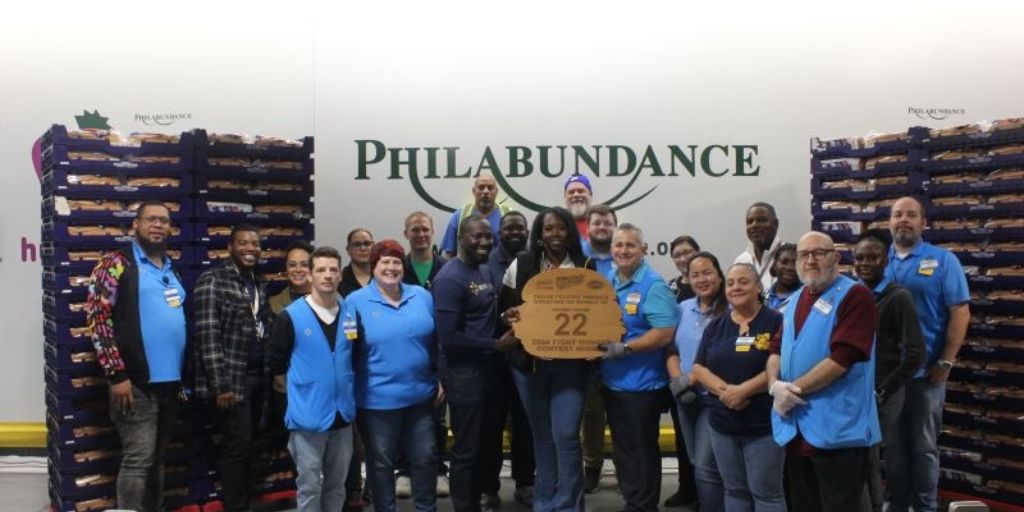
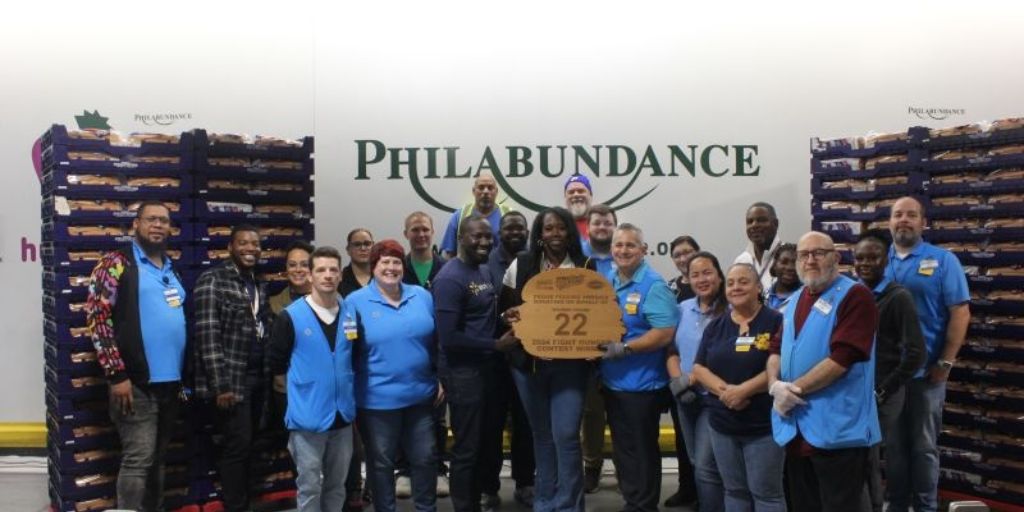
Philabundance isn’t just another name among charitable organizations. With a powerful mission to drive hunger away and end it for good, Philabundance serves nine counties across southeastern Pennsylvania and southern New Jersey. Their network moves quickly and effectively, delivering food to over 350 agencies, including community kitchens, shelters, and pantries.

Food comes from all corners of the community, with donations flowing in from:

  • Farmers who share surplus crops.
  • Manufacturers & Importers who provide packaged goods.
  • Retailers & Wholesalers offering fresh or unsold products.
  • Community Food Drives where local groups come together to collect donations.

Philabundance knows how to get these resources where they’re needed most—fast.

How Donations Fuel Essential Programs

Every donation makes an impact. Some choose to contribute food, while others offer financial support. Both are critical. Financial donations give Philabundance the ability to purchase large quantities of food to supplement what they receive. It’s not just about filling stomachs; it’s about providing nutritious, well-rounded meals that sustain and energize.

Their commitment? Healthy, culturally responsive food. Whenever possible, Philabundance prioritizes locally sourced produce, proteins, and pantry staples to ensure families have access to nourishing meals that respect their preferences and needs.

Donors often ask where their money goes, and the answer is simple: toward feeding people and maintaining programs that work.

Volunteer Opportunities

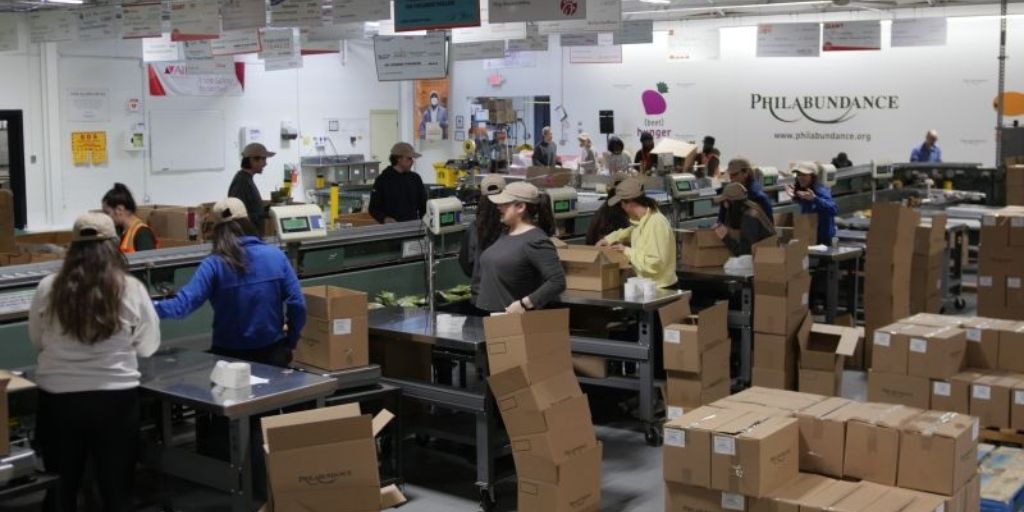
Not everyone can give financially, and that’s okay—volunteering your time is just as impactful. From sorting food donations at warehouses to helping distribute meals, Philabundance offers many ways to get involved. Whether you have an hour or a day, your time matters.

The Added Benefit

Donating to charitable organizations like Philabundance isn’t just good for the community—it’s beneficial for donors, too. Contributions, whether financial or food-based, may be tax-deductible. For example, businesses that donate surplus food can often claim deductions for the fair market value of what they provide.

Individual donors can also reduce their taxable income through financial contributions. It’s a win-win: feed those in need while gaining financial peace of mind during tax season.

For specifics, it’s always best to consult a tax professional, but rest assured, supporting Philabundance pays off in more ways than one.

Make a Difference Today

Philabundance proves that small efforts add up to significant impact. Whether it’s organizing a food drive, volunteering time, or making a financial donation, everyone has the power to help.

They’ve built a system where every contribution counts, no matter the size. That’s what makes them more than just one of many charitable organizations. They’re a community lifeline.

Ready to join the fight against hunger? Donate or learn more here: Philabundance Donate Page.

Because a meal today can change a life tomorrow.

For more information about food bank donations and local food bank Please Visit : Philabundance
Who Really Benefits From Charitable Organizations

Giving is a two-way street. Charitable organizations exist to help those in need, but let’s be honest—donors aren’t exactly losing out. While the main goal is to make a difference, there’s nothing wrong with getting a little something in return. A strategic donation can support communities, fund important research, and yes, offer a tax break that keeps a little extra cash in the donor’s pocket.

Where Do Charitable Contributions Come From?

A common misconception is that corporate philanthropy keeps charitable organizations afloat. Not quite. Around two-thirds of charitable donations come directly from individuals, while the rest trickles in from foundations, estates, and corporations.

That means everyday people are the real financial backbone of most nonprofit work. In 2021 alone, donations hit a staggering $484.85 billion.

Now, here’s the catch—some of that money is just cycling through the system. Wealthy donors often set up funds that generate income for future giving. So while the big numbers sound impressive, a decent portion is just past generosity paying itself forward.

Tax Breaks: A Win for Donors and Charities Alike

Donating isn’t just about goodwill—it’s also about making the most of what you’ve got. Charitable deductions help lower the cost of giving, making philanthropy a little easier to afford. If you earn more, the savings increase.

Some call this a tax loophole. Others see it as a fair way to encourage giving. After all, if someone making $50,000 donates $10,000, their ability to spend is no different from someone making $40,000 with no donations.

But here’s the reality—without these incentives, a lot of donations might dry up. The tax break isn’t just a perk; it’s a built-in mechanism that helps keep charitable organizations alive.

Donors Aren’t Just Giving—They’re Influencing

Here’s where it gets interesting: Donations don’t just help those in need. They shape what gets funded and, to some degree, where government resources are directed.

Since a chunk of every donation is subsidized through tax deductions, that means donors are essentially guiding national priorities.

And that’s not a bad thing—if the government isn’t stepping up in certain areas, private giving ensures those causes don’t get left behind. Charitable organizations bridge the gaps, allowing individuals and businesses to fund the future they want to see.

Are Charities Filling Gaps or Redefining Systems?

Not all charities just patch up holes where government programs fall short. Some work alongside state initiatives, others challenge outdated policies, and a few step in where governments hesitate.

One organization that operates a little differently is Philabundance. While many people think of it as a food pantry, it’s actually a food bank.

That means instead of handing out meals directly, they supply food pantries, shelters, and other distribution centers with the necessary resources. This approach allows them to make a much bigger impact across multiple communities rather than just serving individual recipients.

Does the Tax Deduction Drive More Giving?

Now, here’s the real question: Would people still donate without tax perks? The answer isn’t black and white. Some would—because they believe in the cause. Others? Maybe not as much. Tax incentives don’t create generosity, but they absolutely encourage it.

But looking at it as a simple trade-off between government spending and donations misses the bigger picture. People donate because they want impact, not because they see it as an alternative to taxation. The tax incentive just makes it easier to give more.

Help Philabundance Make a Bigger Impact

If you want to support a cause that directly feeds communities and maximizes every dollar, consider donating to Philabundance. With their strategic approach to purchasing food, your contribution stretches further to provide fresh, nutritious meals to those who need them most. Visit their website today and be part of the solution—because hunger isn’t just about food, it’s about access, dignity, and opportunity.

For more information about food pantry near me open today and top hunger charities Please Visit : Philabundance

Who Really Benefits From Charitable Organizations

Giving is a two-way street. Charitable organizations exist to help those in need, but let’s be honest—donors aren’t exactly losing out. While the main goal is to make a difference, there’s nothing wrong with getting a little something in return. A strategic donation can support communities, fund important research, and yes, offer a tax break that keeps a little extra cash in the donor’s pocket.

Where Do Charitable Contributions Come From?

A common misconception is that corporate philanthropy keeps charitable organizations afloat. Not quite. Around two-thirds of charitable donations come directly from individuals, while the rest trickles in from foundations, estates, and corporations.

That means everyday people are the real financial backbone of most nonprofit work. In 2021 alone, donations hit a staggering $484.85 billion.

Now, here’s the catch—some of that money is just cycling through the system. Wealthy donors often set up funds that generate income for future giving. So while the big numbers sound impressive, a decent portion is just past generosity paying itself forward.

Tax Breaks: A Win for Donors and Charities Alike

Donating isn’t just about goodwill—it’s also about making the most of what you’ve got. Charitable deductions help lower the cost of giving, making philanthropy a little easier to afford. If you earn more, the savings increase.

Some call this a tax loophole. Others see it as a fair way to encourage giving. After all, if someone making $50,000 donates $10,000, their ability to spend is no different from someone making $40,000 with no donations.

But here’s the reality—without these incentives, a lot of donations might dry up. The tax break isn’t just a perk; it’s a built-in mechanism that helps keep charitable organizations alive.

Donors Aren’t Just Giving—They’re Influencing

Here’s where it gets interesting: Donations don’t just help those in need. They shape what gets funded and, to some degree, where government resources are directed.

Since a chunk of every donation is subsidized through tax deductions, that means donors are essentially guiding national priorities.

And that’s not a bad thing—if the government isn’t stepping up in certain areas, private giving ensures those causes don’t get left behind. Charitable organizations bridge the gaps, allowing individuals and businesses to fund the future they want to see.

Are Charities Filling Gaps or Redefining Systems?

Not all charities just patch up holes where government programs fall short. Some work alongside state initiatives, others challenge outdated policies, and a few step in where governments hesitate.

One organization that operates a little differently is Philabundance. While many people think of it as a food pantry, it’s actually a food bank.

That means instead of handing out meals directly, they supply food pantries, shelters, and other distribution centers with the necessary resources. This approach allows them to make a much bigger impact across multiple communities rather than just serving individual recipients.

Does the Tax Deduction Drive More Giving?

Now, here’s the real question: Would people still donate without tax perks? The answer isn’t black and white. Some would—because they believe in the cause. Others? Maybe not as much. Tax incentives don’t create generosity, but they absolutely encourage it.

But looking at it as a simple trade-off between government spending and donations misses the bigger picture. People donate because they want impact, not because they see it as an alternative to taxation. The tax incentive just makes it easier to give more.

Help Philabundance Make a Bigger Impact

If you want to support a cause that directly feeds communities and maximizes every dollar, consider donating to Philabundance. With their strategic approach to purchasing food, your contribution stretches further to provide fresh, nutritious meals to those who need them most. Visit their website today and be part of the solution—because hunger isn’t just about food, it’s about access, dignity, and opportunity.

For more information about food pantry near me open today and top hunger charities Please Visit : Philabundance