
https://fuelpumpexpress.com

Why Boat Battery Cables Deserve a Closer Look Than You Think

Marine technicians and boat owners know that power loss at sea isn’t a minor inconvenience—it’s a safety issue. Yet when it comes to electrical systems, boat battery cables are often treated as an afterthought. Understanding the differences in conductor types, routing methods, and sizing can make the difference between efficient energy transfer and premature system failure.

True Tinned Copper vs. Electroplated Conductors

Many assume all marine-grade cables are built the same, but that’s far from reality. The market includes a mix of true tinned copper conductors and lower-cost electroplated alternatives. At first glance, they may look similar, but under a microscope—and after a few months of exposure to salt air—the difference becomes clear.

True tinned copper is manufactured by bonding tin to each individual strand before stranding them together. This process creates a continuous barrier that resists corrosion even if the surface is scratched. Electroplated copper, on the other hand, only receives a superficial coating after stranding. Once that thin outer layer wears off or cracks, corrosion spreads quickly between strands, increasing resistance and heat buildup.

In lab corrosion tests conducted on similar gauge cables, tinned copper retained over 95% conductivity after extended salt-spray exposure. Electroplated cable dropped below 80%, a performance gap that directly impacts charging efficiency and battery life. For marine technicians or anyone working in coastal climates, the difference isn’t about price—it’s about long-term reliability.

Routing and Bundling

Even the best boat battery cables can underperform if they’re installed poorly. Routing and bundling practices influence both heat dissipation and electromagnetic interference (EMI). When multiple high-current cables are bundled tightly together, heat builds up faster than it can dissipate. This raises internal resistance, further reducing voltage stability.

Strategic routing—such as separating positive and negative runs or spacing bundles for airflow—helps maintain stable operating temperatures. It also limits EMI noise that can interfere with sensitive navigation and communication equipment. Technicians who route cables with airflow and distance in mind tend to see fewer voltage fluctuations and longer component lifespan.

Abrasion protection is another part of the equation. Using chafe guards or flexible conduit where cables pass through bulkheads prevents insulation wear and helps sustain insulation integrity. These small routing details translate into measurable gains in system efficiency.

Cable Size and Alternator Efficiency

A less discussed but critical factor is how cable size affects alternator performance. Undersized boat battery cables restrict current flow, forcing alternators to work harder to maintain output voltage. Over time, this heat stress shortens alternator life and reduces charging efficiency.

Oversized cables, though slightly costlier upfront, reduce voltage drop and allow more consistent charging—especially in dual-battery setups or house-bank systems. For example, upgrading from 8 AWG to 4 AWG on a 10-foot run can cut voltage loss in half, leading to faster charge recovery and cooler alternator operation.

Considering alternator replacements can cost hundreds or more, the investment in properly sized cables pays for itself quickly.

The Smarter Way to Power Your Vessel

Choosing the right boat battery cables isn’t about overengineering—it’s about understanding how small decisions compound over time. True tinned copper construction, proper routing for heat management, and correct sizing all contribute to system stability, reduced maintenance, and better charging performance.

For professionals and boat owners who value durability as much as efficiency, selecting quality marine-grade wiring is a smart move. Visit Electrical Wire & Cable Specialists online to explore dependable options designed to meet the real demands of marine environments.

For more information about Awg Fire Alarm Cable and Electrical Wire Supply Please visit: Electrical Wire & Cable Specialists.
Why Boat Owners Trust USA-Made Boat Battery Cables That Can Bend, Last, and Perform

Anyone who’s spent time on the water knows electrical failures don’t wait for a convenient time. A slow start, dim navigation lights, or a total system shutdown usually traces back to one issue: your battery cables. That’s why choosing the right boat battery cables isn’t just about gauge or length. It’s about quality, flexibility, and whether the cable was built to handle the marine environment day in and day out.

For boat owners who rely on their electrical system to power everything from ignition to navigation, cheap wire isn’t worth the risk. Here’s what makes flexible, American-made cables the smart choice.

Marine Environments Demand a Tougher Cable

Standard automotive or household wire simply doesn’t hold up when moisture, salt spray, vibration, and tight quarters come into play. The constant pounding from engine vibration, changing temperatures, and exposure to corrosive elements takes its toll fast, especially on inferior cable.

USA-made boat battery cables are designed for these exact conditions. Manufactured with marine-grade materials and tested to meet rigorous standards, they’re built for longevity. Look for UL 1426-certified cable specifically made for marine use. It’s not just a label: it means the cable has passed critical benchmarks for abrasion resistance, insulation durability, and performance in wet conditions.

Flexibility Makes Installation (and Longevity) Easier

Most boat compartments don’t offer straight lines or wide-open access. That’s why flexibility matters. American-made marine cables often feature fine-strand tinned copper, which not only resists corrosion better than bare copper but also makes the cable easy to maneuver into tight battery boxes and curved hull spaces without sacrificing conductivity.

Why it matters:

  • Flexible cables are less likely to kink or crack.
  • They reduce strain on terminals and lugs during movement.
  • They make routine maintenance or upgrades simpler.

Stiff, cheap cable can break down fast: especially if it’s forced into tight bends or isn’t supported properly.

Corrosion Resistance Is a Non-Negotiable

Saltwater is unforgiving. Even if your vessel spends most of its time docked, moisture finds its way into terminal ends and along insulation. Tinned copper, the standard in high-quality marine cable, slows that process dramatically.

Add in a durable PVC or cross-linked polyethylene jacket and heat-shrink terminals, and you’ve got a system that holds up season after season. USA-made cable often includes these features by default, giving boat owners peace of mind with every trip.

Why American Manufacturing Still Matters

When buying marine battery cables, many boat owners prioritize where and how the product is made. With USA-made boat battery cables, you’re getting:

  • Tighter quality control: No cutting corners with copper content or insulation.
  • Reliable sourcing: Faster delivery, fewer supply chain issues, and easier communication.
  • Traceable materials: Especially useful for commercial or charter operations with safety inspections or insurance documentation.

American-made cable suppliers also tend to offer better technical support, documentation, and customization options: key benefits if your vessel has unique power requirements or if you’re installing a new setup.

What to Look for in a Quality Marine Cable

Before buying, boat owners should check for:

  1. UL 1426 or ABYC compliance
  2. Tinned copper conductors
  3. High strand count for flexibility
  4. Durable jacket that resists oil, fuel, and UV rays
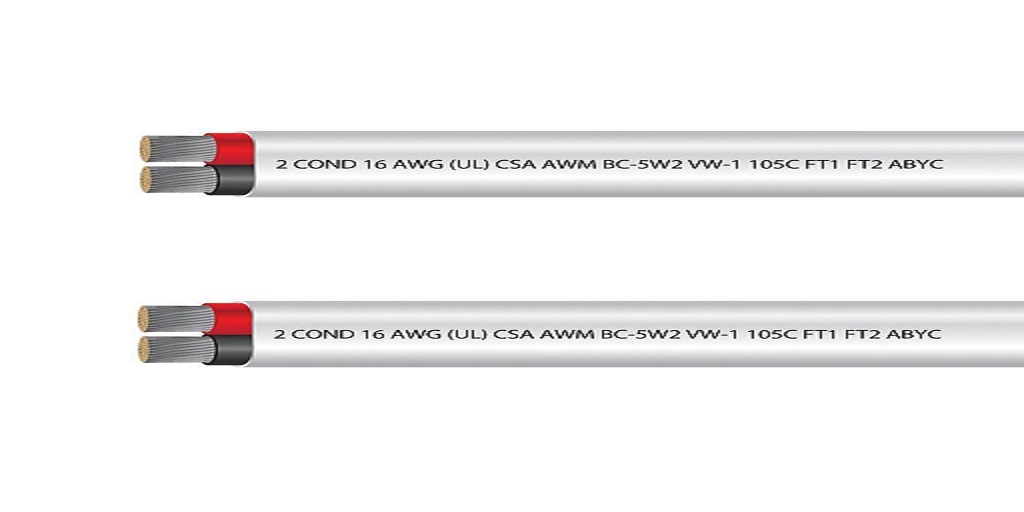
  5. Clearly marked polarity (red and black)
  6. Made in the USA labeling and vendor transparency

If you can’t confirm those details, it’s probably not worth running through your bilge or connecting to your battery bank.

Investing in Safety and Reliability

The right boat battery cables don’t just prevent frustrating maintenance, they help avoid critical failures when you’re miles from shore. With quality marine-grade cable, you spend more time enjoying the ride and less time troubleshooting below deck.

Boat owners who want the best in flexibility, corrosion resistance, and trusted U.S. manufacturing consistently choose EWCS. Their boat battery cables are built to meet the real demands of marine life so your vessel stays powered and protected where it counts.

Looking for cable that bends without breaking and performs without compromise? Visit EWCS online and explore their selection of American-made marine battery cables today.

For more information about Electrical Wire Supplier and Fire Alarm Cables Please visit: Electrical Wire & Cable Specialists.