Steel Detailing Services: Process, Benefits & Key Insights
Introduction
Steel detailing is a crucial process in the construction and manufacturing industries, ensuring that steel structures are designed, fabricated, and assembled with precision. It involves creating detailed drawings, plans, and specifications for structural steel components used in buildings, bridges, and industrial projects. High-quality steel detailing minimizes errors, enhances efficiency, and ensures compliance with industry standards.
In this guide, we will explore the fundamentals of steel detailing services, their benefits, and how to choose the right provider for your project.
Understanding Steel Detailing
What Is Steel Detailing?
Steel detailing is a specialized engineering process that involves creating accurate shop drawings and erection plans for steel structures. These drawings serve as a blueprint for fabricators and construction teams, ensuring that each steel component fits perfectly during assembly.
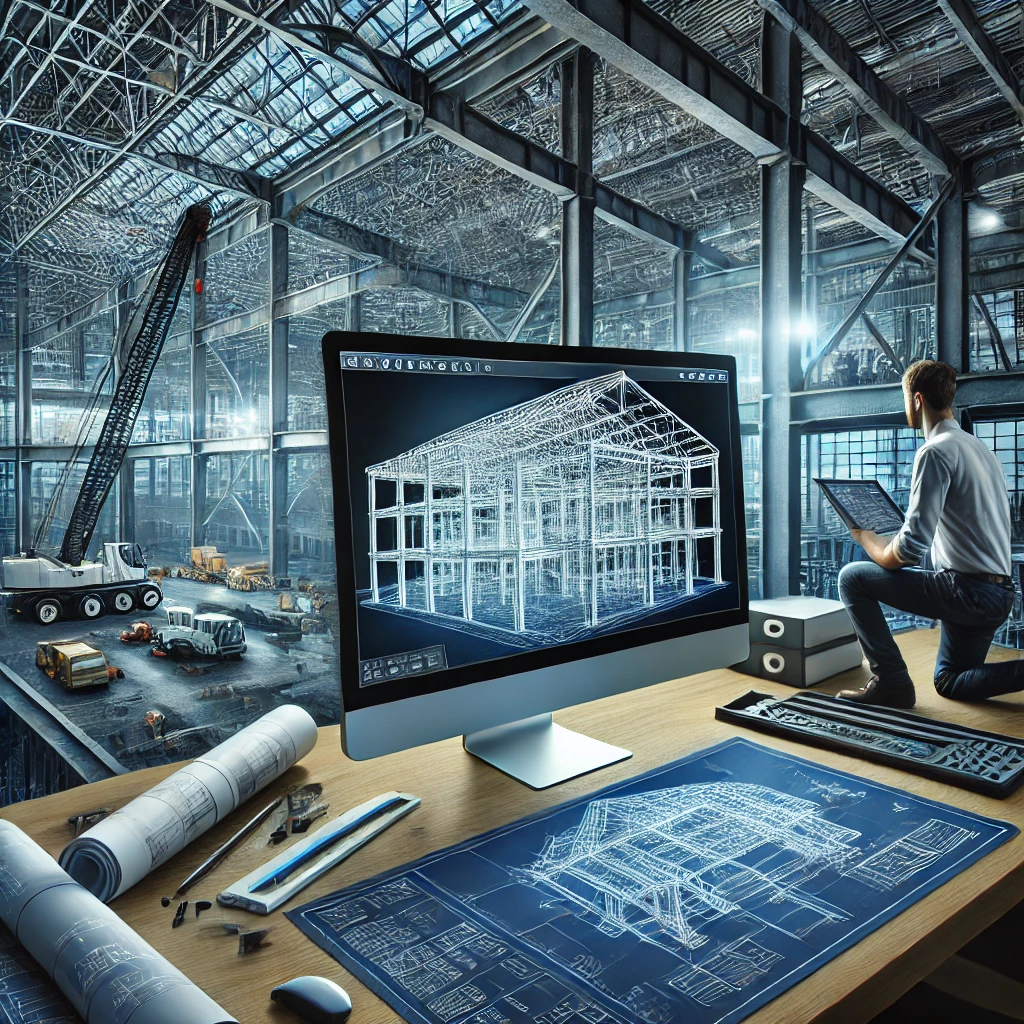
Steel detailers use advanced software like AutoCAD, Tekla Structures, and Advance Steel to generate precise 2D and 3D models. Their work bridges the gap between architects, engineers, and fabricators, translating design concepts into actionable construction plans.
Role of Steel Detailers
Steel detailers play a critical role in the construction process by:
- Developing detailed shop drawings for fabrication
- Preparing erection plans to guide installation
- Ensuring compliance with industry standards such as AISC, NISD, and ISO
- Coordinating with architects and engineers to resolve design conflicts
By ensuring accuracy and efficiency, steel detailing professionals contribute to the structural integrity and safety of buildings and infrastructure.
Key Components of Steel Detailing Services
Steel detailing services encompass various disciplines, each catering to specific aspects of structural steel design. The primary components include:
1. Structural Steel Detailing
Structural steel detailing focuses on the design and layout of beams, columns, trusses, and braces used in buildings, bridges, and towers. It ensures that structural elements are properly dimensioned, fabricated, and installed according to engineering specifications.
2. Rebar Detailing
Rebar detailing involves designing reinforcement bars (rebars) used in concrete structures. Detailers create bar bending schedules, placement drawings, and quantity estimates to ensure the reinforcement meets load-bearing requirements.
3. Miscellaneous Metal Detailing
This category includes detailing for non-structural steel components such as staircases, handrails, ladders, and grating. Although these elements are not primary load-bearing structures, their accurate detailing is crucial for safety and aesthetics.
The Steel Detailing Process
Steel detailing follows a structured workflow to ensure accuracy and efficiency in fabrication and construction. The process typically includes the following steps:
1. Initial Planning and Design Coordination
Before creating detailed drawings, steel detailers collaborate with architects, structural engineers, and project managers to understand design requirements and specifications. This phase includes reviewing blueprints, structural calculations, and project guidelines.
2. Creating Detailed Drawings
Steel detailers use CAD and BIM software to generate:
- Shop drawings – Detailed plans for fabricating individual steel components
- Erection drawings – Blueprints for assembling steel structures at the site
- Material lists – Breakdown of steel sections, bolts, and other materials needed
These drawings help fabricators and construction teams ensure precise cutting, welding, and assembly of steel components.
3. Quality Control and Accuracy Checks
Every detail in steel detailing drawings must be 100% accurate to prevent errors during fabrication and construction. Detailers use advanced checking tools and perform peer reviews to maintain precision.
4. Final Approval and Fabrication Support
After completing the drawings, they are submitted to engineers and contractors for approval. Any necessary revisions are made before fabrication begins. Steel detailers often provide on-site support to resolve technical issues and ensure smooth execution.
Advantages of Professional Steel Detailing Services
Hiring professional steel detailing services offers several benefits:
1. Increased Accuracy and Precision
Professional steel detailers utilize advanced software and industry best practices to eliminate errors and ensure exact measurements. This accuracy prevents costly fabrication and construction mistakes.
2. Cost-Effectiveness and Reduced Material Waste
Precise detailing helps optimize material usage, reducing waste and cutting costs. Efficient planning minimizes rework, speeding up project timelines and improving budget efficiency.
3. Compliance with Industry Standards
Steel detailing services follow strict guidelines set by organizations like:
- AISC (American Institute of Steel Construction)
- NISD (National Institute of Steel Detailing)
- ISO (International Organization for Standardization)
This ensures that the final structure meets safety regulations and engineering standards.
4. Streamlined Communication Between Teams
Steel detailers act as a bridge between architects, engineers, and fabricators. Their detailed drawings improve coordination, reducing misunderstandings and construction delays.
Industry Standards and Compliance
Steel detailing must comply with industry regulations to guarantee structural integrity and safety. The most widely recognized standards include:
1. AISC (American Institute of Steel Construction)
AISC sets the guidelines for structural steel design, fabrication, and erection in the U.S. These standards ensure that steel structures are durable, efficient, and safe.
2. NISD (National Institute of Steel Detailing)
NISD promotes best practices in steel detailing and provides certification programs for detailers, ensuring high-quality services across the industry.
3. ISO Standards for Structural Steel Detailing
The ISO 9001 and ISO 3834 standards apply to steel detailing services, ensuring consistency, quality control, and compliance with international regulations.
Technologies Used in Steel Detailing
Steel detailing has evolved significantly with advancements in digital technology. Modern tools enhance precision, efficiency, and collaboration in structural design.
1. CAD Software for Steel Detailing
Computer-aided design (CAD) software plays a crucial role in creating detailed drawings and 3D models. Some of the most widely used programs include:
- AutoCAD – A leading software for 2D and 3D steel detailing
- Tekla Structures – Advanced modeling for complex steel structures
- Advance Steel – Integrated with AutoCAD for better structural detailing
These tools improve accuracy, reduce manual errors, and streamline the fabrication process.
2. BIM (Building Information Modeling) Integration
BIM technology allows multiple stakeholders to collaborate on a digital model, improving coordination between architects, engineers, and fabricators. It helps detect design clashes early, reducing costly modifications later in the project.
3. Cloud-Based Project Management Tools
Cloud platforms enable teams to access and share steel detailing documents in real time, improving workflow efficiency. These tools help manage approvals, revisions, and quality control remotely.
Applications of Steel Detailing in Various Industries
Steel detailing is essential across multiple industries that rely on strong, durable, and precisely fabricated steel structures.
1. Commercial Buildings
High-rise office buildings, shopping centers, and stadiums require steel detailing for beams, columns, and support structures. Accurate detailing ensures structural integrity and load distribution.
2. Bridges and Infrastructure Projects
Steel detailing is vital in constructing bridges, tunnels, and overpasses. The process ensures that girders, trusses, and reinforcement bars fit perfectly, reducing risks of structural failure.
3. Industrial Structures and Manufacturing Plants
Factories, warehouses, and power plants rely on steel detailing for customized framework, machinery support, and material handling systems. Precision in detailing helps optimize space and enhances safety in industrial environments.
How to Choose the Right Steel Detailing Service Provider
Selecting the right steel detailing company is crucial to ensure project success. Here are some factors to consider:
1. Experience and Industry Expertise
Look for a company with extensive experience in steel detailing. Check their portfolio to see past projects in commercial, industrial, and infrastructure sectors.
2. Software and Technology Proficiency
A reliable provider should be proficient in using the latest CAD and BIM tools to enhance accuracy and efficiency in detailing.
3. Compliance with Industry Standards
Ensure that the company follows AISC, NISD, and ISO standards for steel detailing. This guarantees high-quality deliverables and compliance with safety regulations.
4. Client Reviews and Testimonials
Check reviews, testimonials, and case studies to gauge the company’s reliability and customer satisfaction. Positive feedback indicates a strong track record of successful projects.
5. Pricing and Turnaround Time
While cost is an important factor, don’t compromise on quality. Choose a provider that offers competitive pricing without sacrificing accuracy or efficiency. Also, confirm their ability to meet project deadlines.
Common Challenges in Steel Detailing and How to Overcome Them
Steel detailing is a complex process that requires extreme precision. Despite advancements in technology, certain challenges can arise. Here are some common issues and how to address them:
1. Managing Project Complexity
Large-scale projects involve numerous structural elements, making coordination difficult. Solution: Using BIM technology and cloud-based collaboration tools helps streamline workflows and ensures all stakeholders are aligned.
2. Ensuring Dimensional Accuracy
Even minor errors in steel detailing can lead to costly fabrication mistakes. Solution: Implementing strict quality control measures and automated error-checking tools in CAD software ensures accuracy.
3. Handling Design Modifications Efficiently
Frequent design changes can disrupt project timelines. Solution: Adopting a flexible workflow and using software like Tekla Structures or AutoCAD enables seamless revisions without affecting the entire detailing process.
Future Trends in Steel Detailing
The steel detailing industry continues to evolve with new technologies and methodologies improving efficiency. Here are some key trends shaping the future of steel detailing:
1. AI-Powered Automation in Detailing
Artificial Intelligence (AI) is being integrated into steel detailing software to automate repetitive tasks, detect errors, and optimize designs for faster project completion.
2. Advancements in 3D Modeling and Virtual Reality Applications
3D modeling and Virtual Reality (VR) are enhancing visualization, allowing engineers and fabricators to walk through a structure before actual construction, identifying potential issues early.
3. Cloud-Based Collaboration and Real-Time Data Sharing
More companies are shifting to cloud-based platforms, enabling real-time collaboration and remote access to project files, reducing delays in approvals and revisions.
Frequently Asked Questions (FAQs)
1. What is the difference between structural and miscellaneous steel detailing?
Structural steel detailing focuses on primary load-bearing elements such as beams and columns, while miscellaneous steel detailing includes non-structural components like handrails, ladders, and grating.
2. How does steel detailing contribute to construction safety?
Precise detailing ensures accurate fabrication and assembly, reducing errors that could lead to structural failures and safety hazards on construction sites.
3. What software is best for steel detailing?
Popular software for steel detailing includes AutoCAD, Tekla Structures, Advance Steel, and Revit, each offering advanced tools for 2D and 3D modeling.
4. How long does a steel detailing project typically take?
Project timelines vary depending on complexity, but small-scale projects may take a few weeks, while large commercial or infrastructure projects can take months.
5. What qualifications should a steel detailer have?
A professional steel detailer should have expertise in CAD software, knowledge of structural engineering principles, and familiarity with industry standards like AISC and NISD.
Conclusion
Steel detailing is an essential service in the construction and manufacturing industries, ensuring structural accuracy, safety, and efficiency. By leveraging advanced technologies and adhering to industry standards, steel detailing professionals contribute to seamless fabrication and assembly processes.
Whether you’re working on a commercial building, bridge, or industrial plant, choosing the right steel detailing service provider can make a significant difference in project success. Investing in professional steel detailing ensures compliance, minimizes errors, and enhances overall construction efficiency.
Learn about Professional Civil Engineering Services for Infrastructure and Construction Projects