
https://fuelpumpexpress.com

Aluminum Wire: Addressing Some Common Misconceptions

Let’s start with a heavy one. There is a common misconception out there that aluminum wire is or was banned at some point in the past.

This is because of the risk of fire when aluminum wire is not installed properly. It is not banned, never was banned (at least nationally), and only produces a risk of fire when not properly installed.

In fact, not only is it not banned but there are a lot of homes out there that have aluminum wire. Moreover, aluminum wire still has express use cases in construction and power transmission.

For instance, aluminum wire is still largely used in construction as aluminum triplex and quadruplex wire, for power service entry to buildings.

Part of this myth is that aluminum is dangerous. It has a different conductivity from copper as well as a different thermal expansion coefficient, which can result in the overheating and disconnection of terminals and connections (therein lies the fire risk) but with appropriate installation and inspection, these issues are effectively nonexistent.

The bottom line is that when installed appropriately, aluminum is a perfectly suitable alternative to copper.

Aluminum wire, uninsulated aluminum wire, is the preferred option for high-tension power cables and other overhead power transmission, not only because it is more affordable than copper, but because it is far lighter.

Actually, it’s worth noting that in some instances aluminum is also preferred to be used because it incurs a lower risk of theft, since it has a much lower market value than copper.

Now let’s talk about this common misconception that aluminum is not a good conductor, which is patently false.

While it is strictly speaking true that copper has a higher conductivity than aluminum, aluminum actually has a higher conductivity-to-weight ratio compared to copper, which in some instances makes it preferable.

In addition to this fact, there are numerous other advantages to aluminum, such as its low cost and high flexibility, which should be addressed.

Another misconception is that aluminum wire is not suspect to corrosion. Both copper and aluminum are subject to corrosion and exposed wire, cable and terminals should be protected with anti-corrosion compounds.

With that said, aluminum actually does offer slightly better innate protection against corrosion than copper does.

Lastly, there’s a pervasive myth out there that aluminum, perhaps due to the similarly fallacious concept that it doesn’t offer appropriate conductivity, is not appropriate for high-voltage applications.

This is false. Of course, the right gauge must be utilized, but as has already been illustrated, aluminum is the preferred conductor in high-voltage, overhead power transmission. They wouldn’t use it for that if it wasn’t good with high voltage.

Here for Aluminum Wire?

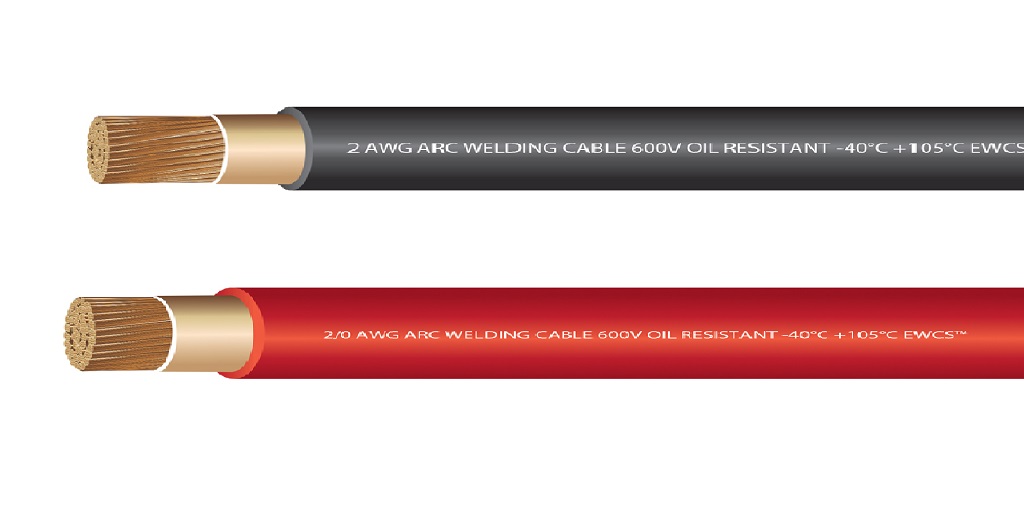
If you landed here looking for high-quality aluminum wire, you can learn more online at EWCS Wire. They carry a wide range of copper and aluminum wire including fire alarm and security cable, welding cable, marine cable and a variety of other specialized electrical cable.

For more information about Marine Battery Cables And Terminals and Belden Fire Alarm Cable Please visit: Electrical Wire & Cable Specialists.
Copper Wire Supplier: Common Questions

In need of a new copper wire supplier? Here are some of the more common questions we dredged up from the internet and posed before EWCS Wire, one of the preeminent copper wire dealers in the industry. See if your questions are answered and get in touch with them directly if not.

What Is the Prevailing Price of a Pound of Copper at the Current Time?

According to Amerigo, the average provisional price of a pound of copper in quarter 1 of 2025 was $4.42 per pound.

This represents a considerable increase from quarter 1 of 2020, when the average price of copper was less than $3 per pound.

Of course, it is also important to recognize that these prices are indicative of raw copper – not of copper wire which is used in electrical wiring. It does however raise questions about costs.

Why Is Copper So Expensive?

In short, because there is serious global demand for copper, and not just from the electrical industry.

While it is true that the electrical industry is placing a strain on available copper reserves, since the housing market is going wild and there is intense demand for available resources, there are other industries that sap up copper, too.

For one, the plumbing industry, also implicated passively through housing, puts a big demand on copper. So do arms manufacturers, which need copper in the production of brass casings, as well as for bullet jackets.

Of course, this is a very high-level view and should only serve as a jumping-off point, not a comprehensive analysis of the price of raw copper.

What’s Used for Electrical Wiring Besides Copper?

As a result of the ballooning costs of copper wire, there has been an increasing tendency to use aluminum wire in place of copper in construction, especially for power service entry.

One of the main areas in which aluminum is preferred in lieu of copper is for power service entry to buildings, in the form of aluminum triplex wire, and sometimes as quadruplex wire.

Not only is aluminum far more cost-effective than copper, it is lighter, easier to work with, more affordable to transport and handle, and less prone to corrosion.

So keep that in mind as you’re evaluating copper wire suppliers.

What Is Wire Gauge?

In North America, we use American Wire Gauge, or AWG, to measure wires, but regardless of which system you use, wire gauge measures the diameter of wire.

This is a crucial metric in electrical wire because the thickness of the wire will determine the voltage and current loads with which the wire can safely operate.

While wire of a greater thickness than needed can be used, the opposite is not true. Using a thinner wire than necessary increases the risk of overheating, fire, electric shock, and worse.

What Besides Gauge Is Important?

A wire’s insulation and how the wire is treated will also influence its suitability for a particular application. For instance, welding cables are made with thin conductors to improve flexibility, and marine battery wire is made with individually tinned conductors that resist corrosion.

The wire’s insulation will also dictate how effectively the conductor can resist corrosion, heat and flame-related damage, resistance to weather and sunlight, and much more.

Adding a New Copper Wire Supplier Into Your Rotation

Chances are you landed here looking up something about copper wire, but in the event you’re in need of a new copper wire supplier, make your first investigation into EWCS Wire. They carry a wide range of different aluminum and copper electrical wire and cable, including specialty cable like triplex and quadruplex wire, DLO cable, solar panel cable, and more.

For more information about Marine Battery Cables And Terminals and Belden Fire Alarm Cable Please visit: Electrical Wire & Cable Specialists.