
https://fuelpumpexpress.com

Why You Should Always Use AWG Marine Battery Cable on Boats

AWG marine battery cable is more expensive than automotive battery cable and more expensive than general AWG building wire. You might be thinking you can substitute one for the other and save some money.

Don’t do this, especially on board a boat, and even more so if the boat is a maritime vessel. The conditions experienced on inland waterways are bad enough. Saltwater changes the game entirely.

So, with no further ado, here are the top reasons you should never use anything other than AWG marine battery cable on board vessels, even though it’s more expensive.

The Big One: Corrosion Resistance

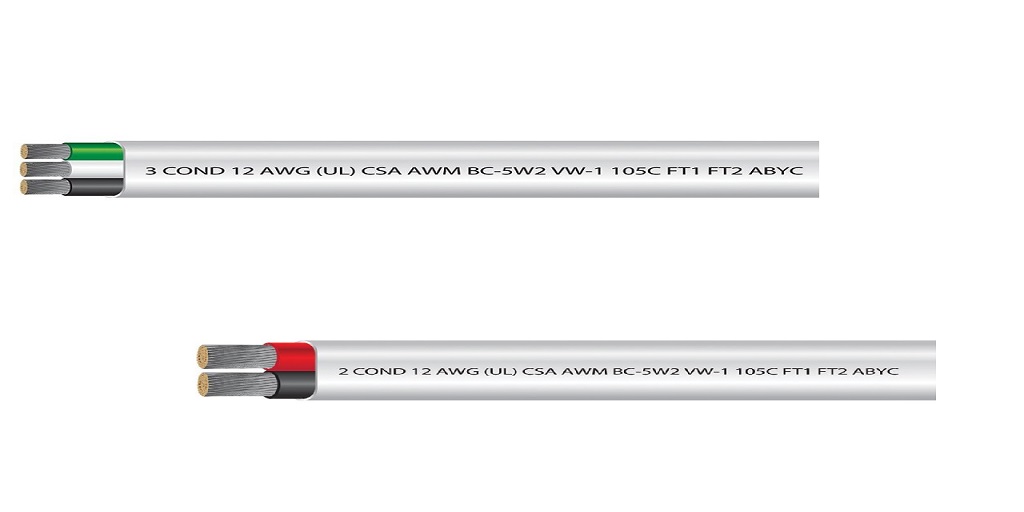
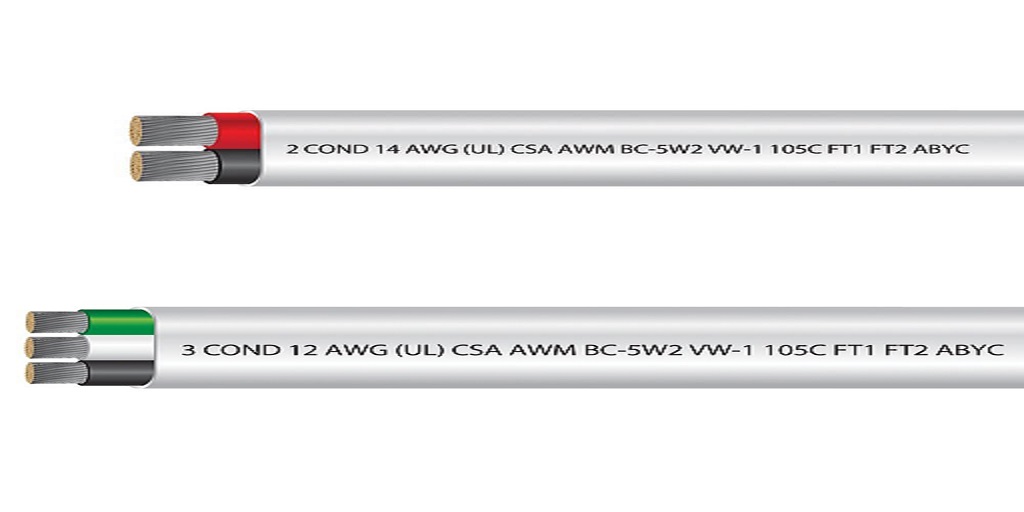
The main difference between AWG marine battery cable and standard battery cable is that marine battery wire’s conductors are individually tinned. If you look at them they look silver.

This process does add considerable expense to the wire, but it also provides an additional degree of insulation to the wire, underneath the insulation.

But it is well worth it. It’s impossible to use battery wire, and by extension, any wire, without making connections and exposing the wire.

You can be good about protecting it with dielectric grease or shrink tubing or other protective measures, but corrosive influences, especially on the water, will find a way in.

This is why the individual tinning is so valuable. What the outer jacket can’t protect, the tinning does protect. It is your last defense against corrosion and it is a good one.

Un-tinned, standard battery wire would quickly corrode at exposed connections, but the problem is not the lost connection (although that is a problem). It is that the corrosion would travel underneath the insulation.

Once that happens there’s nothing you can do but to replace the entire wire. Worse, if you don’t you’ll be lucky if the worst problem you experience is a failed circuit. Oftentimes, wires will overheat and they can cause fires on boats, which can be deadly.

So the bottom line is this: be careful when stripping wire and establishing connections, but be more assiduous about only using AWG marine battery cable when doing so in the first place.

Flexibility

One other note about AWG marine battery cable is that it is made with very finely stranded conductors. The effect of this is to keep the cable more flexible, which it does.

This is also a bonus because a more flexible battery cable is easier to work with and establishes connections more readily, with less torque and twisting, and less stress on the connection.

The more flexible a wire is, the better it will be to work with in the tight confines of a battery compartment. So while flexibility isn’t as important to safety as the corrosion protection is, it is still something to consider.

For More Information on AWG Marine Battery Cable

Interested in learning more about marine battery cable? You can learn more (and shop high-quality selections) online at EWCS Wire. Visit their website or contact their customer service for more information.

For More Information About Aluminum Wire and Boat Battery Cables Please Visit: Electrical Wire & Cable Specialists.
Why Off-Grid and RV Owners Rely on AWG Marine Battery Cable for Power That Lasts

Building a dependable off-grid or mobile power system means every connection matters: especially the ones between your batteries. Whether you’re living out of a van, managing an RV battery bank, or running a solar-powered setup at a remote cabin, the type of cable you use isn’t a minor detail. It’s a core decision that can impact everything from safety to long-term performance.

That’s why so many off-grid and mobile users are turning to AWG marine battery cable. While it was originally designed for boats and saltwater environments, it turns out this cable is just as valuable for land-based systems: especially when flexibility, corrosion resistance, and durability are top priorities.

Movement, Vibration, and Tight Spaces Are No Problem

Van conversions, RVs, and even fixed solar setups often require battery cables to be routed through awkward, confined areas. These installations see frequent vibration and movement: whether it’s from travel or outdoor elements. That’s where the high strand count of AWG marine battery cable makes a big difference.

Unlike cheaper, stiff wire with fewer strands, marine-grade cable uses finely stranded tinned copper. It stays flexible, making it easier to route around corners and through cramped compartments without cracking or stressing terminals. This also reduces fatigue on the wire over time, a key concern in mobile and off-grid setups where replacements aren’t always convenient.

Built to Withstand More Than Just Saltwater

One of the biggest benefits of marine-grade wire? It’s built for the worst environments: which means it performs even better in less extreme ones. In off-grid systems, especially those exposed to outdoor air, humidity, or variable temperatures, you need wire insulation that won’t degrade under stress.

A quality AWG marine battery cable typically features a durable outer jacket that resists abrasion, oil, acid, alkali, moisture, and even gasoline. That’s a major advantage for anyone dealing with battery compartments in dusty fields, hot trailers, or under-the-hood van conversions. If the cable can survive years of use in a salt-spray-filled engine room, it’ll handle a solar shed or RV just fine.

Tinned Copper for Long-Term Corrosion Resistance

For RVers and solar users alike, reliability matters more than anything. Rewiring a battery bank out in the middle of nowhere isn’t anyone’s idea of a good time. That’s why tinned copper conductors are a game-changer.

Tinning protects each copper strand from corrosion: especially at exposed ends or near connection points. Even if your cables are exposed to condensation, heat, or fluctuating temperatures, they’ll resist oxidation and keep current flowing with minimal resistance loss. It’s an overlooked detail that can add years to your system’s life without requiring extra maintenance.

AWG Sizing Helps Match Cable to Load

Off-grid setups vary widely in size and complexity, from small 12V battery banks for weekend trips to full 48V solar-powered home systems. Using AWG marine battery cable gives you the flexibility to scale your cable sizing according to amp draw and distance without sacrificing performance.

With sizing from 6 AWG all the way up to 4/0 AWG, there’s a marine-grade cable for just about every application. That makes it easier to match your system’s needs without overpaying or underestimating voltage drop, two common issues when cutting corners with generic wire.

A Smart Investment for DIY Installers and Long-Term Use

Off-grid and mobile power users tend to be hands-on. They care about how things are built and want materials that make sense, not marketing fluff. In that context, AWG marine battery cable stands out because it simply works and keeps working under stress.

It’s also a favorite among DIY installers who’ve dealt with the frustration of stiff wire, terminal corrosion, or brittle jackets in the past. Once you’ve used flexible, tinned copper cable that stays clean, easy to strip, and safe to route, it’s hard to go back.

When Performance Matters, Go Marine Grade

Your power system is only as reliable as the cable connecting it. For mobile, off-grid, and solar power applications, using a cable that can handle movement, heat, vibration, and exposure isn’t optional: it’s essential.

That’s why more DIYers, van lifers, and solar builders are choosing EWCS for their AWG marine battery cable needs. Made in the USA and trusted by marine professionals, these cables are built to deliver performance and peace of mind, no matter where your system takes you.

For more information about Electrical Wire Supply and Fire Alarm Cables Please visit:Electrical Wire & Cable Specialists.