
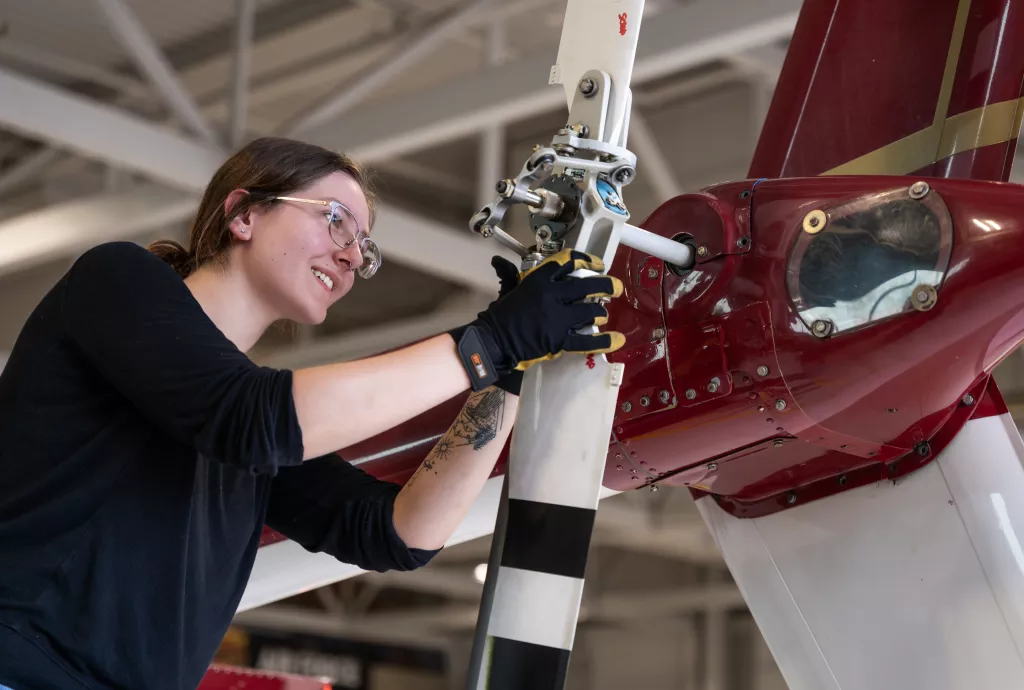
What Certifications Are Crucial For Aircraft Technicians?
The aviation industry relies heavily on the expertise of skilled aircraft technicians to keep flights safe, reliable, and efficient. These professionals are responsible for maintaining, inspecting, and repairing complex aircraft systems, ensuring that every component meets strict safety regulations. Earning the right certifications is not just a career milestone but also a regulatory requirement that ensures compliance with global aviation standards. Whether someone is working in Europe, Asia, or the U.S., certifications validate skills and open doors to global opportunities. For example, becoming a certified aircraft technician Florida can significantly boost career prospects while ensuring adherence to both national and international safety protocols.
Why Certifications Matter for Aircraft Technicians
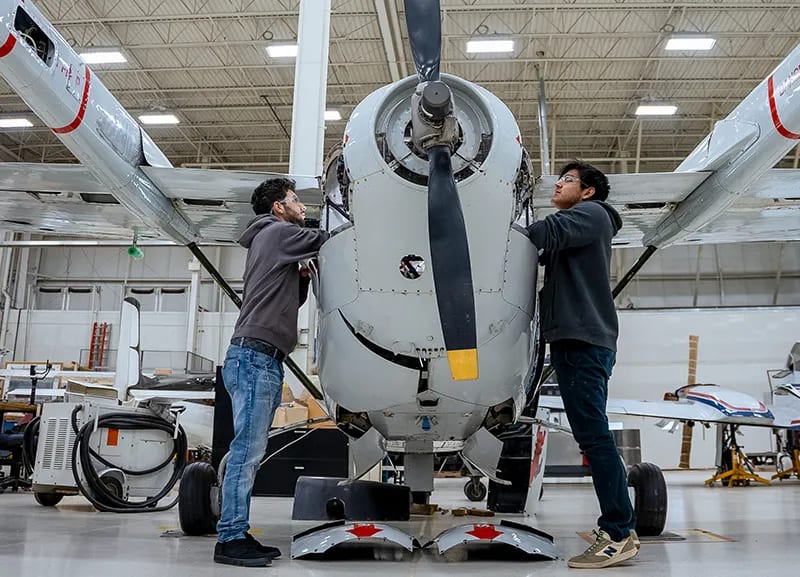
Aircraft technicians play one of the most critical roles in the aviation industry. Their work directly impacts passenger safety, aircraft performance, and compliance with international aviation standards. Certifications are not just formalities; they serve as proof that a technician has the skills, knowledge, and training required to perform highly technical maintenance tasks. Below are the main reasons certifications hold such importance.
Safety and Regulatory Compliance
Safety is the foundation of aviation, and no aircraft can take to the skies without strict adherence to regulations. Certified technicians are trained to follow procedures established by governing bodies such as the Federal Aviation Administration (FAA) in the United States or the European Union Aviation Safety Agency (EASA) in Europe.
- Compliance with International Standards – Certifications ensure that technicians meet global benchmarks set by organizations like the International Civil Aviation Organization (ICAO).
- Accident Prevention – Properly certified technicians are less likely to make errors that could lead to costly repairs or, worse, safety risks.
- Legal Requirements – Airlines and MROs are legally obligated to employ certified professionals, making certification non-negotiable.
Enhancing Job Opportunities and Career Advancement
In today’s competitive aviation market, having the right certifications can set a technician apart from others. Airlines and maintenance organizations seek professionals who can prove their qualifications and adapt to different aircraft types.
- Higher Employability – Certified technicians are more likely to be hired by major airlines, private aviation companies, and government organizations.
- Global Career Options – Certifications such as FAA A&P or EASA Part-66 are recognized worldwide, allowing technicians to work in multiple countries.
- Career Growth – With additional certifications, technicians can move into supervisory roles, specialize in avionics, or train to work on specific aircraft models from manufacturers like Boeing and Airbus.
Building Trust with Airlines, MROs, and Passengers
Trust is a valuable currency in aviation. Airlines and MRO providers must rely on technicians who can consistently deliver safe, efficient, and regulation-compliant work. Passengers, too, place their safety in the hands of these professionals.
- Airline Confidence – Airlines trust certified technicians to maintain their fleets to the highest standard, reducing downtime and avoiding regulatory penalties.
- Customer Assurance – Passengers may not meet the technicians behind the scenes, but their confidence in flying depends on the assurance that certified professionals are maintaining the aircraft.
- Industry Reputation – For technicians, holding certifications builds credibility, showing employers and peers that they have invested in professional excellence.
Key Certifications for Aircraft Technicians
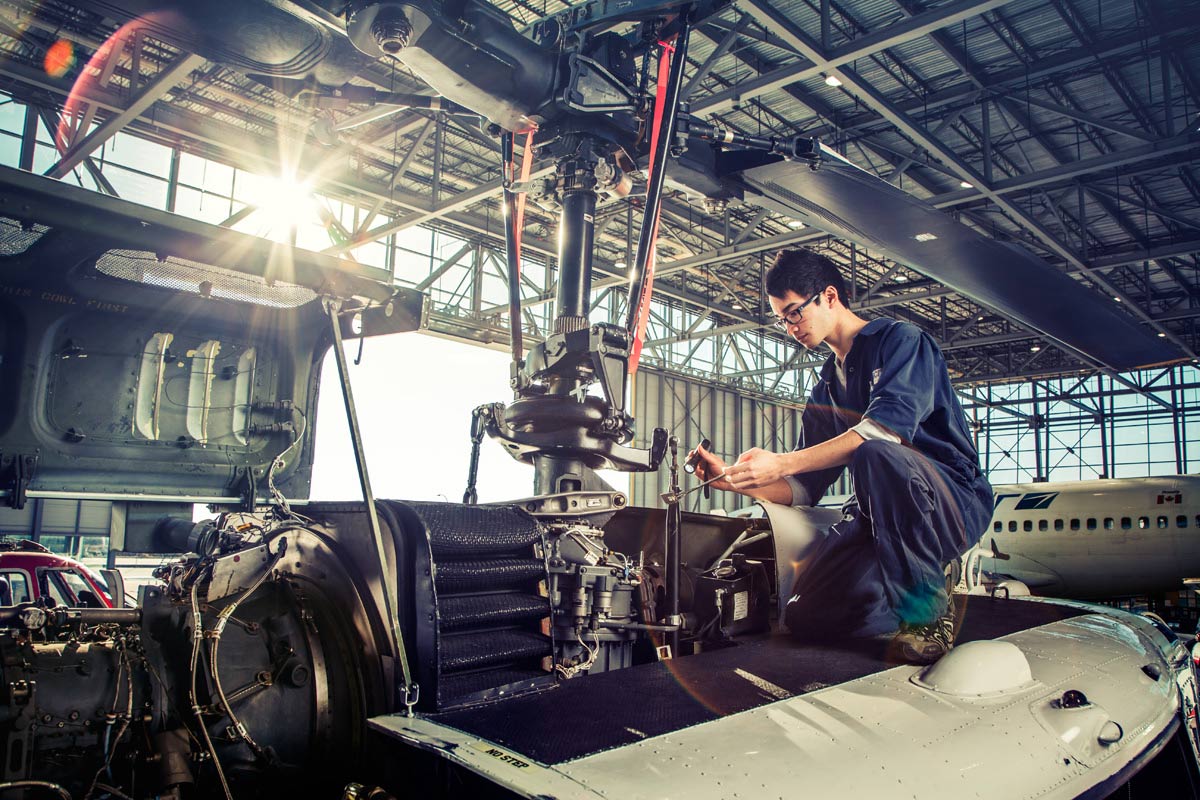
To work in aviation maintenance, technicians must earn specific certifications that validate their knowledge and technical skills. These credentials not only meet legal and safety requirements but also open the door to career opportunities worldwide. Below are the most important certifications every aspiring or practicing aircraft technician should consider.
FAA Airframe and Powerplant (A&P) Certification
The FAA Airframe and Powerplant (A&P) certification is the gold standard for aircraft technicians in the United States. It allows professionals to inspect, maintain, and repair both the aircraft’s structural components (airframe) and its engines (powerplant).
- What It Covers – With this certification, technicians can perform a wide range of tasks, from fixing landing gear and hydraulic systems to troubleshooting engines and electrical components.
- Requirements – To qualify, candidates must complete approved training at an FAA-recognized aviation maintenance school or gain practical experience (usually 30 months of documented work). Afterward, they must pass written, oral, and practical exams administered by the FAA.
- Why It’s Recognized – The FAA A&P is highly respected because it meets rigorous safety and technical standards, making it a must-have credential for anyone who wants to work with U.S. airlines, private aviation, or even globally recognized MRO organizations.
EASA Part-66 Aircraft Maintenance Licence (AML)
For those seeking careers in Europe or with international airlines, the EASA Part-66 Aircraft Maintenance Licence (AML) is the primary certification. It ensures technicians are qualified under European Union regulations.
- Overview – The AML permits holders to certify aircraft for release to service after maintenance. It is issued by the European Union Aviation Safety Agency (EASA) and widely recognized by airlines across Europe and beyond.
- Categories – The AML is divided into categories based on specialization:
- Category A – Line maintenance (simple tasks).
- Category B1 – Mechanical (airframes, engines, mechanical systems).
- Category B2 – Avionics (electrical and electronic systems).
- Category B3/C – Light aircraft and combined responsibilities.
- Why It’s Important – Holding an EASA AML allows technicians to work across European nations and many international airlines that adopt EASA standards, making it highly valuable for career mobility.
ICAO Standards and Endorsements
The International Civil Aviation Organization (ICAO) provides a global framework that countries adopt into their national licensing systems. While ICAO itself does not issue licenses, its standards influence aviation authorities worldwide.
- Global Recognition – ICAO ensures that technicians trained under FAA, EASA, or other regional authorities meet baseline international requirements.
- How It Works – National aviation authorities (like the FAA in the U.S. or DGCA in India) align their licensing systems with ICAO guidelines, ensuring interoperability and safety across borders.
- Why It Matters – For technicians aiming for international mobility, ICAO alignment ensures their certifications are recognized and respected in multiple jurisdictions.
OEM (Original Equipment Manufacturer) Training & Certifications
Aircraft manufacturers such as Boeing, Airbus, GE Aviation, and Rolls-Royce offer specialized training programs for technicians. These certifications are essential for working on specific aircraft or engines.
- Scope of Training – OEM training typically covers aircraft-specific systems, troubleshooting methods, and updates on the latest technologies.
- Why It’s Crucial – Airlines and MROs often require technicians to hold type-specific certifications before they can perform work on particular aircraft models. For example, working on an Airbus A350 or Boeing 787 requires official type training.
- Career Advantage – Holding OEM certifications makes technicians highly competitive, especially with airlines operating diverse fleets.
Additional Specialized Certifications
Beyond the core FAA and EASA licenses, technicians can pursue additional specialized certifications that strengthen their expertise.
- Avionics Certifications – Cover advanced electronic and communication systems, increasingly vital as modern aircraft rely heavily on avionics.
- Non-Destructive Testing (NDT) Certifications – Focus on inspection techniques that identify hidden flaws in materials and structures without damaging them.
- Safety and Compliance Courses – Programs such as OSHA (Occupational Safety and Health Administration) training, Human Factors in Aviation, and Environmental Safety Certifications ensure technicians work safely and efficiently in compliance with industry standards.
Certification Pathways: How to Get Started
Becoming a certified aircraft technician requires dedication, structured training, and meeting regulatory standards. The pathway may vary depending on the country and certification body, but the core steps remain similar worldwide. Here’s a breakdown of how aspiring technicians can get started.
Typical Requirements: Education, Training, and Exams
Aircraft maintenance is a highly technical field, so candidates must meet specific educational and training requirements before earning certification.
- Educational Background – Most aviation authorities require at least a high school diploma or equivalent with strong foundations in mathematics, physics, and mechanical sciences. Some regions may prefer candidates with vocational or engineering degrees.
- Hands-On Training – Practical experience is essential. For example, the FAA A&P certification requires 18 months of experience in either airframe or powerplant, or 30 months combined. Similarly, EASA requires approved training plus hands-on experience logged under supervision.
- Examinations – Certification exams usually consist of written, oral, and practical tests. These assess technical knowledge, safety awareness, and real-world problem-solving skills to ensure candidates are fully prepared for industry demands.
Role of Aviation Maintenance Schools
Enrolling in an accredited aviation maintenance school is often the fastest and most reliable pathway to certification. These institutions are approved by aviation authorities like the FAA, EASA, or other national bodies.
- Structured Learning – Schools provide a mix of classroom instruction and practical training, covering aircraft systems, avionics, engines, and safety standards.
- Industry Connections – Many schools partner with airlines, MROs, and manufacturers, giving students access to internships and job placement opportunities.
- Accelerated Pathways – Completing an approved program can shorten the time required to qualify for certification exams compared to gaining experience informally.
Tips for Choosing the Right Certification Based on Career Goals and Region
Not all certifications serve the same purpose, and choosing the right path depends on career goals, geographical location, and the type of aviation work you want to pursue.
- Work in the U.S. – The FAA A&P certification is mandatory for most technician roles. If your goal is to work in American airlines, MROs, or private aviation, this should be your first target.
- Work in Europe – For technicians planning a career in European countries, the EASA Part-66 AML is essential. It also holds value in other regions where EASA standards are recognized.
- Global Opportunities – If your dream is to work internationally, aim for certifications that are globally recognized, such as FAA and EASA. Adding OEM training (like Airbus or Boeing type ratings) further boosts mobility.
- Specialized Careers – If you prefer focusing on specific areas like avionics or NDT (Non-Destructive Testing), additional specialized certifications can help carve a niche career path.
Career Benefits of Aircraft Technician Certifications

Obtaining the right certifications as an aircraft technician doesn’t just fulfill regulatory requirements—it also unlocks significant career advantages. From boosting income potential to accessing international opportunities, certifications act as a passport to professional success in aviation.
Higher Earning Potential
Certified technicians consistently earn more than their uncertified counterparts because their skills are officially validated. Airlines and MROs are willing to pay a premium for professionals who can legally sign off on maintenance work.
- Salary Advantages – In the U.S., FAA A&P-certified technicians typically command higher wages than non-certified workers. Similarly, EASA Part-66 license holders in Europe benefit from competitive pay packages.
- Overtime and Specialization – Technicians with specialized credentials, such as avionics or OEM training, can take on higher-paying roles that involve complex aircraft systems or new-generation fleets.
- Job Security – Certification ensures consistent demand, as airlines must employ qualified personnel to comply with safety regulations.
Access to Global Job Markets
Aviation is one of the most globalized industries, and certifications provide technicians with the ability to work across borders.
- Worldwide Recognition – Credentials like FAA A&P and EASA Part-66 AML are accepted internationally, allowing technicians to apply for roles in different regions.
- Flexibility and Mobility – Certified professionals can shift between commercial airlines, private aviation, and even aerospace companies without starting their careers from scratch.
- International Projects – Many certified technicians get opportunities to work on global assignments, including aircraft delivery, heavy maintenance checks, or emergency repair operations.
Opportunities in Commercial Airlines, Private Aviation, and Defense Sectors
Aircraft maintenance certifications open doors across diverse aviation sectors, giving technicians flexibility in career choices.
- Commercial Airlines – Certified technicians are essential for large-scale carriers to maintain passenger fleets safely and efficiently.
- Private and Corporate Aviation – High-net-worth individuals and corporations rely on certified professionals to maintain private jets, often offering attractive pay and travel benefits.
- Defense and Military Aviation – Governments and defense contractors employ certified technicians to maintain military aircraft, drones, and specialized fleets, offering stable and prestigious career paths.
Future Trends in Aircraft Technician Certifications
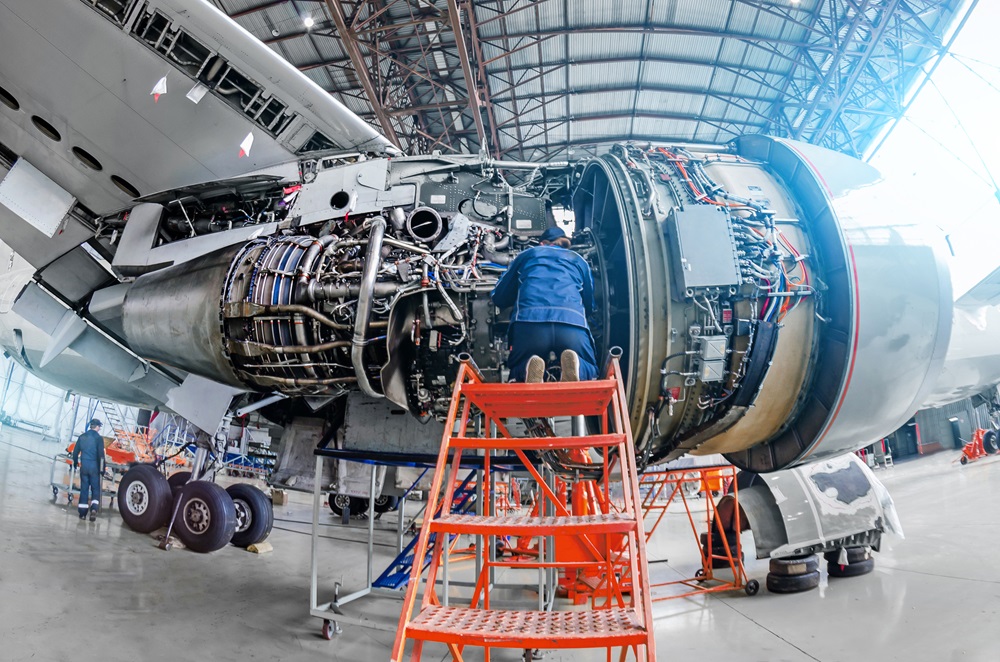
As aviation technology evolves, the role of aircraft technicians is expanding far beyond traditional maintenance. The industry is moving toward greener, smarter, and more digital solutions, which means certifications will continue to evolve to match these new demands. Staying updated with continuous learning is no longer optional—it’s a necessity for career longevity and growth.
Importance of Continuous Learning in Emerging Technologies
The aviation industry is rapidly adopting next-generation technologies, and technicians will need specialized training and certifications to keep pace.
- Electric and Hybrid Aircraft – With companies developing electric and hybrid-powered aircraft to reduce carbon emissions, technicians will require training in battery systems, high-voltage safety, and electric propulsion maintenance.
- Drones and Unmanned Aerial Systems (UAS) – The demand for drone maintenance is increasing in sectors like logistics, agriculture, and defense. Certifications in UAS maintenance and inspection will soon become standard for technicians entering this field.
- Sustainable Aviation Initiatives – As airlines explore biofuels, hydrogen propulsion, and eco-friendly materials, technicians will need new certifications covering green technologies and sustainable maintenance practices.
- Digital Aviation & Smart Maintenance – The integration of AI, predictive analytics, and digital twin technology in aircraft maintenance will require technicians to learn advanced software tools and data-driven troubleshooting.
Potential Upcoming Certifications
With these technological shifts, new certifications are expected to emerge that reflect industry needs.
- Electric Propulsion Certification – Covering maintenance and safety protocols for electric and hybrid propulsion systems.
- UAS (Drone) Technician Certification – Recognized credentials for technicians working with commercial drones and autonomous aerial vehicles.
- Hydrogen and Sustainable Fuel Systems Certification – Focused on emerging clean-energy aircraft technologies.
- Cybersecurity in Aviation Maintenance – With increasing reliance on digital systems, technicians may need credentials that cover data protection and system integrity in avionics.
- Advanced Avionics and AI Integration Certifications – Preparing technicians to manage aircraft with more automated systems and advanced electronics.
Conclusion
Certifications are the backbone of an aircraft technician’s career. They not only validate technical expertise but also ensure compliance with global safety standards, making them essential for every professional in the aviation industry. From the FAA A&P certification in the United States to the EASA Part-66 AML in Europe and specialized OEM training, each credential strengthens a technician’s ability to work confidently and effectively on modern aircraft.
FAQs
1. What is the most important certification for aircraft technicians?
The FAA Airframe and Powerplant (A&P) certification is considered the most important for aircraft technicians in the United States. It qualifies professionals to inspect, repair, and maintain both the airframe and powerplant systems of aircraft, making it essential for most aviation maintenance careers.
2. Is an EASA Part-66 Licence the same as FAA A&P?
No. The EASA Part-66 Aircraft Maintenance Licence (AML) is the European equivalent of the FAA A&P certification. While both are highly respected, they are issued by different aviation authorities and recognized in different regions. Many technicians pursue both if they want global career opportunities.
3. How long does it take to become a certified aircraft technician?
The timeline depends on the certification path. For example, earning an FAA A&P certification typically takes 18 to 30 months of training and experience, plus passing exams. EASA Part-66 can take 2–5 years, depending on the category and training program.
4. Do aircraft technicians need continuous training after certification?
Yes. Aviation technology evolves constantly, and technicians must stay updated through recertifications, type ratings, and specialized training from OEMs like Boeing and Airbus. Emerging areas such as electric aircraft, drones, and sustainable aviation may also require new certifications in the near future.
5. Can certified aircraft technicians work internationally?
Yes, but it depends on the certification. FAA A&P and EASA Part-66 are widely recognized worldwide, allowing technicians to work in multiple regions. However, some countries may require additional local approvals or endorsements in line with ICAO guidelines.