
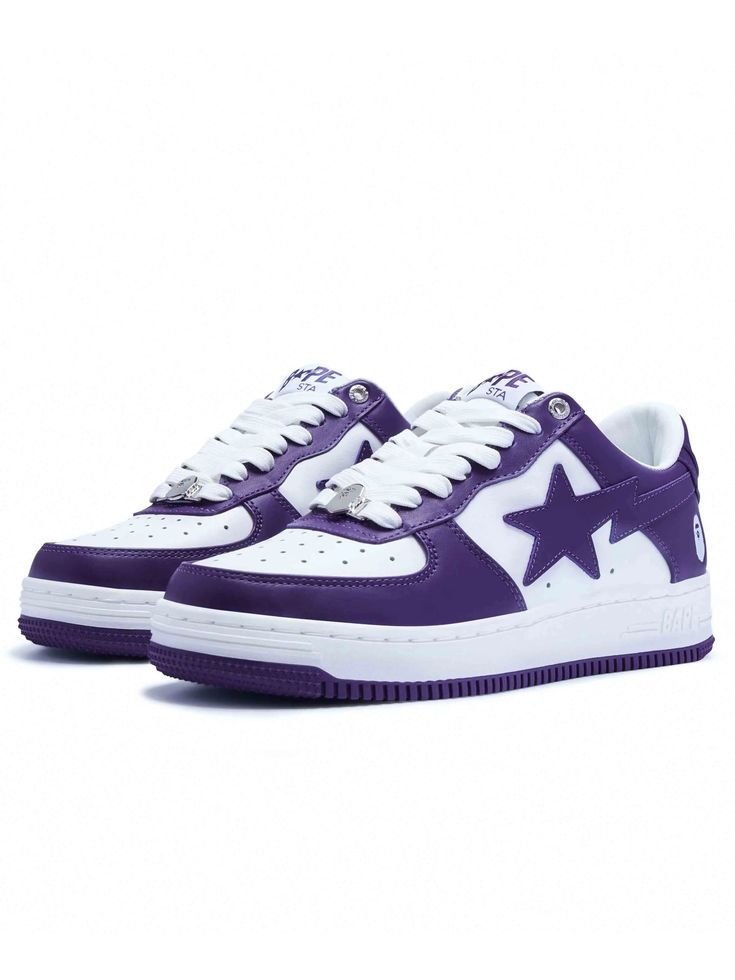
Air Jordan 4 A Timeless Icon in Sneaker Culture
The Air Jordan 4, first released in 1989, stands as one of the most iconic and enduring sneakers in both basketball and streetwear history. Designed by the legendary Tinker Hatfield, the shoe was a pivotal moment not only in Michael Jordan’s career but also in the evolution of sneaker design and marketing. From the hardwood floors of the NBA to the sidewalks of urban fashion capitals, the Air Jordan 4 has transcended its athletic roots to become a symbol of style, innovation, and cultural relevance.
The Origins: A Follow-Up to a Legend
Following the massive success of the Air Jordan 3—which saved Nike’s relationship with Michael Jordan—the expectations for the next installment were sky-high. Tinker Hatfield, who had already proven himself with the design of the AJ3, returned with fresh ideas that would push the boundaries of what a basketball sneaker could be.
Released during the 1988–1989 NBA season, the Air Jordan 4 featured several firsts: it was the first Jordan model to be released globally and the first to incorporate over-molded mesh for improved breathability. Hatfield’s vision was bold—he introduced a supportive “wings” system on the sides for custom lacing, a visible Air-Sole unit in the heel, and a slimmer silhouette compared to previous Jordans.
Jordan himself had a stellar season in the AJ4s, famously hitting “The Shot” over Craig Ehlo during the 1989 playoffs. That moment, immortalized on highlight reels, helped cement the Air Jordan 4 in sports lore. The shoe wasn’t just part of the action—it was part of the story.
Design Features: Function Meets Style
One of the Air Jordan 4 standout features is its combination of function and flair. The sneaker introduced plastic wing eyelets that allowed wearers to adjust their lacing for a customized fit—an innovation that made it appealing not only for athletes but also for casual wearers seeking comfort.
The upper combined leather with breathable mesh panels, offering durability without sacrificing ventilation. The midsole, which included both a forefoot and heel Air unit, provided superior cushioning, making it ideal for high-impact sports. The iconic heel tab with Nike Air branding (on OG models) or Jumpman logo added to the aesthetic appeal.
The colorways also played a crucial role in the shoe’s identity. The original lineup—White/Cement Grey, Black/Red (Bred), White/Fire Red, and Military Blue—offered versatile, bold looks that appealed to a wide audience. Each had its own personality, and each became an instant classic.
Cultural Impact: More Than a Basketball Shoe
While the Air Jordan 4 made headlines in the NBA, its cultural crossover is what gave it staying power. In 1991, the shoe appeared in Spike Lee’s film Do the Right Thing, further cementing its place in urban culture. The scene where a character gets his white/cement AJ4s scuffed became an iconic moment in sneaker cinema, highlighting just how important Jordans had become to everyday identity and pride.
Spike Lee himself was a major part of Jordan brand marketing, reprising his Mars Blackmon character from earlier commercials to promote the AJ4. These ads were funny, smart, and street-savvy, helping the Jordan brand connect with a younger, style-conscious demographic.
Over the years, the Jordan 4 has been embraced by hip-hop artists, fashion designers, skaters, and collectors. It’s appeared in music videos, on album covers, and on runways. Collaborations with brands like Levi’s, Off-White, and Union LA have brought new interpretations to the silhouette, each adding a fresh twist while paying homage to the original.
Resurgence and Retro Releases
The Air Jordan 4 has never truly gone out of style. It has seen numerous retro releases, often selling out within minutes. Some of the most coveted models include the 2012 “Thunder” and “Lightning” editions, the Off-White x AJ4 in “Sail,” and the Travis Scott “Cactus Jack” colorway.
What makes the AJ4 such a successful retro sneaker is its timeless design and emotional nostalgia. For many fans, owning a pair isn’t just about fashion—it’s about reliving moments, celebrating history, and expressing individuality.
Nike has skillfully maintained the Jordan 4’s relevance by balancing classic reissues with modern updates. Whether it’s restoring the OG “Bred” with Nike Air on the heel or experimenting with premium materials, each release feels deliberate and respectful of the legacy.
Legacy: A Sneaker That Continues to Inspire
As the sneaker industry has exploded into a multi-billion-dollar enterprise, the Air Jordan 4 remains a benchmark. It represents a golden era of innovation, when sneakers weren’t just performance gear but symbols of culture and identity.
Collectors and casual fans alike recognize the AJ4 as more than a shoe. It’s a piece of design history, a relic of sports greatness, and a cultural artifact. Even decades after its debut, it competes with newer models and continues to influence designers and athletes around the world.
From its origins on the basketball court to its status as a fashion staple, the Air Jordan 4 has proven itself to be much more than just another sneaker. It’s a timeless icon—one that will likely continue to inspire, evolve, and define generations to come.