
Is Your Swimming Pool’s Water Supply Costing You More Than It Should?
Owning a swimming pool is a luxury, but are you unknowingly overpaying to keep it filled? Many pool owners don’t realize that their swimming pool water supply strategy could be draining their wallets faster than their pools evaporate in the summer heat! Let’s break down the true cost of pool water, ways to cut expenses, and smart water-saving strategies to keep your pool full without breaking the bank.
Why Your Pool Water Supply Matters
Did you know that filling and maintaining your pool could cost you hundreds or even thousands of dollars per year? The good news is that small changes in your water supply strategy can make a big difference in your expenses.
Many pool owners believe:
❌ Water is a one-time cost – Not true! Evaporation, splash-out, and maintenance refills add up.
❌ All water sources are the same – Some require extra treatment, filtration, or hidden fees.
❌ There’s no way to save money on pool water – Actually, there are plenty of cost-saving tricks!
Let’s dive into the details.
How Much Water Does Your Pool Actually Need?
First, let’s figure out how much water we’re talking about.
💦 Formula to Estimate Pool Water Volume:
📏 Rectangular Pool: Length × Width × Average Depth × 7.5 = Gallons
📏 Round Pool: Diameter × Diameter × Average Depth × 5.9 = Gallons
Common Pool Water Capacities:
- Small above-ground pools: 5,000 – 10,000 gallons
- Medium inground pools: 15,000 – 25,000 gallons
- Large pools: 30,000+ gallons
But here’s the kicker—your pool doesn’t just need water once! On average, pools lose 1-2 inches of water per week due to evaporation and splashing, meaning thousands of extra gallons per year.
The Real Cost of Filling and Maintaining a Pool
Municipal Water Rates (Tap Water)
- Average cost: $4-$10 per 1,000 gallons
- A 20,000-gallon pool could cost $80-$200 to fill!
- Extra charges for sewage fees in some areas
Hidden Costs of Pool Water Usage
💰 Chemical balancing – Impure water needs extra treatment.
💰 Filtration wear-and-tear – Hard water or well water may damage filters.
💰 Draining and refilling fees – Some cities charge wastewater disposal fees.
Comparing Water Supply Options: Which One Saves You the Most?
| Water Source | Cost | Speed | Quality |
|---|---|---|---|
| Tap Water | Medium | Slow | Pre-treated, may need balancing |
| Well Water | Free (if you have a well) | Medium | May contain minerals/metals |
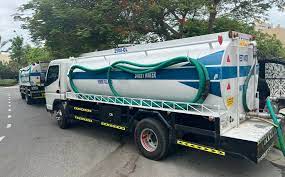
| Water Delivery | High | Fast | Pre-treated but expensive |
| Rainwater | Free | Slow | Requires filtration |
| Fire Hydrant | Medium | Very Fast | May need city approval |
Water Waste and What’s Draining Your Wallet
🚰 Top 3 Water-Wasting Mistakes Pool Owners Make:
- Overfilling the pool – Leads to expensive overflow.
- Not using a pool cover – Evaporation can waste 30% or more of your water!
- Frequent draining and refilling – Proper maintenance can extend water lifespan.
Cost-Saving Strategies for Your Pool Water Supply
💡 Smart Ways to Cut Pool Water Costs:
✔ Fill during off-peak hours – Some water companies charge less at night.
✔ Use a pool cover – Saves up to 50% of evaporation loss.
✔ Collect and filter rainwater – A sustainable and free alternative!
✔ Check for leaks regularly – Even a small leak can waste thousands of gallons.
How to Optimize Pool Chemistry to Reduce Water Costs
Keeping your pool balanced and clean means you won’t have to drain and refill as often.
✔ Maintain proper pH and alkalinity levels to prevent cloudy water.
✔ Use a high-efficiency filtration system to extend water lifespan.
✔ Shock your pool when needed to prevent algae buildup.
When Should You Refill Your Pool vs. Just Topping It Off?
🔹 Signs It’s Time for a Full Refill:
- Extreme algae growth
- Chemical imbalance that’s impossible to fix
- Too much calcium or dissolved solids in the water
🔹 Otherwise, just top it off and adjust chemicals!
Common Mistakes That Lead to High Water Bills
🚫 Ignoring leaks – Even a small drip wastes thousands of gallons.
🚫 Overusing backwashing – Can waste 200-300 gallons per cleaning cycle.
🚫 Neglecting chemical balance – Poor maintenance leads to unnecessary draining.
Conclusion: The Best Way to Keep Your Pool Water Costs Low
By choosing the right water source, minimizing waste, and maintaining your pool properly, you can save hundreds of dollars every year. A little planning goes a long way in keeping your pool full, fresh, and budget-friendly!
Click here to read more: https://www.sttransport.ae/swimming-pool-water-supply-in-dubai/
FAQs
1. How much does it cost to fill a pool?
It varies by location, but $80-$200 is common for a 20,000-gallon pool using municipal water.
2. Is well water cheaper for pools?
Yes, it’s free if you have a well, but it may require extra filtering and chemical balancing.
3. How can I make my pool water last longer?
Use a pool cover, balance chemicals, and minimize backwashing.
4. Does a pool cover really save water?
Absolutely! It can cut evaporation loss by 50% or more.
5. How often should I replace my pool water?
Generally, every 3-5 years, unless issues arise.