Roadworthy Check: Preparing Your Car Made Easy
Have you ever wondered about the importance of maintaining your car’s roadworthiness? Or maybe you’ve questioned how best to prepare your car for a roadworthy check? If these queries have ever crossed your mind, then you’re in the right place. In this blog post, we delve into the world of roadworthy checks, offering practical advice and shining a light on some of the complex issues that surround this crucial aspect of car maintenance.
Keeping a car roadworthy isn’t just about avoiding fines or passing checks—it’s about ensuring the safety of you, your passengers, and other road users. In this comprehensive guide, we’ll unravel the mystery behind making a car roadworthy, explaining what the process involves, common issues that can arise, and how you can best prepare your vehicle for examination.
As a car owner, no doubt you value the ability to get from A to B safely and without a hitch. So, this discussion is about much more than ticking boxes—it’s a critical part of vehicle ownership and road safety in general. Let’s buckle up and get started.
What Constitutes a Roadworthy Vehicle?
Firstly, it’s essential to understand what ‘roadworthy’ means in the context of a car. A roadworthy vehicle is one that meets the minimum safety standards defined by your local jurisdiction or regulatory body. This encompasses everything from the condition of the tires and brakes to the functioning of seat belts and lights.
Therefore, routine checks and maintenance are not just advisable, but mandatory. It’s not unheard of for vehicle owners to be unaware of failing components until they experience a mishap or fail a roadworthy inspection. To avoid such unpleasant surprises, being proactive and developing a thorough understanding of roadworthiness essentials is key.
Importance of Roadworthiness
The importance of roadworthiness cannot be understated. At its core, it’s about maintaining safety on the roads for all users. A vehicle in poor condition can cause accidents, harming not only you and your passengers but also other innocent road users.
Furthermore, achieving and maintaining roadworthiness helps enhance your vehicle’s longevity and performance. It allows small, fixable issues to be identified and rectified before they magnify into costly repairs. Think of it as an investment – money well spent to prevent potential breakdowns and expensive repairs down the line.
On a broader scale, roadworthy vehicles contribute to reducing environmental pollution. Regular maintenance ensures your vehicle runs efficiently, producing fewer harmful emissions and contributing to cleaner air.
Components of a Roadworthy Check
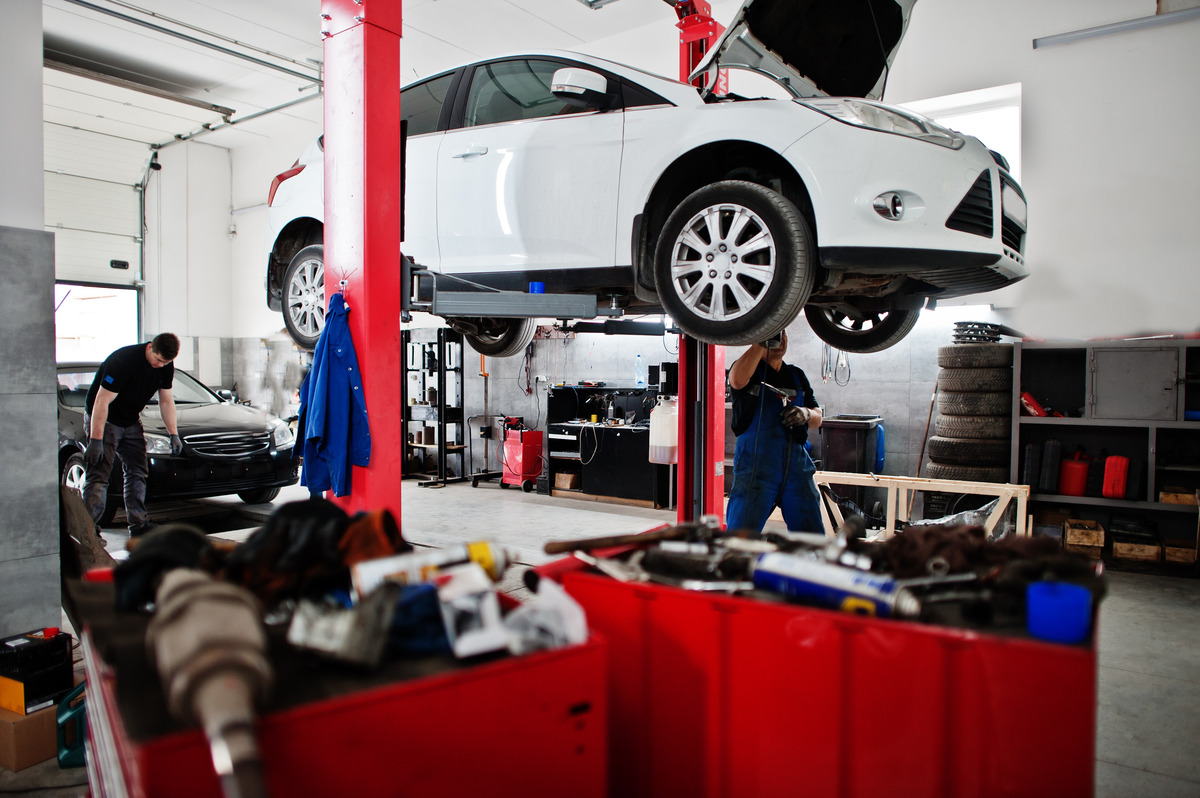
A typical roadworthy check comprises several elements, including brakes, tires, lights, windscreen, mirrors, and others. A thorough examination can help identify potential hazards that may compromise the safety and performance of your vehicle.
The braking system represents a risk factor that technicians always scrutinize closely. Tyres condition and tread depth are other vital aspects of a check, as they significantly impact vehicle handling and braking. Everything from the structural integrity of the vehicle to the effectiveness of seatbelts is covered under a standard vehicle check.
Preparing Your Vehicle for a Roadworthy Check
To improve your chances of passing a roadworthy check on the first attempt, you need to prepare your vehicle adequately. Regular service checks and adherence to recommended maintenance schedules are essential steps.
It’s worth checking all lights to ensure they’re functioning correctly and replacing any non-working bulbs. Checking your windscreen for cracks or chips and ensuring your mirrors are secure and offer unobstructed vision are also key steps. Be sure to also check the condition of your tires, including the spare—look for wear and tear and ensure they’re inflated according to the manufacturer’s recommendation.
The Consequences of Ignoring Roadworthiness
Failing to maintain a car’s roadworthiness can have severe implications. First and foremost, it can jeopardize safety, potentially leading to accidents. Secondly, it may result in fines or penalties if your car is found to be unroadworthy. It can also nullify your insurance policy—if you’re in an accident and your car is unroadworthy, you might not be entitled to an insurance payout.
Not least, an unroadworthy vehicle can lead to more significant repairs over time. What may start as a minor issue can quickly snowball into a major, costly problem if left unattended.
Conclusion
In summary, ensuring your car is roadworthy is essential for maintaining safety on the roads and maximising your vehicle’s lifespan, performance, and environmental efficiency. Regular checks help prevent accidents, avoid fines or penalties, and save you from costly repairs down the line.
Preparing your car for a roadworthy check doesn’t have to be stressful. With consistent maintenance, an understanding of the key components inspected, and a proactive approach, passing the test can be straightforward. After all, having a roadworthy vehicle isn’t just about meeting regulations—it’s about ensuring safety for yourself and everyone else on the road.
If you’re due for an inspection, consider booking a roadworthy check Melbourne with trusted professionals who can assess your vehicle thoroughly and ensure it meets all safety standards. A little preparation today can keep your car running safely and smoothly for years to come.